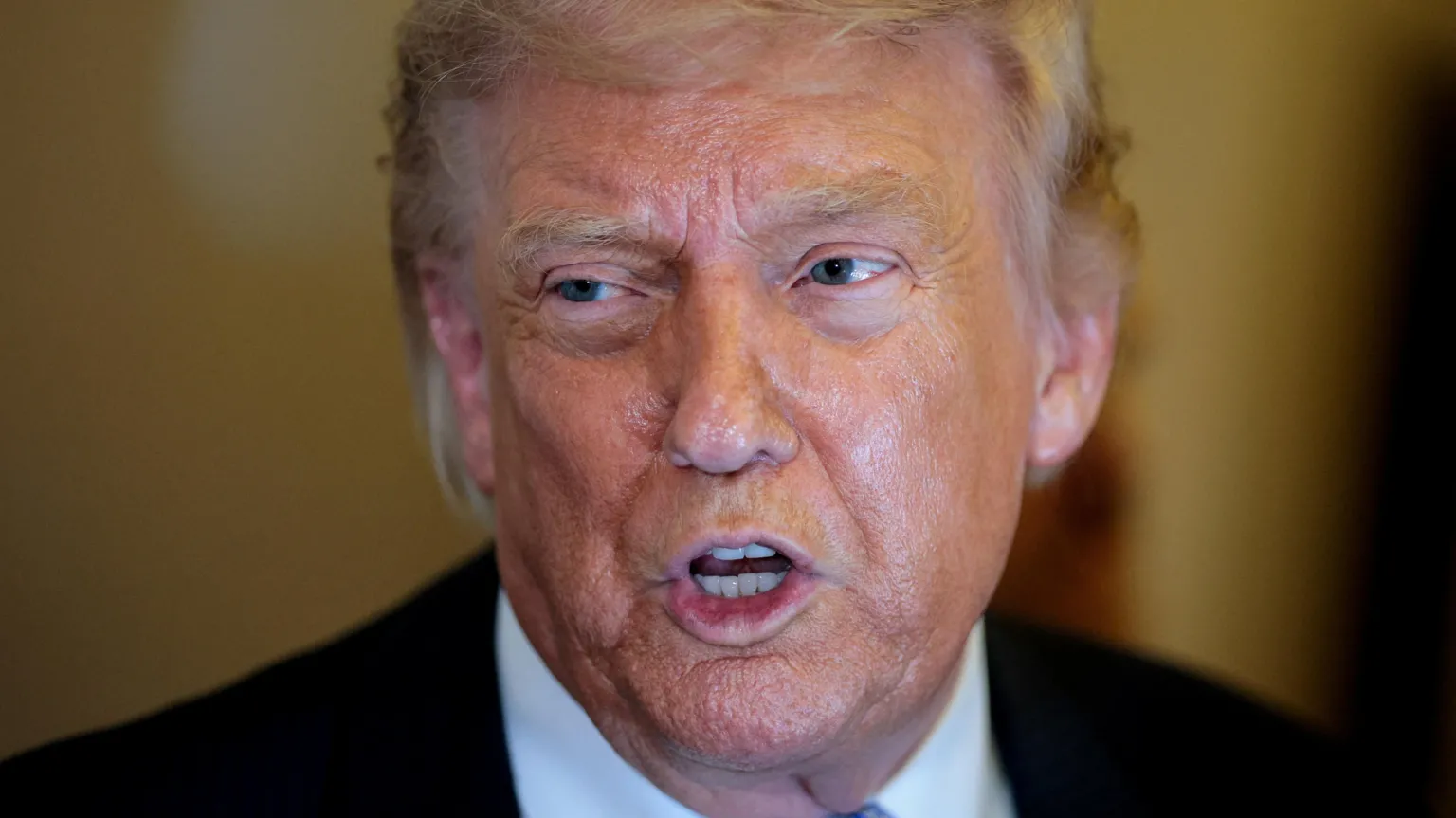
WASHINGTON / TEHRAN — Donald Trump escalated his rhetoric against Iran on Sunday, warning on his Truth Social platform that "the clock is ticking" and threatening the country with wholesale destruction if it fails to conclude a peace agreement with Washington. The post, which declared "They better get moving, FAST, or there won’t be anything left of them," came as a ceasefire between the two sides — in place since April 7 — appeared increasingly precarious, with drone strikes rattling two of America’s closest Gulf partners and diplomatic talks deadlocked.
Iran Ceasefire Collapse — The warning marks a sharp intensification of Trump’s public posture toward Tehran. A previous post on April 7, which critics likened to a call for genocide, preceded a ceasefire agreed within hours. That agreement has since been strained, with both sides accusing each other of violations. On Sunday, Trump also posted an AI-generated image of himself atop a warship bearing the caption "It was the calm before the storm," and was scheduled to speak with Israeli Prime Minister Benjamin Netanyahu later in the day.
Iran’s armed forces spokesman Abolfazl Shakarchi responded defiantly, warning that repeating such threats "will result in nothing but receiving more crushing and severe blows." The country’s Foreign Ministry spokesman, Esmaeil Baghaei, took a more sardonic approach, sharing a clip from The Apprentice, the 2024 biopic chronicling Trump’s early career. The state-affiliated Mehr News Agency issued a statement accusing Washington of offering "no tangible concessions" in its latest proposals and alleging the US is attempting to "obtain concessions that it failed to obtain during the war."
Recommended Reading
![United States President Donald Trump speaks to reporters at the White House in Washington, DC on May 15 [AFP]](https://world-tension.s3.us-east-2.amazonaws.com/articles/1013/19247fcf01724d3ea0b3c5ff63fc4eaa.webp)
The conflict between Israel, the US, and Iran began on February 28, when Israel and the United States launched a joint attack on Iran. Since the April 7 ceasefire, negotiations have stalled over Trump’s core demands: that Iran dismantle its missile arsenal, sever ties with regional allies, and permanently end its nuclear enrichment programme. Tehran has shown no willingness to concede on any of the three points.
A correspondent reporting from Tehran described the Iranian government’s position as one of firm intolerance for violent rhetoric from Washington, adding that "the diplomatic window right now is narrowing." Foreign policy analyst Adam Clements cautioned that Trump’s statements may carry a domestic political dimension, noting it will be critical to observe whether his officials echo the language and whether it is matched by increased military activity on the ground.
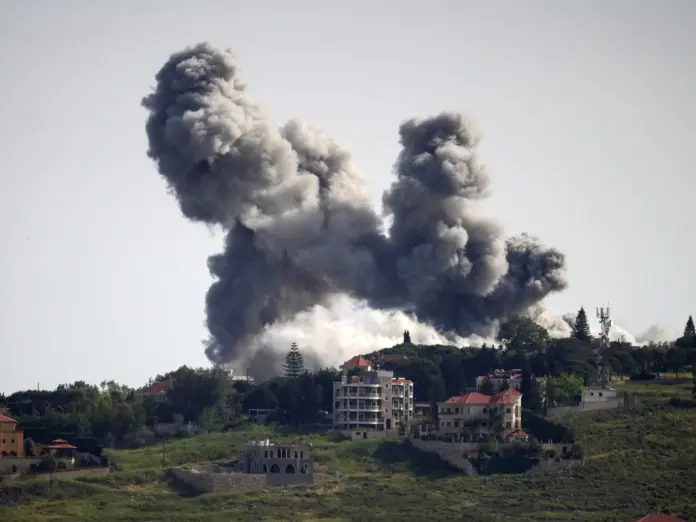
The rhetorical escalation unfolded against a backdrop of fresh violence across the region. Saudi Arabia intercepted three drones and issued a warning of its "right to respond at the right time." In the United Arab Emirates, a drone strike near the Barakah nuclear power plant in Al Dhafra sparked a fire in an electrical generator at the facility — one of the region’s most sensitive pieces of civilian infrastructure. No group immediately claimed responsibility for either attack.
The strikes underscored the vulnerability of Gulf energy infrastructure. Bandar Abbas, a key commercial hub in southern Iran, sits adjacent to the Strait of Hormuz, the chokepoint through which a significant share of the world’s seaborne oil passes. Any further deterioration in the security environment risks disrupting global energy markets.
In a May interview with Fox News, Trump had already warned that Iranian officials would "be blown off the face of the earth" if they attacked US vessels — language that drew condemnation from Tehran and alarm from European capitals. He has also previously threatened to strike Iranian civilian infrastructure, including power plants and bridges.
Iran Ceasefire Collapse: Regional Implications
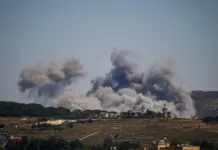
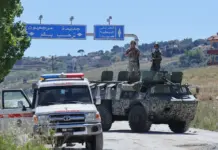
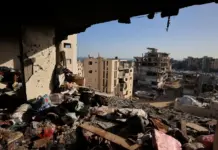
Meanwhile, Israeli military operations continued on multiple fronts. In eastern Baalbek, Lebanon, an Israeli strike killed a Palestinian Islamic Jihad commander along with his 17-year-old daughter. Across Gaza, Israeli forces killed at least eight Palestinians, including three aid workers at a charity kitchen in central Deir el-Balah. A senior Hamas commander, Izz al-Din al-Haddad, was also reported killed. Separately, an Israeli military order extended a domestic law imposing the death penalty for Palestinians accused of deadly attacks to the occupied West Bank.
Diplomatic efforts to contain the broader crisis remain fragmented. Mohammad Bagher Ghalibaf has been appointed as Iran’s special envoy to China, a move that signals Tehran is seeking to consolidate ties with Beijing as Western pressure mounts. Russia’s envoy to international organisations in Vienna, Mikhail Ulyanov, has remained engaged in multilateral discussions, though no breakthrough appears imminent.
Trita Parsi, executive vice president of the Quincy Institute, has previously argued that maximalist US demands leave Iran with little incentive to negotiate, a view that appears increasingly borne out by the current impasse. With both sides trading threats and the ceasefire under strain, the prospect of a return to open conflict looms larger than at any point since April.