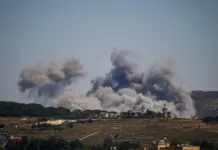
Ukraine Drone Assault Moscow — Ukraine launched its most extensive drone assault on Russian territory in over a year, killing at least four people and injuring dozens as waves of unmanned aircraft struck the Moscow region, Belgorod, and other areas overnight into Sunday. Russia’s Ministry of Defence reported intercepting 556 drones across the country — a figure that underscores the unprecedented scale of the offensive.
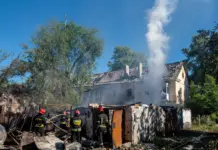
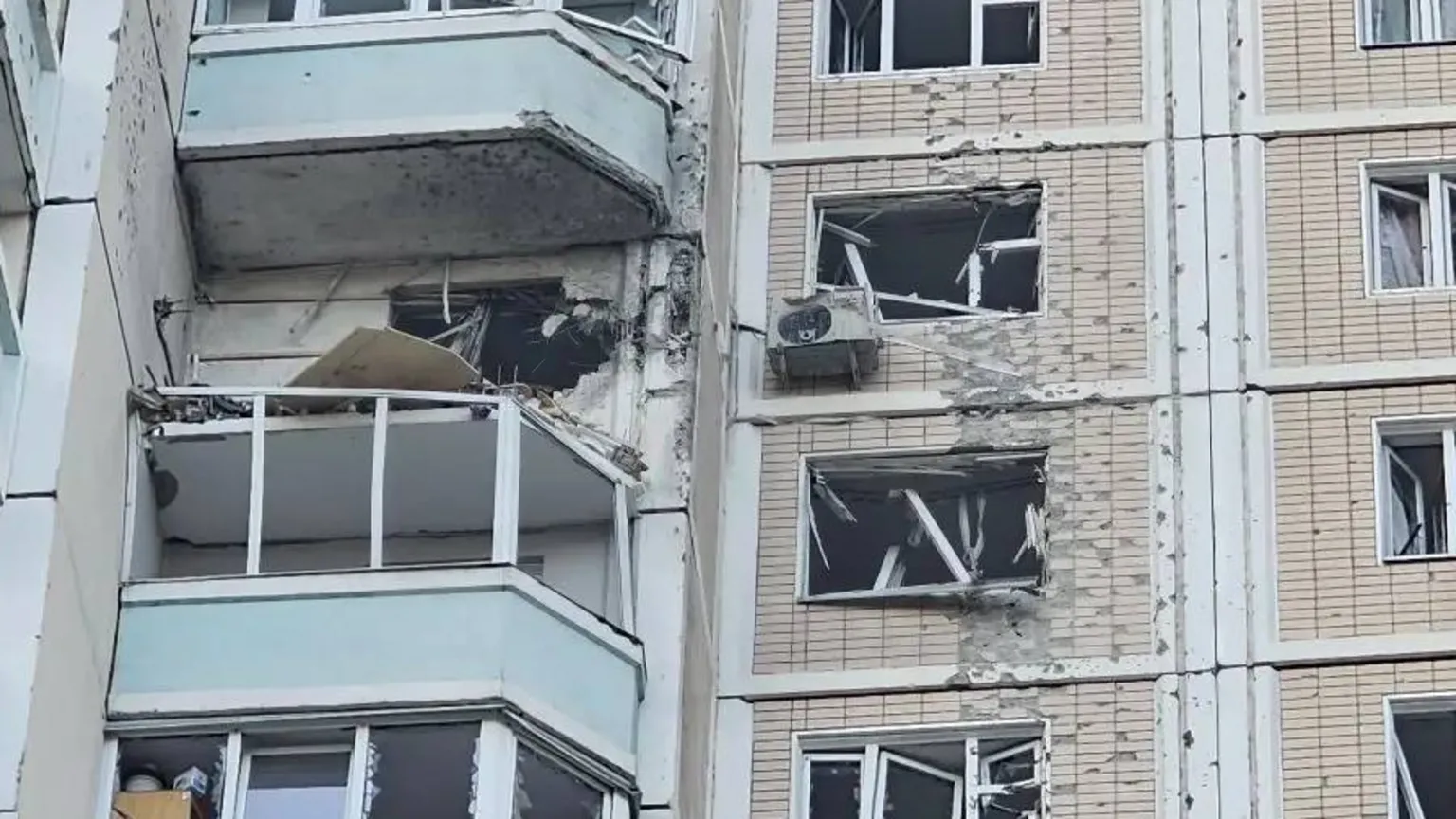
Three people died in the Moscow region alone. A woman was killed when a drone struck a house in Khimki, a city north of the capital, while a man and a woman lost their lives in the village of Pogorelki in the Mytishchi district. Moscow region Governor Andrei Vorobyov confirmed the fatalities and noted that air defence operations began at 3 a.m. local time. Rescue workers continued searching rubble in Khimki for at least one additional possible victim. A fourth fatality was recorded in Belgorod, where Russian authorities reported one person killed.
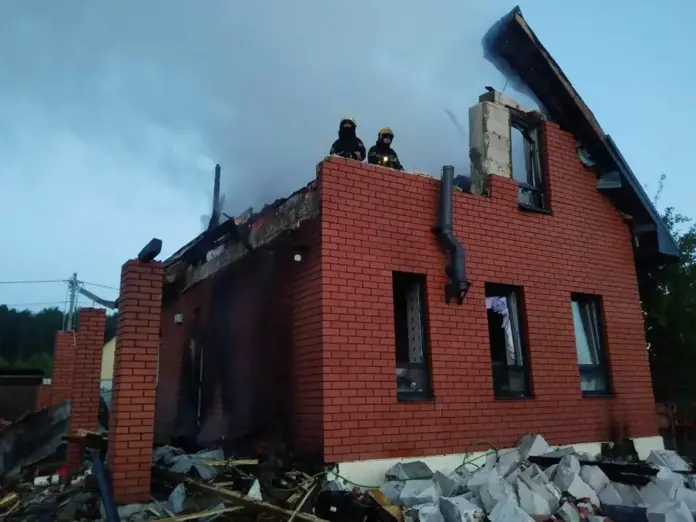
In Moscow itself, Mayor Sergei Sobyanin said 12 people sustained injuries, most of them near the city’s oil refinery after drones struck an entrance to the facility. Despite the attack, the refinery continued operating without disruption. Three homes in the capital were damaged. Separately, four people — three men and a woman — were injured in the broader Moscow region, according to Governor Vorobyov. A private house was also set ablaze in the village of Subbotino, south-west of Moscow.
Recommended Reading
Moscow’s air defence systems shot down 81 drones targeting the capital overnight. Debris from intercepted aircraft fell on the grounds of Sheremetyevo Airport, Moscow’s largest, though airport authorities confirmed no injuries and no operational disruption. Apartment buildings and infrastructure sites across the Moscow region sustained damage from the assault, which Russian officials characterised as the largest drone attack in more than a year.
Ukrainian President Volodymyr Zelensky defended the strikes as an ‘entirely justified’ response to sustained Russian bombardment of Ukrainian cities. He pledged further retaliation for recent attacks on Kyiv and other regions, and said Ukrainian forces destroyed high-value Russian military assets this week, including aircraft, a helicopter, and a cargo ship. Ukraine’s air force reported that Russia had launched 287 drones since late Saturday, of which 279 were shot down or intercepted, with eight direct hits recorded across seven locations.
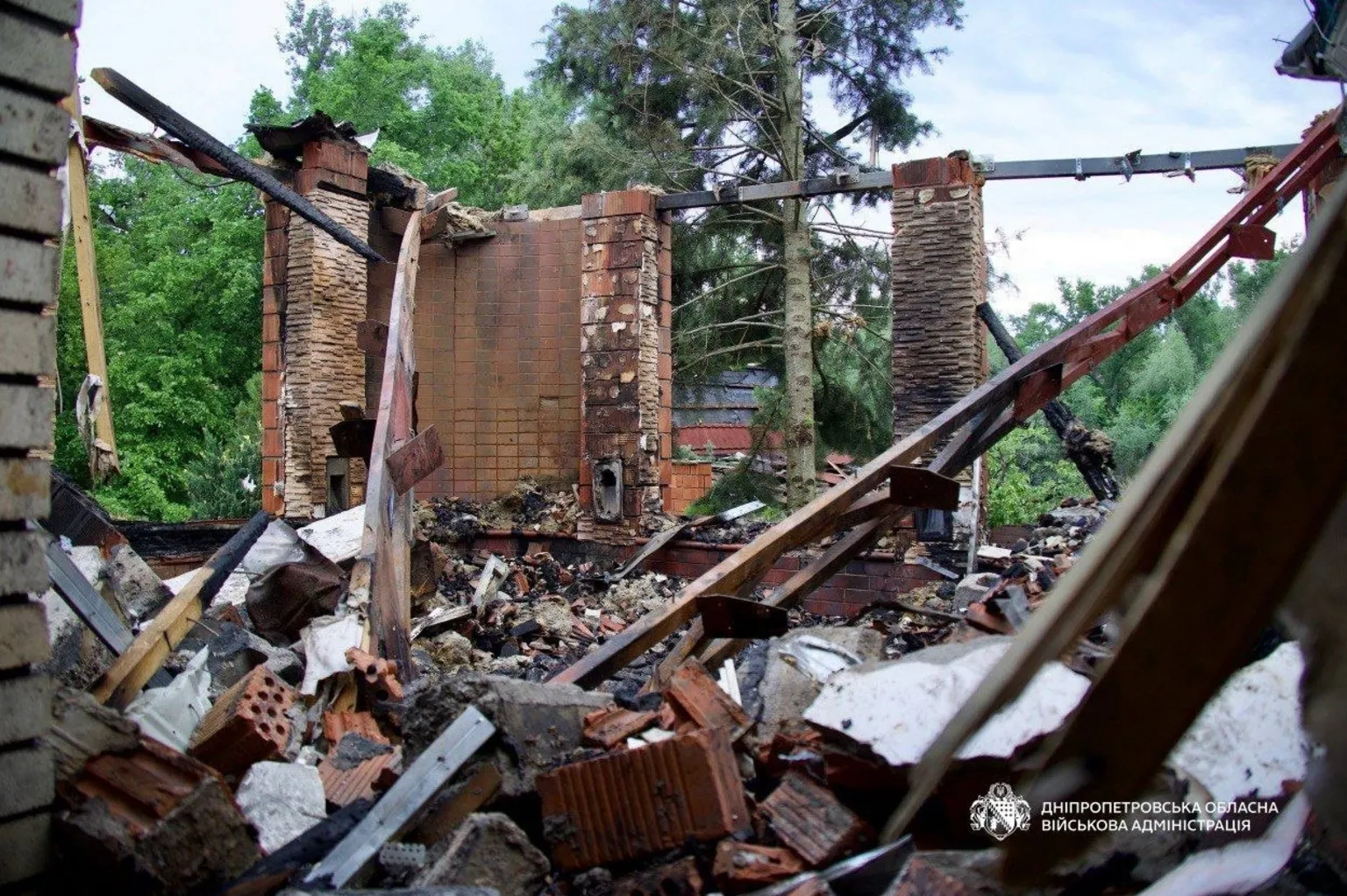
The strikes did not spare Ukrainian territory. Russian forces targeted 15 settlements in the Kharkiv region over the preceding 24 hours, wounding seven people. In the southern Kherson region, a 36-year-old man was killed Saturday morning after a Russian drone dropped explosives on the village of Inhulets. Eight people were injured in overnight Russian drone attacks and shelling across the central Dnipropetrovsk region, including three in the regional capital of Dnipro, where a number of fires were reported. Russia carried out more than 30 drone and shelling attacks across four districts of the region. A woman was also injured in a Russian drone strike in the southern Zaporizhzhia region on Saturday evening.
Ukraine Drone Assault Moscow: The Wider European Impact
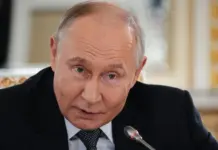
The escalating exchange of long-range strikes comes against a backdrop of cautious diplomatic signalling. U.S. President Donald Trump expressed confidence that Moscow and Kyiv would ‘soon reach a deal’ to end the fighting, while Russian President Vladimir Putin has similarly suggested the conflict may be approaching its conclusion. Whether those signals translate into meaningful negotiations remains uncertain as both sides continue to inflict casualties on each other’s territory.
Russia has controlled approximately 20 percent of Ukrainian territory since launching its full-scale invasion in February 2022. Ukraine’s military has intensified strikes on key Russian energy facilities in recent months, targeting infrastructure it views as central to sustaining Moscow’s war effort. The overnight assault represents the sharpest escalation of that campaign to date.