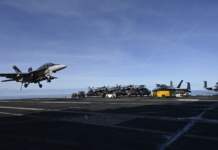
Pentagon Iran War Cost — The financial toll of the United States-Israeli war against Iran has climbed to $29 billion, Pentagon comptroller Jules Hurst disclosed during a Senate committee hearing on Tuesday — a significant jump from the $25 billion figure the Trump administration first acknowledged in late April.
Hurst attributed the revised estimate to updated calculations covering equipment repair and replacement, as well as broader operational costs accumulated since the campaign began. The earlier $25 billion figure had marked the first official cost accounting offered by the administration since the US and Israel launched coordinated strikes on February 28.
Defense Secretary Pete Hegseth also appeared before lawmakers, separately addressing the House Appropriations subcommittee, where he pushed back against concerns over military readiness. Hegseth insisted that warnings about depleted munitions stockpiles had been overstated and that the Pentagon maintained sufficient supplies. He added that contingency plans were in place to escalate, de-escalate, or reposition assets depending on how the conflict evolves.
Recommended Reading
The military campaign has been in a general pause since April 8, punctuated by only a handful of isolated flare-ups. Yet the diplomatic landscape remains volatile. President Donald Trump rejected a fresh ceasefire proposal from Tehran, describing the current lull in hostilities as being "on life support" and "unbelievably weak." Whether the administration will move to resume full-scale operations — particularly amid an ongoing standoff over the Strait of Hormuz — remains unresolved.
The war has grown increasingly unpopular domestically, with political analysts warning it could damage Republican prospects in the November midterm elections. The financial burden is compounding those concerns. The Pentagon has submitted a historic funding request of $1.5 trillion, and the rising Iran war costs are drawing scrutiny from both parties on Capitol Hill.
Adding to the administration’s strategic calculus, Chairman of the Joint Chiefs of Staff Dan Caine reaffirmed that countering China‘s growing regional and global influence remains the Pentagon’s foremost long-term priority. Trump was scheduled to visit China during the week of the hearing, a trip that underscores the delicate balancing act Washington faces in managing simultaneous confrontations across multiple theatres.
Pentagon Iran War Cost: Regional Implications
The economic consequences of the conflict are also registering in domestic data. The US Labor Department reported that the consumer price index rose 3.8 percent year-on-year through April 2025 — the steepest annual increase since 2023. On a monthly basis, prices climbed 0.6 percent from March to April, with gasoline prices surging 5.4 percent over the same period, a rise widely linked to tensions affecting global energy markets.
The $4 billion increase in the Pentagon’s war cost estimate within just weeks signals that the financial burden of the campaign is still being fully tallied. With fighting paused but far from concluded, and with Trump signalling impatience with the current standoff, the trajectory of both the conflict and its price tag remains deeply uncertain.