BEIRUT/WASHINGTON/TEHRAN — Fragile diplomacy and fresh military escalation collided on Wednesday as the United States pressed Iran toward a sweeping nuclear agreement, Israel launched its first strike on Beirut since a ceasefire took hold last month, and tankers continued to test a contested naval blockade choking the world’s most critical oil corridor.
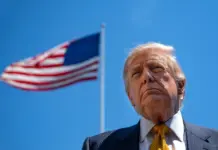
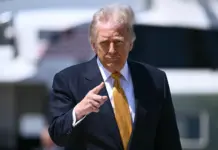
Iran Nuclear Deal Talks — President Donald Trump declared he had held "very good talks with Iran in the last 24 hours," expressing optimism that "it’s very possible we’ll make a deal." The White House believes it is closing in on a one-page, 14-point memorandum of understanding with Tehran, a framework being negotiated through Pakistani intermediaries. The proposed document covers the suspension of Iranian nuclear enrichment, the lifting of US sanctions, and the restoration of free transit through the Strait of Hormuz.
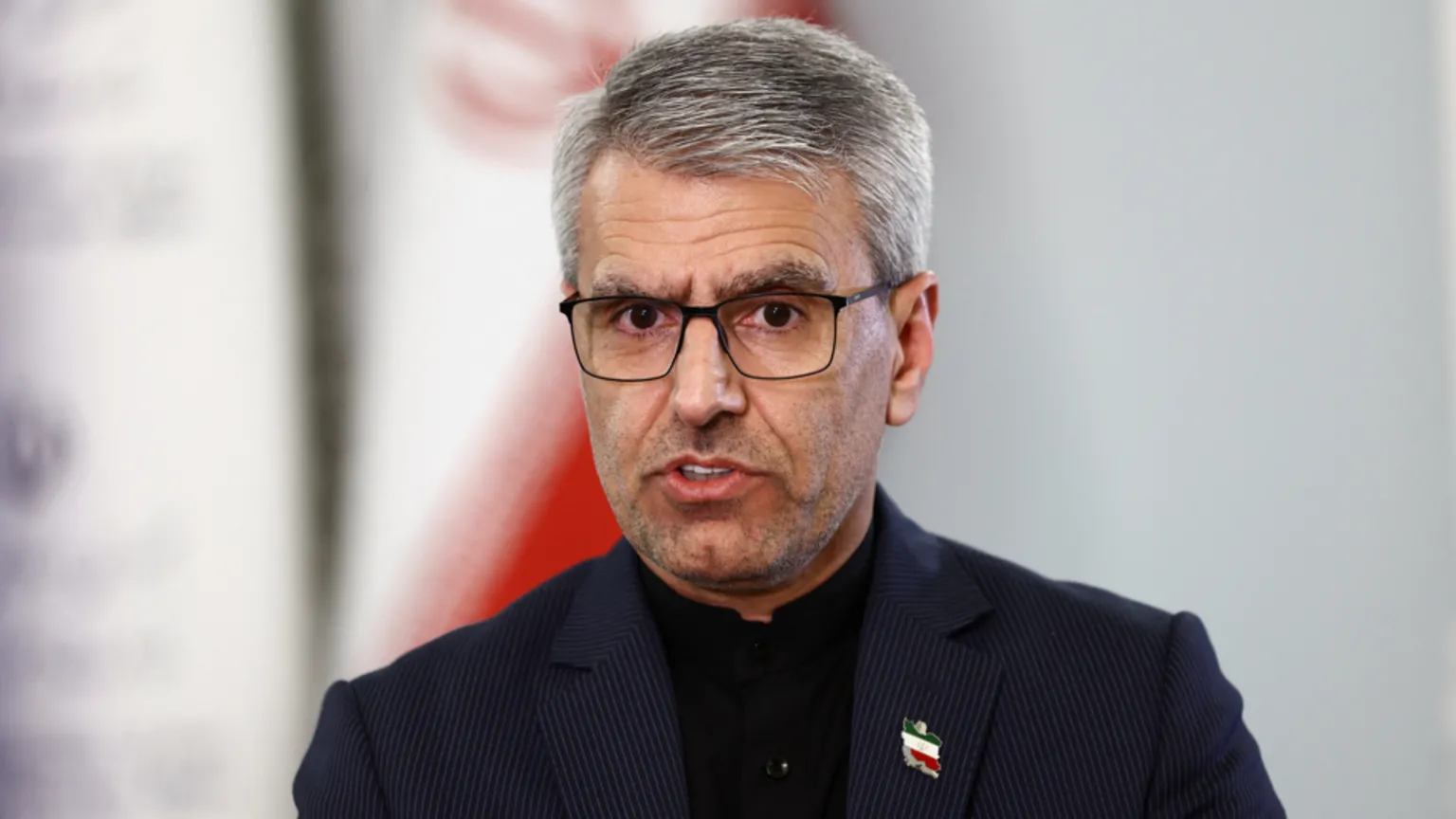
Iran’s response, however, remained guarded. Foreign Ministry spokesman Esmaeil Baghaei confirmed the American proposal is still "under review," while Tehran said it would convey its formal position to mediator Pakistan after "finalising its views." Ebrahim Rezaei, spokesman for Iran’s parliamentary national security commission, was more dismissive, calling the proposal a "wish list." Iran’s parliament speaker, Mohammad Bagher Ghalibaf, mocked US military strategy on social media, labelling it "Operation Trust Me Bro."
Recommended Reading
Iran is holding firm on two core demands: its nuclear enrichment programme is non-negotiable, and its existing stockpile of highly enriched uranium will not leave the country. Former US Assistant Secretary of State Mark Kimmitt acknowledged that Trump’s demand for zero enrichment is unrealistic, noting that even the 2015 JCPOA permitted Iran to continue enriching uranium. Pakistan’s foreign minister struck a more hopeful tone, saying Islamabad was "endeavouring to convert this ceasefire into a permanent end to this war."
Trump left little ambiguity about the consequences of failure. "If Iran doesn’t agree," he warned, "the bombing starts, and it will be, sadly, at a much higher level and intensity than it was before." He told party supporters the Iran war "will be over quickly," while US Secretary of State Marco Rubio confirmed that Operation Epic Fury had concluded after achieving its stated objectives. Trump also announced a pause to Project Freedom, an initiative designed to guide stranded vessels through the Strait of Hormuz, which has been effectively blockaded by Iran since US and Israeli strikes began in late February.
The strategic stakes around the strait are enormous. Roughly 20 percent of the world’s oil and liquefied natural gas normally transits the waterway. Iran has now imposed new protocols requiring vessels to coordinate with the IRGC Navy and obtain transit permits. German shipping giant Hapag-Lloyd disclosed the closure is costing it approximately $60 million per week in fuel and insurance expenses alone. US West Texas Intermediate crude futures climbed to $95.88 a barrel by late Wednesday, having touched a session high of $96.33 earlier in the day.
The blockade showed signs of strain on both sides. At least two US-sanctioned oil tankers breached the perimeter of the American naval cordon in the Gulf region, and the VINA/VALLEY tanker — which routinely delivers Iranian liquefied petroleum gas to Houthi forces in Yemen — entered the blockade zone on Wednesday. US Central Command separately shot at and disabled an Iranian-flagged tanker in the Gulf of Oman after it attempted to break through the blockade. A French aircraft carrier strike group is meanwhile en route to the southern Red Sea in advance of a potential deployment to the Strait of Hormuz.
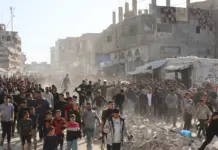
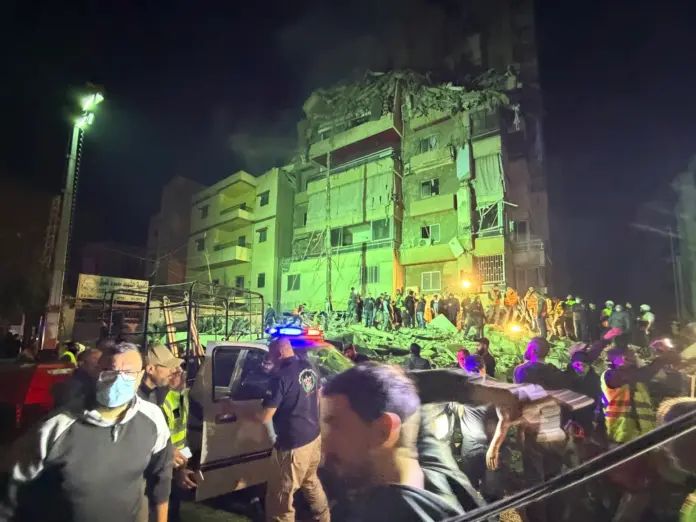
On the ground in Lebanon, Israeli forces killed at least 13 people in strikes across the country on Wednesday. The Israeli military struck Beirut — the first attack on the Lebanese capital since a ceasefire entered into force on April 17 — claiming to target a senior Hezbollah commander. A separate overnight strike hit the town of Erzi in the Sidon district of southern Lebanon. Four Israeli soldiers were wounded in an explosive drone attack in southern Lebanon, one of them severely. The United Nations called on Israel to release two members of a Gaza aid flotilla seized in international waters and held without charge.
Iran Nuclear Deal Talks: Regional Implications
Disturbing images also emerged from the Lebanese town of Debel, where a photograph showed an Israeli soldier pressing a lit cigarette to the mouth of a statue of the Virgin Mary. Israeli soldiers destroyed a statue of Jesus Christ with a sledgehammer in the same town last month.
In Gaza, Hamas condemned ongoing Israeli attacks as a "blatant violation of the ceasefire agreement." An Egyptian diplomat indicated that any resolution of the Iranian nuclear question would directly shape the trajectory of Gaza negotiations, underscoring how tightly the region’s multiple crises are now intertwined.
Markets reacted sharply to the diplomatic signals. Japan’s Nikkei 225 surged 4.1 percent to 61,937.78 points on reports of a potential US-Iran breakthrough. In a parallel development, China’s financial regulator advised the country’s largest lenders to temporarily suspend new loans to five oil refineries recently sanctioned by Washington over alleged ties to Iranian crude. Trump is scheduled to visit China next week, adding another layer of complexity to an already volatile diplomatic landscape.
Israeli Prime Minister Benjamin Netanyahu said there is "full coordination" between himself and Trump on Iran policy, even as the two allies navigate divergent timelines — Washington pressing for a negotiated settlement, Jerusalem continuing to strike targets across the region. ASEAN leaders gathering in the Philippines on Thursday and Friday face what officials are calling a "stress test decade," with the Iran conflict’s economic and security ripple effects now reaching deep into the Asia-Pacific.