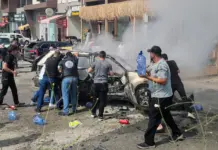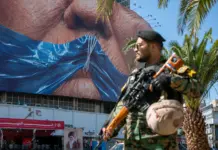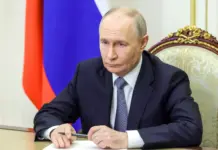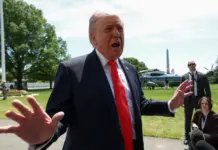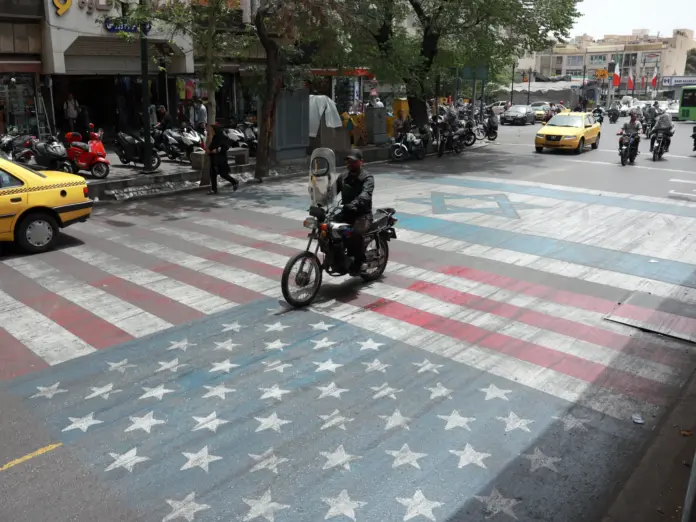
Iran Wartime Crackdown — Iran has launched one of its most sweeping security crackdowns in decades, executing dozens of people, arresting thousands, and seizing assets from citizens accused of collaborating with foreign enemies — all since the country entered a state of war with the United States and Israel on February 28.
The United Nations confirmed that at least 21 people have been executed on national security-related charges since hostilities began, while more than 4,000 individuals have been detained on similar grounds. Human rights organisations operating outside Iran describe the scale of hangings in 2025 and 2026 as the highest recorded since 1989, with at least 1,639 executions documented in 2025 alone — a figure 68 percent higher than the previous year.
Among the most recent cases, three men arrested in Mashhad during nationwide protests in January were executed after authorities labelled them agents of the Israeli intelligence service Mossad. The men were accused of wielding knives and swords against Basij paramilitary forces. Separately, two other individuals were hanged for allegedly transmitting images of military installations to Mossad.
Recommended Reading
In Isfahan, Sasan Azadvar, a 21-year-old, was put to death on charges of "cooperation with the enemy." Authorities alleged he attacked a minibus transporting security personnel using stones and a club. His case drew particular attention given his age and the nature of the accusations levelled against him.
Multiple members of the Mojahedin-e Khalq (MEK) — an organisation Iranian authorities designate as a terrorist group — have also been executed in recent weeks, adding to the mounting toll. Iran's judiciary chief, Gholam-Hossein Mohseni-Ejei, has pledged "decisive" legal action against anyone found to be acting in foreign interests, framing the executions and arrests as a necessary wartime measure.
The government maintains that all judicial proceedings related to protest-era arrests are lawful and have received approval from Supreme Court judges. Human rights groups, however, contend that defendants are denied fair trials and that families of the condemned are pressured into silence — allegations the authorities reject.
The crackdown extends beyond the courts. In Semnan province, authorities seized the assets of 22 individuals accused of being "traitors to the nation" with alleged ties to Israel and other hostile states. Senior officials, including top figures in the Islamic Republic, have characterised the January protests as a coup attempt orchestrated by Washington and Tel Aviv.
The wartime atmosphere is compounding an already severe economic crisis. A US-imposed naval blockade on Iran has disrupted trade, and prices have surged sharply this week across categories including food, medicine, automobiles, and electronic devices. Central Bank of Iran chief Abdolnasser Hemmati attributed the price spiral directly to war-related disruption and intensified sanctions.
Iran Wartime Crackdown: Regional Implications
In response to the economic turmoil, Mohseni-Ejei warned merchants and suppliers that hoarding goods, price gouging, or selling expired products would be met with prison sentences of up to 20 years, as well as lashings and fines. The threat signals the government's determination to maintain domestic order on multiple fronts simultaneously.
The January protests that preceded the war drew mass participation across Iran and were described by senior officials as an existential challenge to the state. The government's response — arrests, asset seizures, and executions — mirrors the pattern seen after the 2022 unrest, but analysts note the current crackdown is unfolding against the far more volatile backdrop of open armed conflict.
With the United Nations raising alarms over due process and the volume of executions, international pressure on Tehran is mounting. Yet with a naval blockade in place and diplomatic channels severely strained, the prospects for outside intervention in Iran's domestic judicial conduct remain limited. For now, the Islamic Republic appears committed to prosecuting the war abroad and the crackdown at home with equal intensity.