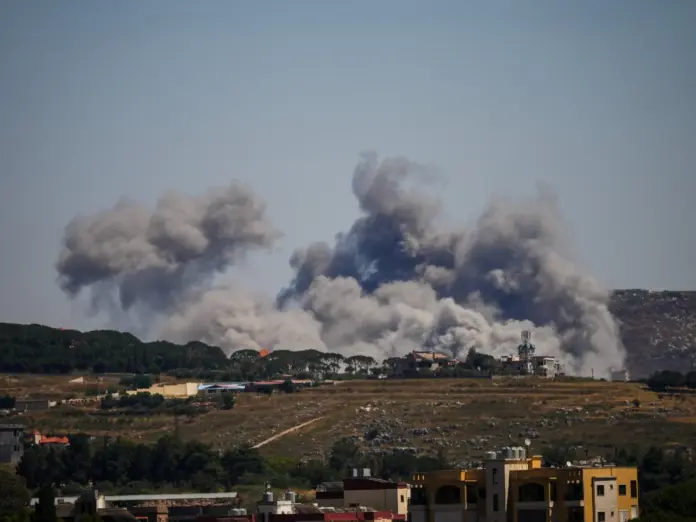
Israel Lebanon Ceasefire — A ceasefire brokered by Washington between Israeli and Lebanese officials collapsed almost immediately after its announcement on Wednesday, with Israeli warplanes and artillery continuing to pound southern Lebanon and the western Bekaa Valley on Thursday while Hezbollah chief Naim Qassem dismissed the agreement in withering terms, calling it a "farce" and a "roadmap to annihilate part of the Lebanese people."
Qassem rejected the limited truce that Lebanese and Israeli representatives had agreed to in Washington, DC, demanding instead a complete ceasefire and a full Israeli military withdrawal from Lebanese territory. He warned that northern Israel would remain a target for as long as Israeli forces continued their bombing campaign. The Hezbollah leader’s denunciation rendered the agreement effectively dead on arrival, underscoring the fragility of any diplomatic framework that excludes the armed group directly engaged in the fighting.
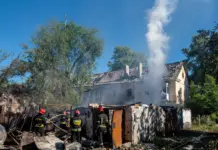
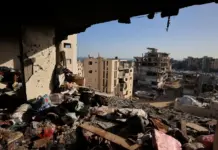
Lebanon’s Ministry of Public Health reported that at least 3,526 people have been killed and 10,733 wounded in Israeli strikes since March 2. The toll reflects nearly three months of relentless bombardment across the country’s south and east. Israeli warplanes launched four missiles that struck near the Jabal Amel Hospital in the city of Tyre on Thursday, compounding damage from an earlier Israeli attack across the road from the same facility that killed four people and caused severe structural harm to hospital buildings. Artillery shelling was also reported in the town of Deir Amas in the Tyre district.
Recommended Reading
The Israeli military acknowledged that 63 officers and soldiers were wounded in fighting in southern Lebanon over the past four days, and confirmed that one soldier was killed by a Hezbollah missile. Hezbollah fighters launched multiple attacks on Israeli positions inside Lebanese territory, targeting military posts in the southern towns of Yohmor al-Shaqif, Rashaf, al-Qantara and Khiam. The group claimed to have fired artillery barrages, large rocket salvos and drone strikes against Israeli command posts and troop concentrations near Beaufort Castle, and said it had destroyed several Israeli Merkava tanks.
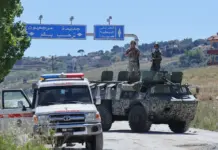
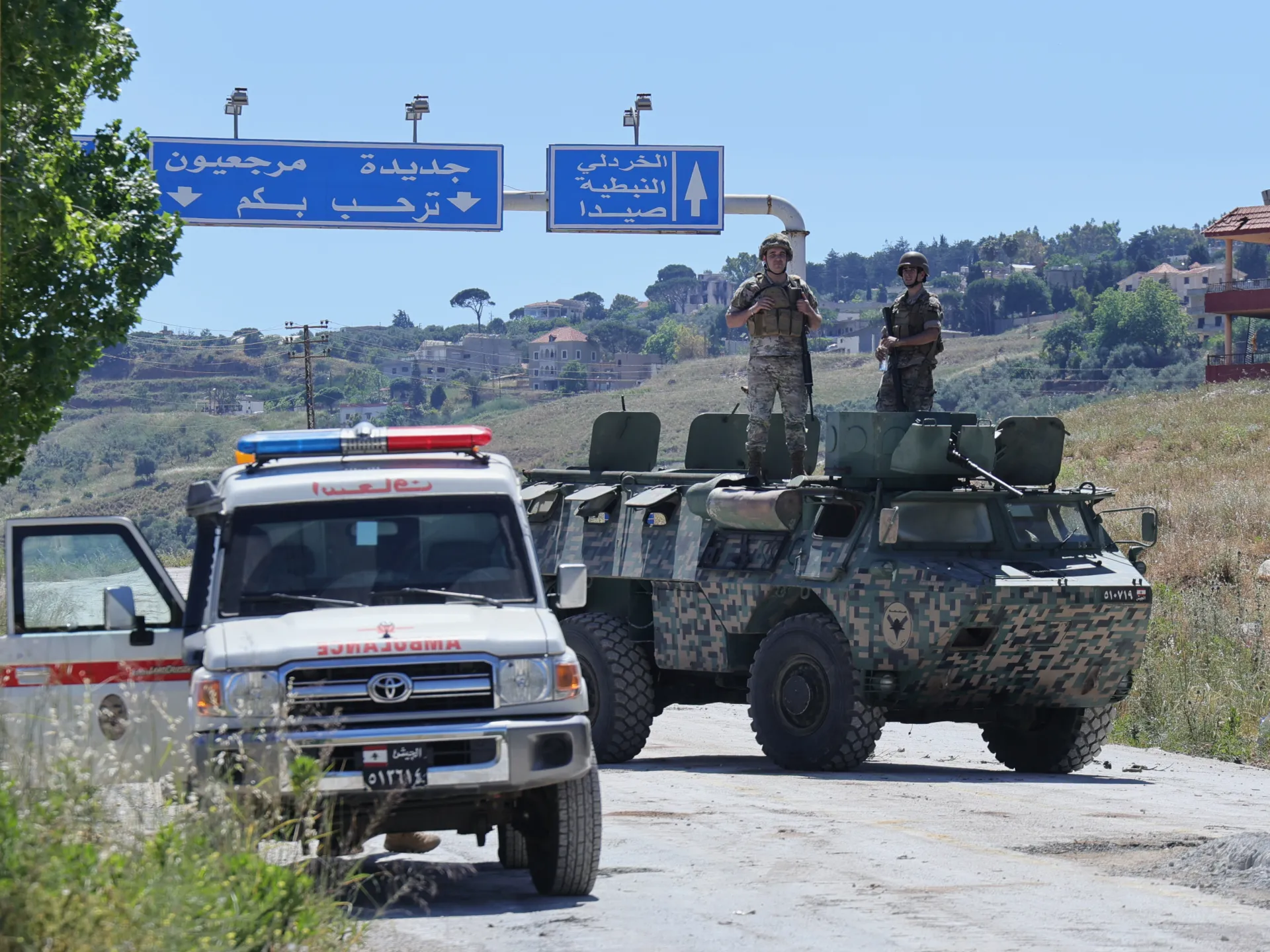
In a sign of cautious Lebanese state engagement, Lebanese Army units entered the southern village of Dibbine after Israeli forces withdrew from the area. Prime Minister Nawaf Salam defended the ceasefire negotiations, arguing that diplomacy remains the least costly path available to Lebanon. Both Israel and Lebanon have blamed each other for violating a previous ceasefire announced in April, and mutual recriminations have deepened distrust on all sides.
The conflict’s regional dimensions grew more complex on Thursday following an explosion at Oman’s Mina al-Fahal crude oil terminal, which forced the suspension of loading operations. The blast occurred near single-buoy mooring berths between SBM 1 and SBM 2, and unnamed sources indicated it was caused by a drone attack. No group immediately claimed responsibility, but the incident heightened concerns about the vulnerability of Gulf energy infrastructure amid the broader regional crisis.
Diplomatic efforts involving Iran also showed signs of strain. Mohsen Rezaei, an adviser to Iran’s Supreme Leader Mojtaba Khamenei, said a draft memorandum of understanding under discussion contained "ambiguities" requiring clarification, and accused President Donald Trump of attempting to pressure Tehran into accepting Washington’s terms. Trump, for his part, claimed US military action had "obliterated" Iran’s nuclear programme and asserted that Washington could retrieve Iran’s enriched uranium stockpiles immediately, though he added there was "no reason to" do so at present. He noted the operation would require weeks and "massive equipment." Trump also said he had no plans to meet Khamenei, though he left open the possibility of such a meeting if a deal were eventually reached.
On the ground in the occupied West Bank, Israeli forces killed an 18-year-old Palestinian, Haitham Izz al-Din Omar Hamida, during a raid on the village of Beitin, east of Ramallah. Troops fired live ammunition, stun grenades and deployed toxic gas canisters during the operation. Israeli forces subsequently withheld the teenager’s body from his family. Separately, Israeli strikes on Gaza over the preceding 24 hours killed at least 11 Palestinians and wounded 32 others.
Israel Lebanon Ceasefire: Regional Implications
A United Nations investigation was opened into an attack that killed one UNIFIL peacekeeper and injured two others in southern Lebanon, adding to international pressure over the conduct of the conflict.
Inside Israel, domestic tensions flared when hundreds of ultra-Orthodox Jews blocked Highway 1 in protest against the enforcement of military conscription laws for religious students. The demonstration was triggered after police stopped two ultra-Orthodox students and transferred one to military authorities. Large numbers of police and border guards were deployed to clear the highway and disperse the crowd.
In Washington, a US congressional panel rejected an amendment introduced by Democratic Congressman Ro Khanna that sought to repeal Section 224 of the National Defense Authorization Act, a provision designed to further integrate the US and Israeli militaries. The amendment failed in a voice vote in the House Armed Services Committee on Thursday, signalling continued legislative support for deep defence ties between the two countries even as the conflict’s human cost mounts.
Israel’s Supreme Court issued a separate ruling annulling a government ban on the International Committee of the Red Cross visiting Palestinian prisoners held in Israeli jails, a decision likely to draw scrutiny from human rights organisations monitoring detention conditions during the conflict.