Iran-Us Nuclear Talks — A stark diplomatic contradiction has emerged at the heart of the Iran-United States nuclear standoff: while President Donald Trump declared talks are going "very well" and predicted a deal "could happen over the weekend," Iranian Foreign Minister Abbas Araghchi flatly stated that no progress has been made. Araghchi did acknowledge that channels of communication between the two countries remain open, offering a sliver of diplomatic continuity even as the broader crisis deepened.
The disconnect came as the region absorbed a fresh wave of violence. Iranian missile and drone strikes on Wednesday struck Kuwait, killing one person, injuring more than 60, and damaging the country’s international airport — a significant escalation that drew immediate international attention. Trump, meanwhile, pledged that the Strait of Hormuz would be reopened "immediately upon signing" a memorandum of understanding with Tehran, underscoring the economic stakes of a conflict that has already prompted the United States to redirect 125 commercial vessels since launching a naval blockade of Iranian ports in mid-April.
On Capitol Hill, the US House of Representatives delivered a pointed rebuke to the administration, voting 215 to 208 in favour of a Democratic-led War Powers Resolution to halt American military operations against Iran. Four Republicans crossed party lines to support the measure, reflecting growing unease within Congress over the trajectory of US engagement. Trump has privately told aides he would consider ending the ceasefire with Iran if American troops are killed, a threshold that underscores how fragile the current pause in direct hostilities remains.
Recommended Reading
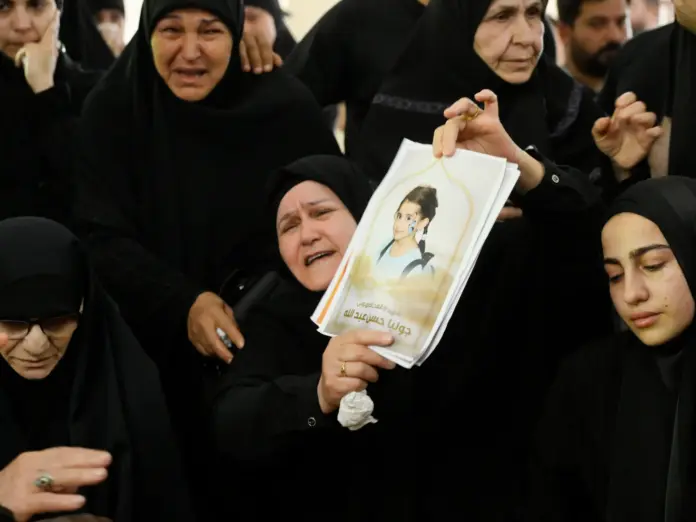
In Lebanon, the violence showed no sign of abating. Israeli strikes on Wednesday killed at least nine people, with attacks targeting at least ten vehicles — including an ambulance that killed two Lebanese paramedics. Hezbollah reported launching 17 separate attacks against Israeli forces in southern Lebanon, including strikes around Beaufort Castle that hit two Merkava tanks. Lebanon’s Health Ministry reports that 3,516 people have been killed by Israeli attacks on the country since March, a toll that has drawn sustained international condemnation.
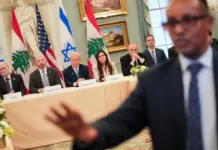
Against this backdrop, US-brokered Lebanon-Israel talks continued in Washington, DC. The State Department issued a statement asserting that Israel and Lebanon had agreed to implement a ceasefire — an arrangement originally agreed in May as a 45-day extension to an already existing truce. The agreement is contingent on a complete cessation of Hezbollah fire and the evacuation of Hezbollah operatives from south of the Litani sector. Under the framework, pilot zones would be established where Lebanese armed forces assume exclusive control, excluding non-state actors.
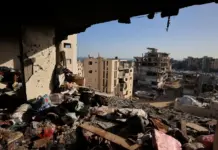
In Gaza, four simultaneous Israeli air strikes hit Gaza City on Wednesday. An Israeli strike on a residential apartment building killed at least eight people, according to sources at al-Shifa Hospital — a figure that rose from an initial count of six as rescue operations continued.
Iran-Us Nuclear Talks: Regional Implications
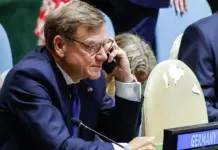
At the United Nations, a separate geopolitical drama unfolded as member states elected new rotating members to the Security Council. Portugal secured 134 votes and Austria 131, claiming the two European seats. Germany, which received only 104 votes, fell short in a result that Foreign Minister Johann Wadephul attributed in part to Berlin’s staunch support for Israel. Kyrgyzstan defeated the Philippines 143 to 49 for the Asian seat, while Zimbabwe and Trinidad and Tobago were elected uncontested for the African and Caribbean seats respectively. The new members will begin two-year terms at the start of 2027.
The overlapping crises — a stalled nuclear negotiation, active military exchanges across multiple fronts, a fragile Lebanon ceasefire, and a congressional challenge to executive war powers — paint a picture of a Middle East in which diplomatic momentum and battlefield reality remain deeply misaligned. Whether Trump’s optimism about a weekend deal with Tehran reflects genuine back-channel progress or wishful signalling may become clear within days. What is already clear is that the human cost of the region’s interlocking conflicts continues to mount.