Iran Hormuz Crisis — The United States and Israel went to war with Iran on February 28, 2024, launching a conflict that has since closed the world’s most critical oil chokepoint, destabilised the Gulf Arab states, and raised the spectre of a global economic crisis with no clear end in sight.
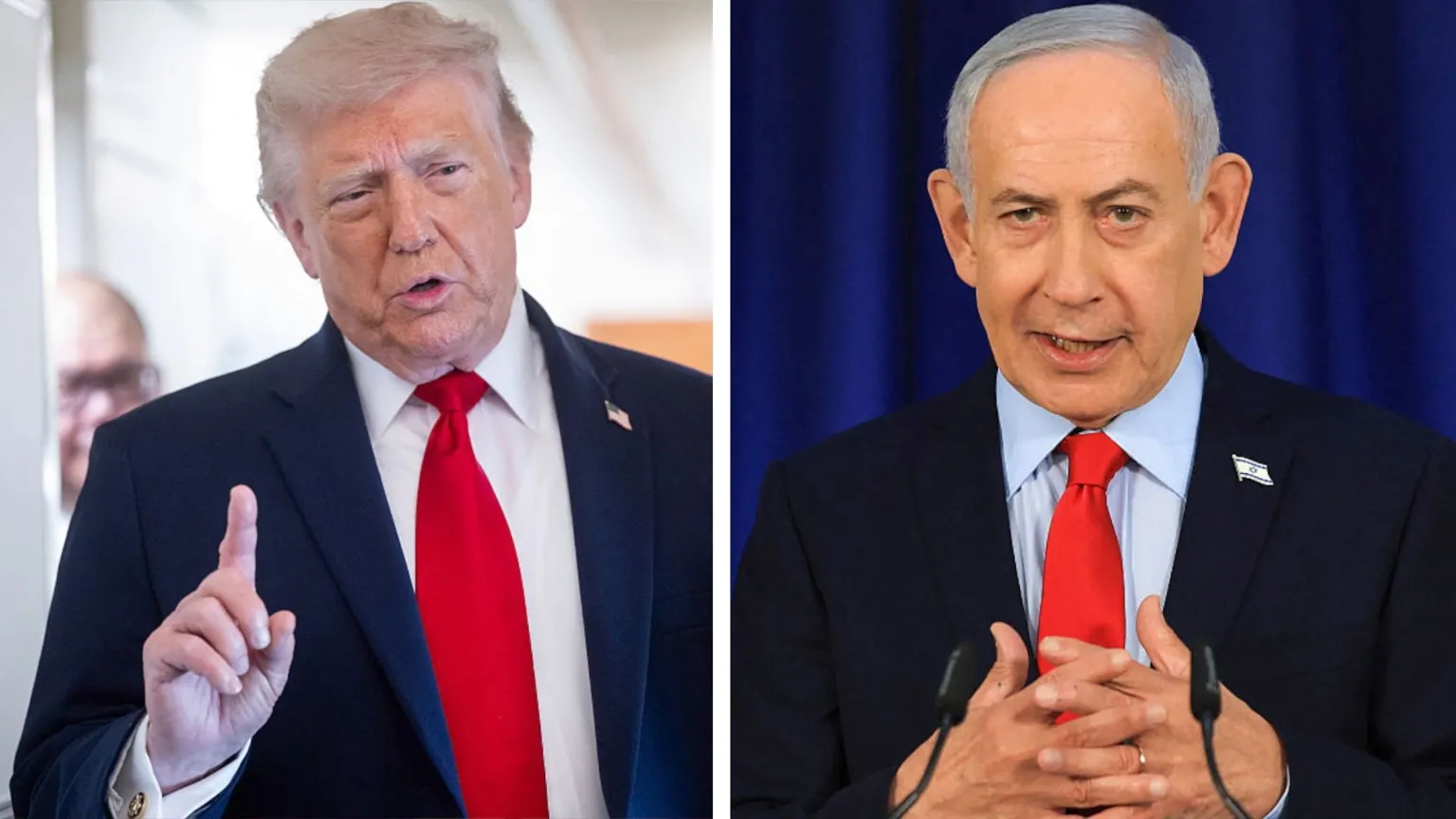
Donald Trump delivered his war declaration in the early morning hours from Mar-a-Lago, his Florida resort, while Benjamin Netanyahu addressed the Israeli public from the rooftop of the Kyria — Israel’s defence ministry compound in central Tel Aviv. Both leaders cast the campaign as a historic turning point. Together, they believed that defeating Iran would fundamentally reshape the Middle East, a conviction Netanyahu has held throughout his political career, arguing for decades that Tehran represents the existential threat to Israel above all others.
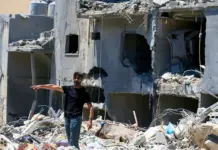
The road to open war was paved by a cascade of regional crises. Following Hamas‘s devastating assault on Israel on October 7, 2023, the Israeli military launched sustained strikes against Hamas in Gaza and against Hezbollah in Lebanon — the Iranian-backed militia that Tehran has cultivated since the 1980s. Bashar al-Assad was deposed as president of Syria and fled to Moscow. In January, the Iranian regime killed thousands of its own citizens during mass demonstrations against its rule, further eroding its domestic legitimacy even as it escalated externally.
Recommended Reading
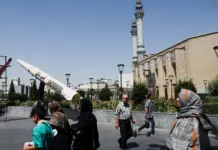
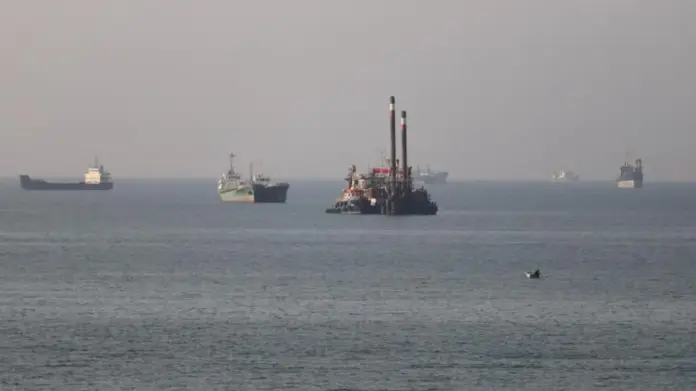
The conflict’s most consequential development came in March, when Iran closed the Strait of Hormuz and launched attacks against its Gulf Arab neighbours, including the UAE and Bahrain — both close allies of Washington and Tel Aviv. The closure sent shockwaves through global energy markets. Economists and international bodies have issued dire warnings that if the strait remains shut through June, the consequences for the world economy could be catastrophic. As of now, it remains closed.
Iran also struck back militarily at American forces, downing a US Apache helicopter during the fighting. The crew survived, but the incident underscored the real costs of a direct confrontation with a nation that has withstood external pressure for nearly five decades.
Tensions within the US-Israel alliance have also surfaced. Netanyahu had planned a major strike on Beirut — scheduled for a Monday — but Trump intervened and ordered him to cancel, telling the Israeli prime minister that a deal with Iran was within reach. Netanyahu publicly pushed back, declaring that any linkage between the Lebanon front and the Gulf situation was "intolerable and completely unacceptable." Despite cancelling the Beirut operation, Israeli forces have continued to strike southern Lebanon heavily in the days since.
American military operations have extended well beyond the Iranian theatre. US forces abducted the president of Venezuela and his wife, transferring them to detention in New York — a dramatic extraterritorial action that has drawn international condemnation and further stretched Washington’s geopolitical exposure.
Iran Hormuz Crisis: Regional Implications
At home, the war is proving deeply unpopular. Trump was loudly booed by a New York crowd when he attended the NBA Finals, an event that required tight security measures. Public opposition to the conflict is growing, adding political pressure on an administration already navigating a complex multi-front strategy.
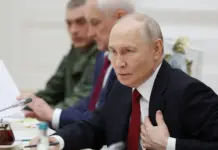
Trump has indicated he wants to negotiate directly with Tehran to reopen the Strait of Hormuz, framing a potential deal as both an economic and strategic victory. But the path to any agreement remains unclear. Iran’s leadership, despite facing internal collapse and military setbacks, has shown a historical capacity to absorb punishment and outlast adversaries. The regime has survived threats, sanctions, and proxy conflicts for nearly 50 years.
For Netanyahu, the war represents the culmination of a lifelong political argument — that Iran, not the Palestinians, is Israel’s primary enemy, and that only decisive force can neutralise that threat. Whether the current campaign delivers the regional transformation both leaders envisioned, or instead produces a prolonged and costly stalemate, may depend on whether Trump can close the diplomatic gap before the global economy reaches a breaking point.