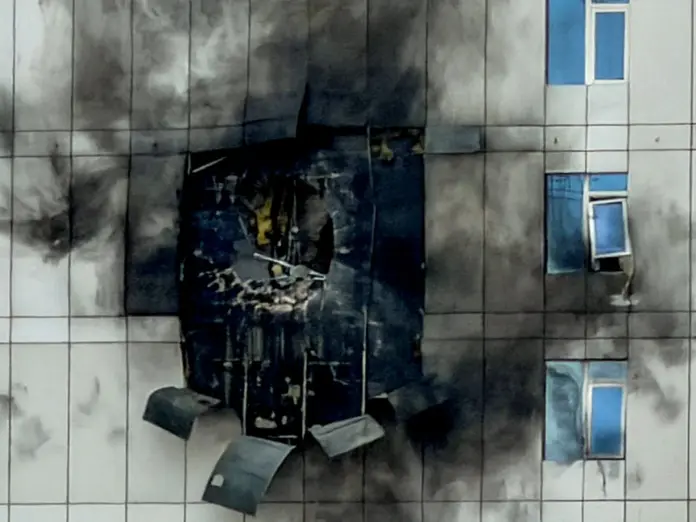
The UN Human Rights Council convened an emergency session in Geneva on Wednesday, passing a resolution demanding that Iran immediately cease what Gulf Arab nations described as unprovoked attacks on civilian and energy infrastructure across the region — strikes that have killed civilians, disrupted oil supplies, and pushed the Middle East toward the brink of wider catastrophe.
The resolution, brought forward by the six-member Gulf Cooperation Council (GCC) and Jordan, voices grave concern over Iranian drone and missile strikes targeting electricity grids and desalination plants, and condemns Tehran’s actions aimed at closing the Strait of Hormuz — the critical waterway through which roughly one-fifth of the world’s oil and gas supplies flow. The measure also calls for full and swift reparation to victims. It is not legally binding on any party.
The 47-member council’s session came as the US-Israeli military campaign against Iran entered its fourth week, with Iranian retaliation intensifying across the Gulf. Kuwait’s international airport was struck on Wednesday, the same day Gulf ambassadors addressed the council. Kuwait’s ambassador Naser Abdullah Alhayen delivered one of the session’s starkest warnings, telling delegates that Gulf states face nothing less than an existential threat to international and regional security.
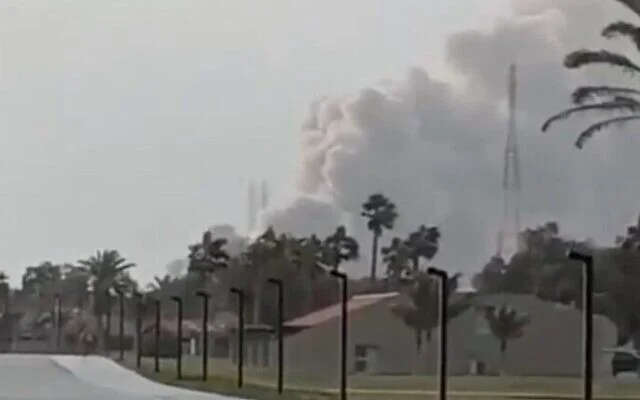
Qatar’s representative Hend bint Abd al-Rahman al-Muftah detailed the human cost of the strikes, noting that Iranian attacks had knocked out electricity and desalination infrastructure — systems on which Gulf populations depend for basic survival in one of the world’s most arid regions. The United Arab Emirates disclosed that it had intercepted more than 2,000 Iranian ballistic missiles and drones, with its ambassador Jamal Al Musharakh emphasising that the UAE had never permitted its airspace to be used for strikes against Iran. Bahrain said it had endured 26 consecutive days of aggression.
GCC member states stressed that they had not participated in the US-Israeli campaign, making Iranian strikes on their territory a gross violation of state sovereignty, in the words of Gulf officials. Saudi Arabia’s representative Abdulmohsen Majed bin Khothaila echoed that position before the council.
UN human rights chief Volker Turk warned that the conflict has produced an extremely dangerous and unpredictable situation, and that the trajectory of events is pushing the entire Middle East toward an unmitigated catastrophe. Turk also stated that deliberate attacks on civilians and civilian infrastructure — by any party — may constitute war crimes under international law.
Iran’s ambassador to the UN in Geneva, Ali Bahreini, offered a sharply different framing, alleging that more than 1,500 Iranian civilians have been killed in US-Israeli strikes. Bahreini issued a pointed warning to Gulf states, suggesting that nations presenting themselves as friends today would ‘cast off their masks tomorrow.’ Oman’s ambassador Idris Abdul Rahman Al Khanjari offered a measured counterpoint, noting that US-Israeli strikes preceded Iran’s retaliatory campaign — a sequence of events, he implied, that complicates any straightforward attribution of blame.
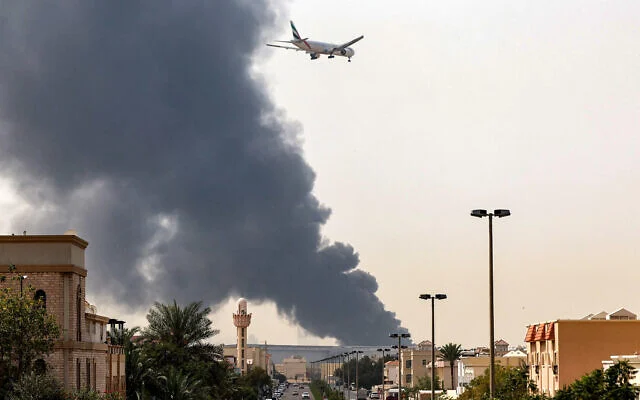
The de facto closure of the Strait of Hormuz has sent oil prices surging, amplifying the economic consequences of a conflict that has already devastated civilian infrastructure across multiple countries. The volume of incoming attacks on Gulf states appeared to be easing in recent days, though officials cautioned that the situation remained volatile.
Iran is holding a separate emergency session on Friday focused on a strike that destroyed a primary school on the first day of the war, an attack the United States has acknowledged may have been carried out in error. The incident has become a focal point for international condemnation of the broader campaign.
Israel has stated its war aims explicitly: to cripple the Iranian regime, destroy its missile and nuclear capabilities, and create conditions for possible regime change. China, which backs Iran, has watched the escalation with growing alarm. Meanwhile, GCC states are pressing for a seat at the negotiating table in any future talks between Washington and Tehran — a role Oman had played as a quiet mediator before hostilities erupted.
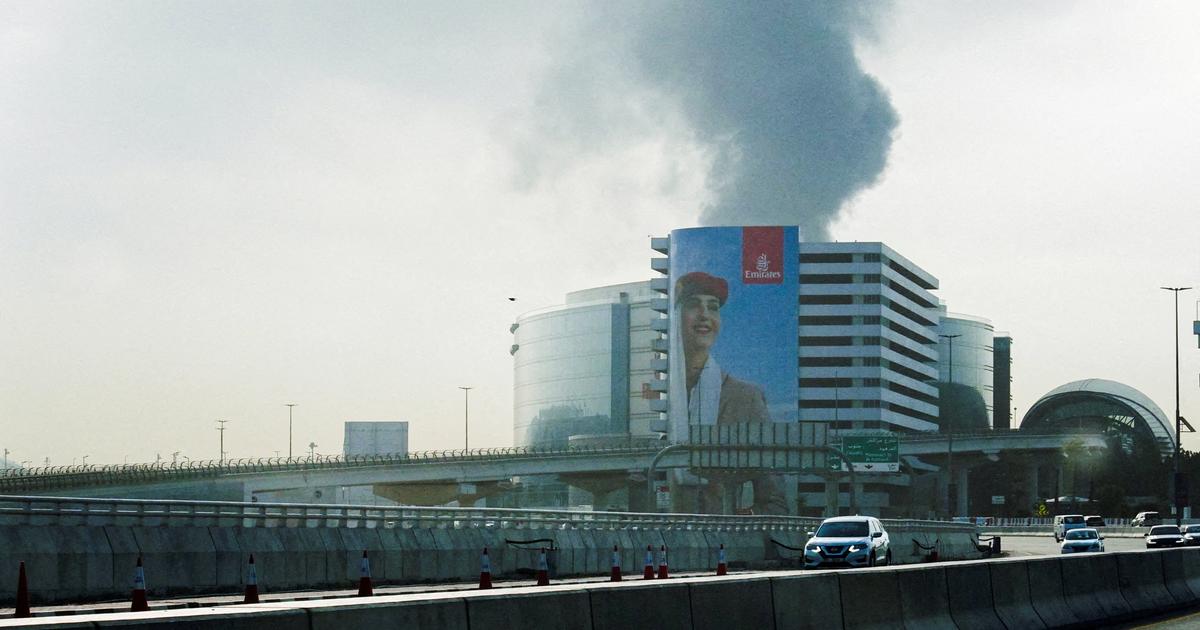
Behind the scenes, attention is turning to Iran’s internal political landscape. Parliament Speaker Mohammad-Bagher Ghalibaf has been identified by some White House officials as a potentially pragmatic interlocutor who could engage with the Trump administration in a post-conflict negotiating phase. The White House, however, is not yet committed to any single figure and is weighing multiple options as it considers what a diplomatic off-ramp might look like.
For now, the Gulf’s skies remain contested, its infrastructure battered, and its leaders united in demanding that the international community treat Iranian attacks not as collateral consequences of a distant war, but as a direct and deliberate assault on sovereign states.