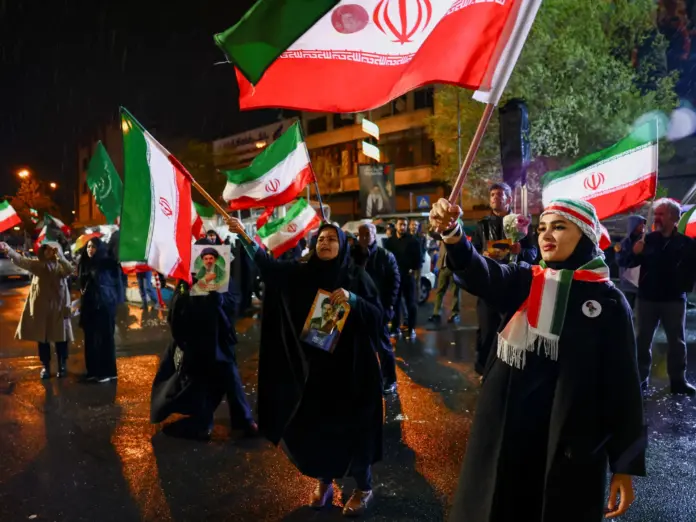
A war that began with the assassination of Iran’s supreme leader is now hurtling toward a critical juncture, as a US deadline for strikes on Iranian energy infrastructure expires at 8pm Eastern Time on April 6 — and diplomats scramble to prevent a devastating escalation.
President Donald Trump granted a 10-day reprieve before authorising potential attacks on Iran’s oil and gas facilities, a pause that has opened a narrow window for negotiation. Pakistan is actively relaying messages between Washington and Tehran, while Turkey and Egypt are supporting broader mediation efforts. Diplomats are pushing for possible in-person talks between Iranian and American officials, potentially as soon as this weekend on Pakistani soil.
Qatar’s Prime Minister and Foreign Minister, Sheikh Mohammed bin Abdulrahman bin Jassim Al Thani, travelled to Washington to meet US Defence Secretary Pete Hegseth, underscoring the intensity of regional engagement. Yet the diplomatic path remains treacherous. Iran has characterised the US negotiating position as ‘one-sided and unfair’ and has presented five non-negotiable demands, including reparations for the war and continued Iranian sovereignty over the Strait of Hormuz — the waterway through which roughly 20 percent of the world’s oil supply flows.
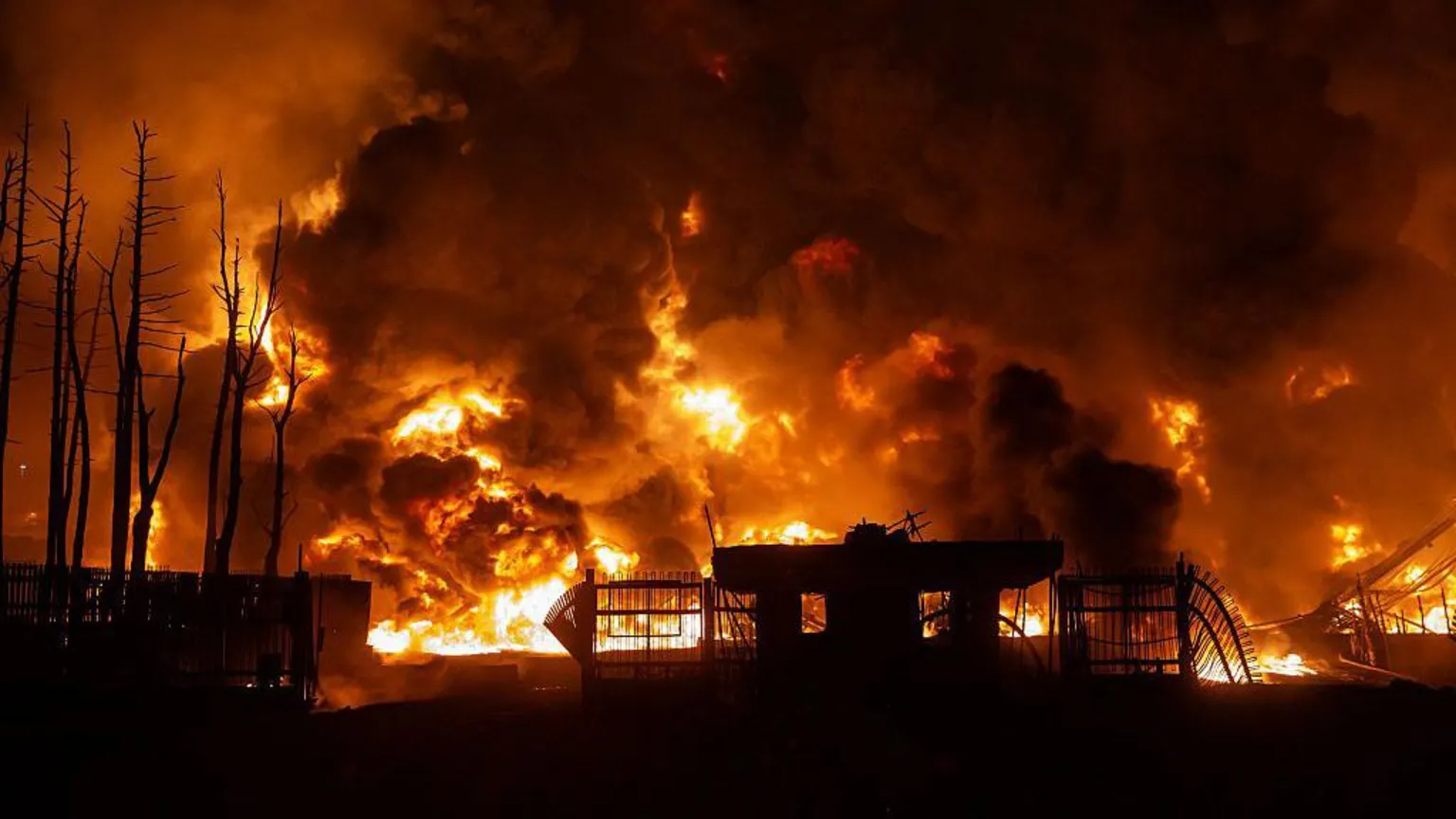
The conflict erupted on February 28, when US and Israeli forces launched coordinated strikes on Iran, killing Ayatollah Ali Khamenei, who had led the Islamic Republic since 1989. The strikes targeted missile infrastructure, military sites, nuclear programme facilities, and oil installations including Kharg Island and South Pars. Among the other senior Iranian figures killed were security chief Ali Larijani, intelligence minister Esmail Khatib, and the head of the paramilitary Basij force, Gholamreza Soleimani.
Khamenei’s son, Mojtaba Khamenei, was named as his successor on March 8. Hegseth subsequently claimed the new supreme leader had been injured and ‘likely disfigured’ — an assertion Tehran has denied.
The human cost has been staggering. Human Rights Activists in Iran reported on March 25 that 3,300 people had been killed inside Iran since the war began, including 1,464 civilians — at least 217 of them children. Iran has accused the US and Israel of striking a girls’ school near an IRGC base in southern Iran on February 28, alleging 168 people were killed, approximately 110 of them children. On March 4, a US submarine sank an Iranian warship in the Indian Ocean near Sri Lanka, killing at least 87 people.
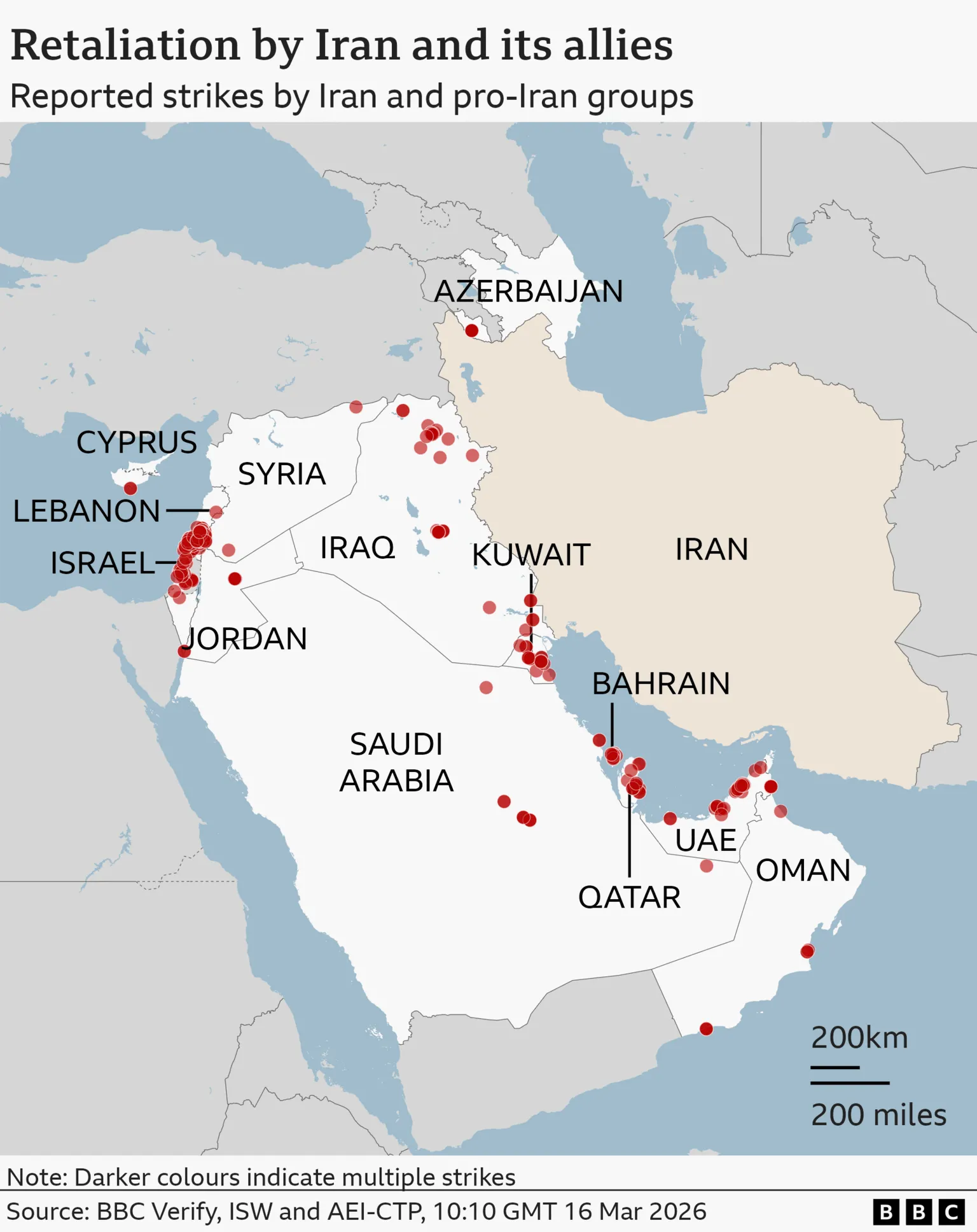
Iran has retaliated with missile and drone barrages targeting Israel and Gulf states including Kuwait, the United Arab Emirates, Saudi Arabia, and Jordan. In Abu Dhabi, debris from an intercepted projectile killed two people — one Indian national and one Pakistani — and injured three others. Kuwait’s National Guard has repeatedly intercepted incoming drones and missiles. At least 20 people have been killed across the Gulf region, including ten in the UAE and six in Kuwait. Four Palestinian women were killed at a beauty salon in the Israeli-occupied West Bank when an Iranian missile struck the area.
The conflict has spread well beyond its epicentre. Turkey reported that NATO air defences shot down three Iranian missiles over its airspace. A British military base in Cyprus was struck by a drone, and Iran reportedly fired two ballistic missiles at the UK base on Diego Garcia in the Indian Ocean on March 21, though neither reached its target. A French soldier was killed by a drone at a Kurdish military base in northern Iraq. The US struck Habbaniyah base in Iraq’s Anbar province, killing between five and seven Iraqi soldiers and wounding 23. Seven additional Iraqi soldiers were killed in a separate airstrike in Anbar province on March 25, and at least 27 members of the Popular Mobilization Forces have been killed across Iraq.
The economic shockwaves are severe. The closure of the Strait of Hormuz has caused Iraq’s oil exports to collapse by more than 70 percent. The World Bank has signalled readiness to provide immediate financial assistance to emerging market economies. A ship carrying more than 700,000 barrels of Russian crude oil arrived in the Philippines, illustrating how global energy flows are being rapidly redirected.
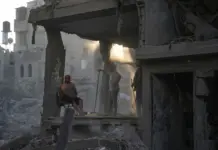
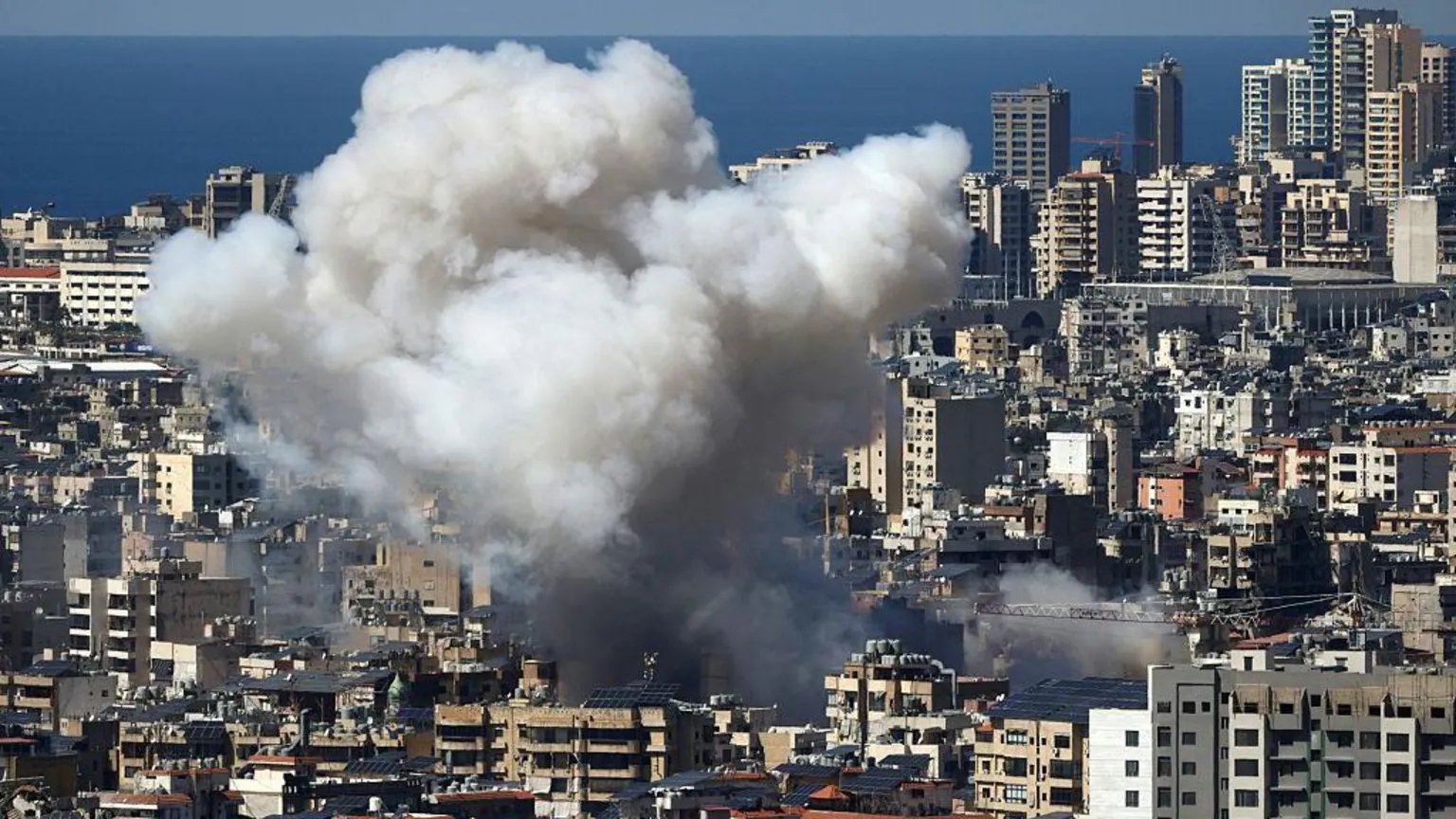
On Israel’s northern front, the military launched a wide-scale wave of strikes on Tehran’s infrastructure early Friday, while also striking Beirut‘s southern suburbs. The Israeli army has announced the deaths of three soldiers in Lebanon, and the country’s defence minister has ordered ground troops to ‘advance and seize additional strategic areas’ to establish a buffer zone against Hezbollah. Lebanese Prime Minister Nawaf Salam warned the United Nations of the ‘risk of annexation’ of Lebanese territory south of the Litani River. Lebanon’s health ministry reports 1,116 people killed by Israeli strikes, including 121 children, and more than one million people — roughly one in six Lebanese — have been displaced.
Israeli opposition leader Yair Lapid has accused the government of steering the country into a ‘security disaster.’ Inside Israel, 16 civilians have been killed by missile fire since the conflict began. Domestically, Trump faces mounting public scepticism: a recent poll found 64 percent of Americans disapprove of his handling of the Iran war, with only 36 percent expressing approval.
With the April 6 deadline hours away and negotiations still deadlocked over Iran’s five-point demands, the coming days may determine whether the region slides deeper into catastrophe or finds an off-ramp from one of the most rapidly escalating conflicts in decades.