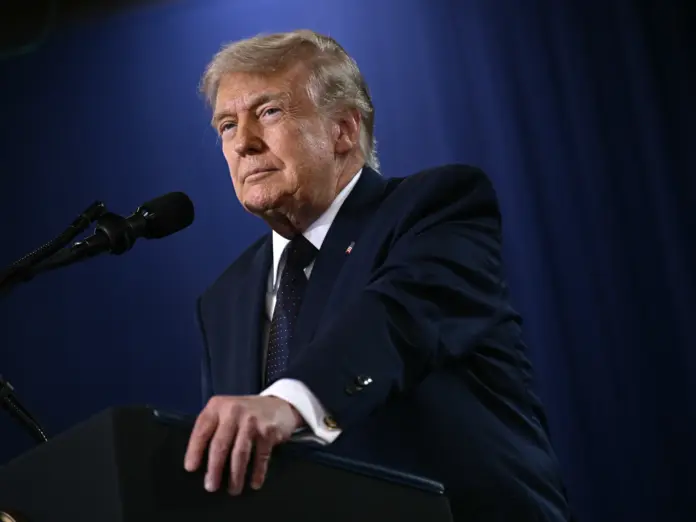
Iran Deal Talks — US President Donald Trump acknowledged Sunday that a sweeping agreement with Iran has not been "fully negotiated yet," tempering earlier optimism after he declared on Saturday that a deal had been "largely negotiated" between Washington, Tehran, and several other nations. White House officials struck a cautious tone, suggesting the final terms could take several more days to lock in.
Trump told advisers not to rush into an agreement, insisting that "time is on our side." The remarks came amid reports that the US waived sanctions on Iranian oil during the negotiating period — a significant concession that has drawn scrutiny. An Iranian source indicated there are signs of American retreat on two critical issues: the mechanism for unfreezing Iranian assets and the precise scope of a ceasefire in Lebanon. The Strait of Hormuz and Iran’s nuclear programme remain the most contentious sticking points blocking a final accord.
Iran’s Tasnim news agency reported that the proposed framework includes a roadmap to end hostilities across all fronts. Democratic Senator Chris Murphy welcomed the prospect of a ceasefire, noting that "thousands of innocent people have been killed" in the conflict. The International Energy Agency has described the US-Israel war on Iran as the worst energy crisis in recorded history.
Recommended Reading
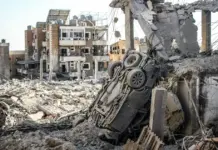
On the ground in Lebanon, the human cost continues to mount. Israeli bombardments have intensified across the south, with the Lebanese Health Ministry confirming at least 3,151 deaths since early March. At least 55 towns and villages in southern Lebanon remain under Israeli military occupation. Hezbollah conducted 28 separate operations on Sunday alone, targeting Israeli forces and military posts throughout the occupied zone.
In a separate incident, Israeli strikes on the southern Lebanese town of Arab Salim killed at least two people and wounded 10 others. The attack underscored the fragility of any prospective ceasefire arrangement, even as diplomats in Washington and Tehran work toward a framework agreement.
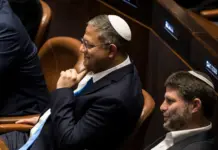
Eight Arab and Muslim nations formally condemned Israeli National Security Minister Itamar Ben-Gvir over his treatment of activists aboard a Gaza flotilla, adding another layer of regional tension to an already volatile diplomatic environment. Kuwait University political science professor Abdullah Alshayji characterised the broader conflict as "a war of choice, rather than a war of necessity," a framing that has resonated across the Arab world.
The Nuclear Non-Proliferation Treaty review process suffered a setback as the United States expressed disappointment over the failure of member states to agree on a final document at the 2026 review conference. The breakdown complicates the broader international framework within which any Iran nuclear deal would need to operate.
Iran Deal Talks: Regional Implications
Financial markets, however, interpreted the diplomatic signals with cautious optimism. Japan’s Nikkei 225 surged 2.71 percent to 65,055.68 in early Monday trading, crossing the 65,000 threshold for the first time in the index’s history. The broader Topix index gained 1.5 percent, reaching 3,950.91. Analysts attributed part of the rally to hopes that a US-Iran agreement could ease global energy market pressures, which have weighed heavily on export-dependent Asian economies.
The diplomatic timeline carries domestic political weight for the Trump administration. Crucial US midterm elections are scheduled for November, and a resolution to the Iran conflict — one of the defining foreign policy crises of the current term — would represent a significant political asset. Trump’s team is balancing the pressure to deliver results against the president’s own instruction not to accept unfavourable terms in haste.
Whether the remaining gaps over asset unfreezing, the Lebanon ceasefire perimeter, and Iran’s nuclear programme can be bridged in the coming days remains uncertain. What is clear is that the cost of delay continues to be measured in lives across southern Lebanon, in energy prices felt by consumers worldwide, and in the fragile stability of a region that has endured months of escalating warfare.