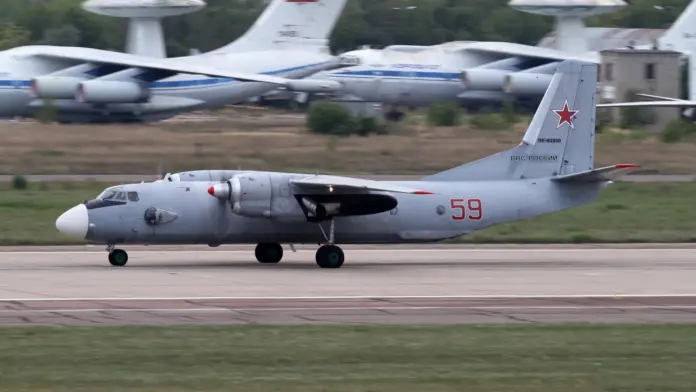
A Russian military transport aircraft crashed in occupied Crimea on Tuesday, killing all 29 people on board in a disaster that Russian authorities attributed to technical failure. The An-26 aircraft, carrying six crew members and 23 passengers, went down over the Crimean Peninsula at approximately 18:00 local time — 15:00 GMT — on March 31, slamming into a cliff before search and rescue teams located the wreckage.
Russia’s defence ministry confirmed the deaths on April 1, stating that preliminary assessments pointed to a mechanical malfunction as the cause. Investigators found no signs of external impact on the wreckage, appearing to rule out hostile fire or a strike as contributing factors. Ukraine has not issued any comment on the incident.
The search operation drew military investigators, rescue workers, police officers, and forensic experts to the crash site. Russia’s Investigative Committee subsequently opened a criminal case under Article 351 of the Russian Criminal Code, which covers violations of flight rules and regulations governing flight preparation — a standard legal step in Russian military aviation accidents.
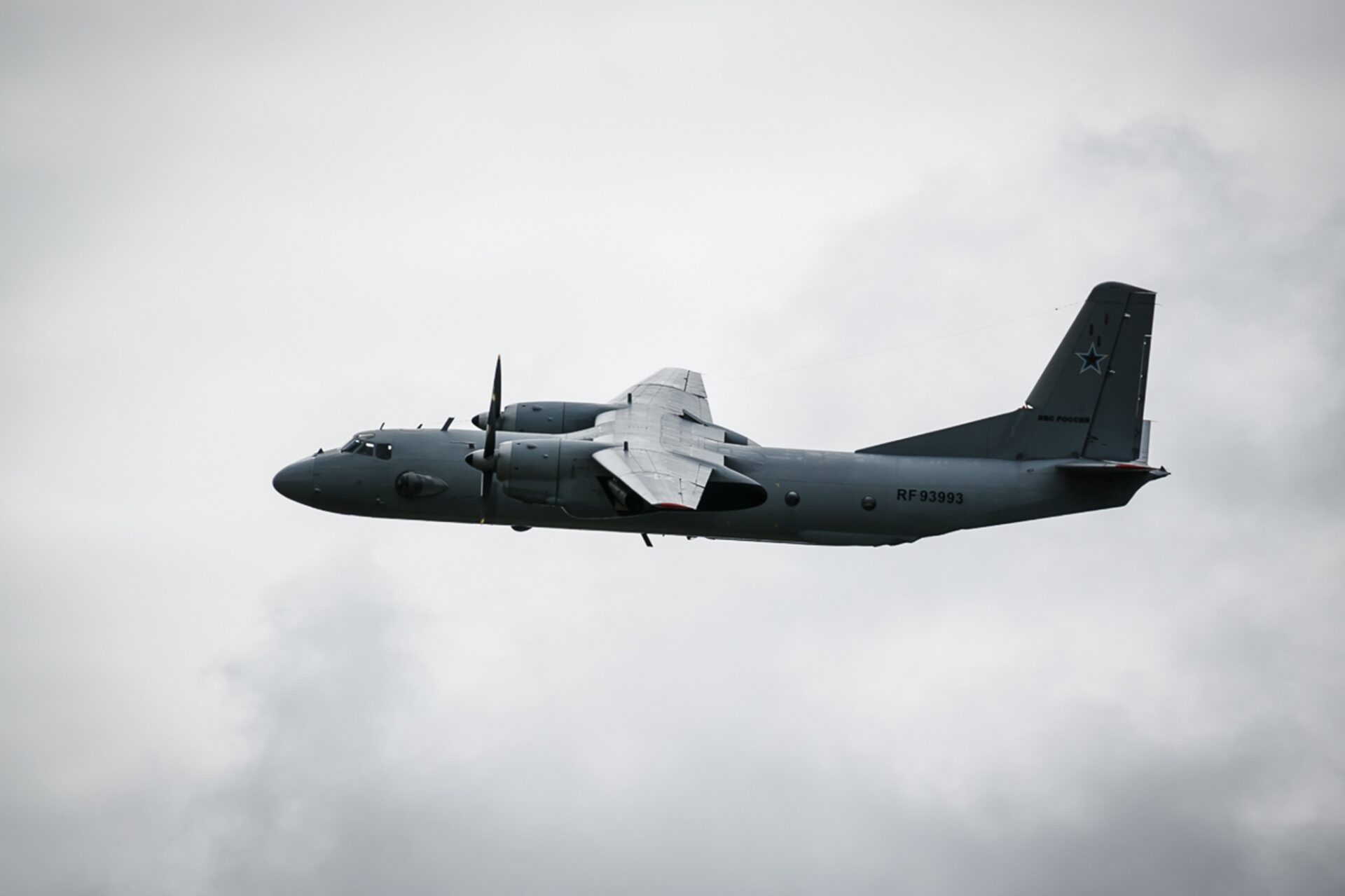
The An-26 is a Soviet-era twin-turboprop transport aircraft manufactured by Ukrainian aerospace company Antonov and has been in operational service since the late 1960s. Despite its age, the platform remains in widespread military use across the former Soviet space. Its safety record has drawn scrutiny in recent years: 26 people, most of them cadets, died when a Ukrainian Air Force An-26 crashed near Kharkiv in 2020; 28 people were killed in a separate An-26 crash in Russia’s Far East in 2021; and a further fatality occurred when one of the aircraft went down in Ukraine’s Zaporizhzhia region in 2022.
Crimea occupies a strategically vital position in Russia’s war against Ukraine. Since Moscow’s illegal annexation of the peninsula in 2014, and particularly following Russia’s full-scale invasion four years ago, Crimea has functioned as a primary logistical hub — a staging ground for strikes against Ukrainian territory and a critical supply corridor for Russian forces operating in the south. The peninsula borders the partly Russian-occupied Kherson region, and Ukrainian forces have repeatedly targeted Russian military installations there throughout the conflict.
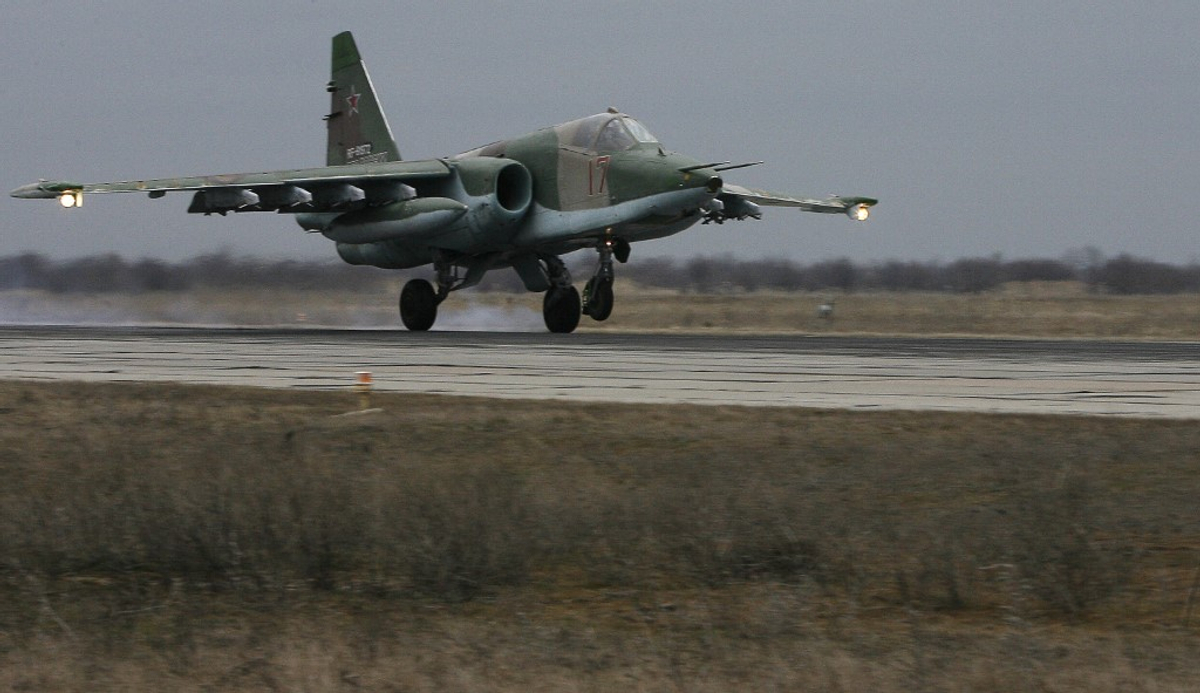
The geopolitical status of Crimea remains one of the most contentious fault lines of the war. Ukrainian President Volodymyr Zelensky has consistently demanded Russia’s withdrawal from the peninsula as a non-negotiable condition of any ceasefire agreement. That position was complicated in November when a United States-backed peace framework proposed that Kyiv effectively cede control of Crimea — a proposal Zelensky has resisted.
Tuesday’s crash underscores the operational strain on Russian military aviation assets, which have faced sustained pressure throughout the conflict. While Moscow has not disclosed the identities or roles of those killed, the presence of 23 passengers alongside a six-member crew suggests the aircraft was transporting military personnel across the peninsula at the time contact was lost.
An investigation into the cause of the crash remains ongoing. The combination of the aircraft’s age, the demanding operational environment, and the preliminary finding of technical malfunction is likely to focus scrutiny on maintenance standards within Russia’s military aviation fleet — questions that have grown louder as the war in Ukraine enters its fourth year.