A Russian delegation arrived in the United States on Thursday for direct meetings with American officials, marking the first such visit since bilateral relations collapsed under the weight of Moscow’s ongoing war in Ukraine — now entering its fifth year with no resolution in sight.
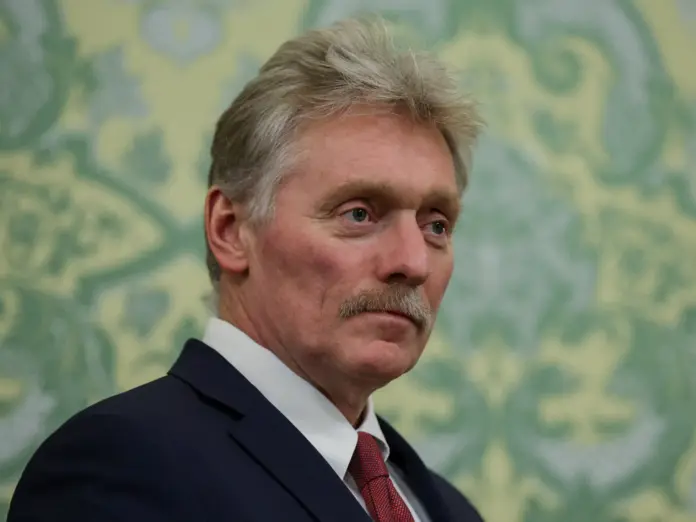
Kremlin spokesperson Dmitry Peskov described the trip as part of what he called ‘necessary dialogue’ with Washington, adding that President Vladimir Putin had personally set the guiding directives for the delegation’s agenda. The visit signals a tentative resumption of face-to-face engagement between the two powers, though the diplomatic backdrop remains deeply fraught.
Efforts brokered by the administration of US President Donald Trump to negotiate a ceasefire in Ukraine have stalled. Multiple rounds of negotiations since Trump returned to the White House last year have failed to break the deadlock, and the Kremlin has explicitly ruled out any compromises that would halt its military offensive. Separate talks between Ukrainian and American officials held in the state of Florida on Saturday again ended without the security guarantees that Kyiv has long demanded from Washington.
The diplomatic maneuvering is unfolding against a backdrop of intensifying violence on the ground. This week, Russia launched one of the most devastating aerial barrages of the entire conflict, deploying 948 drones within a 24-hour period while simultaneously moving troops and equipment toward the front line. The scale of the assault underscored the Kremlin’s continued military ambitions even as its officials engaged in dialogue abroad.
Ukrainian President Volodymyr Zelenskyy responded with an urgent appeal to allied nations, calling for immediate resupply of air defence munitions. Kyiv depends heavily on US-supplied systems to intercept ballistic missiles, and Zelenskyy warned that the country faces a growing deficit of interceptors at a critical moment. He specifically flagged concerns that Washington’s attention and resources are being diverted by the US-Israeli military campaign against Iran, potentially leaving Ukraine more exposed.
The Iran dimension adds another layer of complexity to the Russian delegation’s visit. Western intelligence officials have identified Russia as a key backer of the Iranian government, and a report published Wednesday alleged that Moscow was close to completing a drone shipment to Tehran. Peskov flatly denied the claim, but the allegation arrives at a sensitive juncture — with Russia simultaneously conducting drone warfare in Ukraine while reportedly supplying the same technology to a state now under direct military pressure from the United States and Israel.
The convergence of these crises places Washington in an increasingly difficult position. The Trump administration faces simultaneous demands from Kyiv for security commitments and air defence support, pressure from allies to sustain engagement on the Ukraine peace process, and the operational demands of its military partnership with Israel against Iran. For Zelenskyy, the risk is that Ukraine becomes a secondary priority in a rapidly shifting geopolitical landscape.
Russia’s willingness to send a delegation to Washington suggests Moscow sees value in maintaining a channel of communication with the Trump administration, even while pressing its military advantages in Ukraine. Whether that dialogue translates into any tangible movement toward peace remains deeply uncertain. With the Kremlin unwilling to compromise on its core territorial objectives and Kyiv unable to secure the guarantees it needs, the conflict shows no signs of approaching a negotiated end.
The Russian delegation’s arrival nonetheless represents the most direct engagement between Moscow and Washington in years — a signal, however ambiguous, that both sides retain an interest in talking, even as the war grinds on and the humanitarian toll continues to mount.