A diplomatic storm engulfed the NATO alliance this week after a leaked Pentagon email floated the possibility of suspending Spain from the bloc over Madrid’s refusal to support US-Israeli military operations against Iran — a threat European leaders swiftly and unanimously rejected as legally baseless and politically reckless.
The email, which emerged on Friday, suggested Washington could review Spain’s standing within NATO following Prime Minister Pedro Sanchez‘s decision to deny US forces access to joint military bases on Spanish soil for operations against Iran. Sanchez has described the US-Israeli strikes as illegal under international law and was the sole NATO member to refuse President Donald Trump‘s demand that all allies boost defence spending to 5% of GDP.
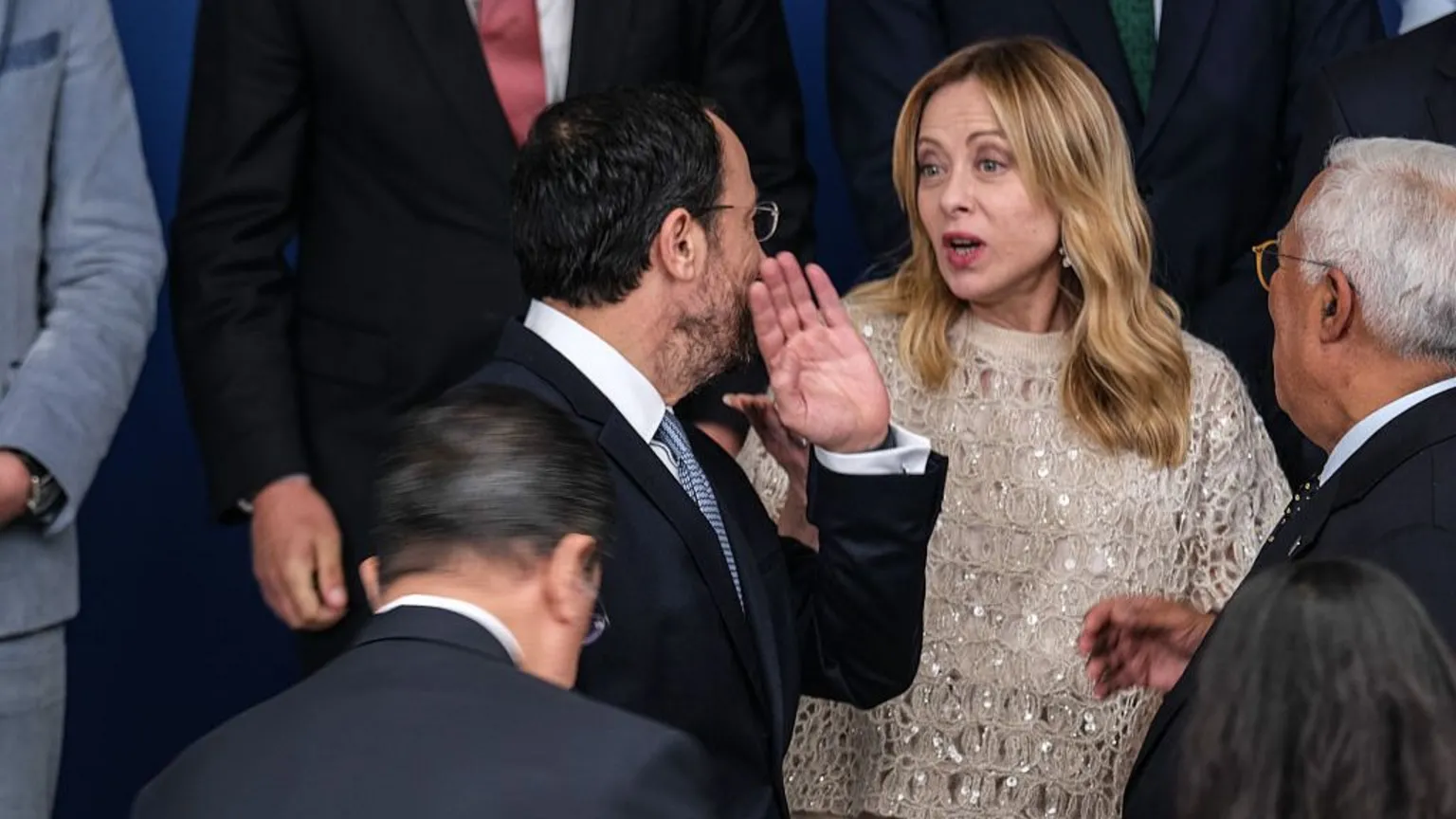
The threat landed with a thud in European capitals. Speaking at a two-day EU leaders’ summit in Cyprus, Dutch Prime Minister Rob Jetten was unequivocal: Spain was and would remain a full NATO member. A senior German official echoed that position, stating there was no reason whatsoever that should change. Italian Premier Giorgia Meloni, herself no stranger to Washington’s displeasure — Trump once called her ‘one of the real leaders of the world’ before labelling her ‘unacceptable’ after she denied the US use of the Sigonella airbase in Sicily — described the tensions between Washington and Madrid as ‘not at all positive.’
The legal reality is straightforward: NATO’s founding treaties contain no provision for expelling a member state. Any move to bar Spain from key civilian or military roles within the alliance would require unanimous consent from all NATO members — a threshold that, given the current European mood, appears impossible to reach.
Camille Grande, former NATO Assistant Secretary General for Defence Investment, said the leaked email betrays a ‘fundamental misunderstanding’ within the Trump administration about the nature of the alliance. Former US Ambassador to NATO Julianne Smith called the proposed punitive measures ‘over-reactive,’ noting that allies were never formally asked to assist in operations against Iran in the first place.
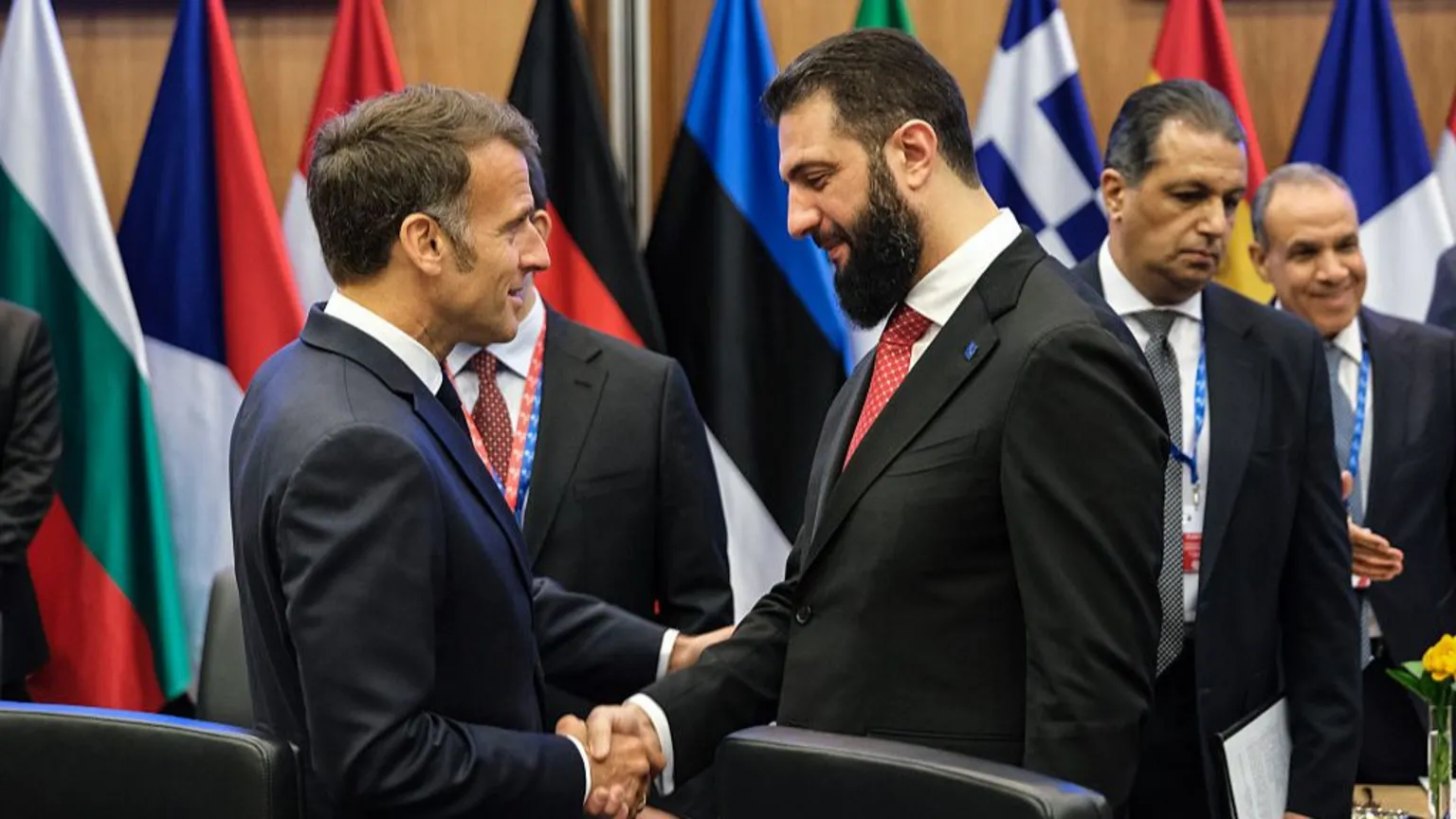
The episode has nonetheless laid bare the widening gulf between Washington and its European partners. Trump has repeatedly called NATO a ‘paper tiger’ and threatened to withdraw the United States from the alliance on multiple occasions. French President Emmanuel Macron accused Trump of ‘hollowing out’ NATO through sustained public attacks on its credibility. Polish Prime Minister Donald Tusk went further, openly questioning whether the US would honour its Article 5 commitments and come to an ally’s military aid if attacked.
Those concerns carry particular urgency given the security environment. NATO’s own assessments suggest Russia could be prepared to attack a member state within three years. Dutch military intelligence went further, concluding that once the war in Ukraine concludes, Moscow could be ready to initiate a regional conflict against NATO within a single year. Against that backdrop, the Pentagon’s decision to delay delivery of six High Mobility Artillery Rocket System units to Estonia — hardware the US Embassy in Tallinn had previously called ‘one of the most significant capability upgrades in Estonian military history’ — has deepened anxiety among frontline allies.
US Defence Secretary Pete Hegseth, speaking at the Reagan National Defense Forum on 6 December, divided allies into explicit categories of ‘good guys’ and ‘bad guys,’ promising ‘special favor’ to nations including Israel, South Korea, Poland, Germany, and the Baltic states, while warning that those failing to ‘do their part’ would face consequences. The framing alarmed European officials who see it as a transactional reordering of an alliance built on collective security principles.
The United Kingdom has navigated the tensions differently. Prime Minister Sir Keir Starmer initially refused a US request to use British military bases ahead of strikes on Iran in February, but London has since permitted access, with RAF aircraft participating in missions to intercept Iranian drones. The leaked Pentagon email also suggested Washington could revisit its position on the UK’s claim to the Falkland Islands — a pointed signal to London about the costs of non-compliance.
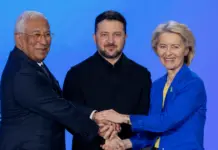
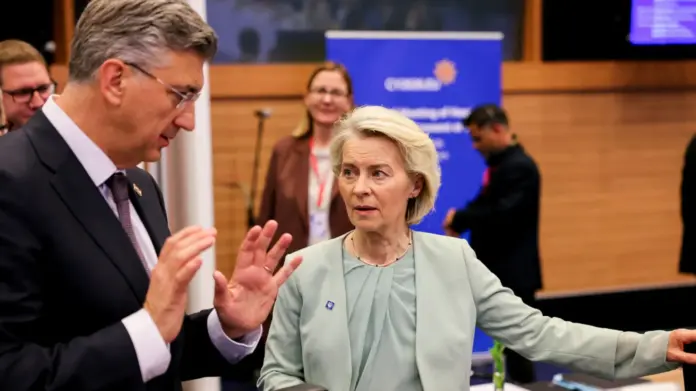
In Cyprus, EU leaders explored contingency options should NATO’s collective defence architecture continue to erode. Discussions touched on Article 42.7 of the EU treaty — the bloc’s own mutual defence clause — as a potential fallback. European Commission President Ursula von der Leyen acknowledged the clause is clear on member obligations but less precise about the mechanics of implementation.
Meanwhile, France and the UK are coordinating international maritime patrol and mine-sweeping capabilities for the Strait of Hormuz in anticipation of the post-conflict period. Paris has indicated it would prefer the US to remain outside those discussions, though London is understood to hold a different view.
Former NATO Secretary General Jens Stoltenberg offered a sobering assessment, warning that the alliance’s continued existence cannot be taken for granted a decade from now. He noted that the US and its NATO allies together represent half the global economy and half the world’s military power — a combined weight that, he argued, most allies have quietly supported through logistical contributions to US operations, even where public positions have diverged. Whether that quiet solidarity can survive the current turbulence remains an open question.
Sanchez, for his part, stood firm in Cyprus, insisting Spain is fulfilling all of its NATO obligations. Trump has threatened trade sanctions against Madrid, though none have yet been enacted.