Lebanon War Ceasefire — Israel dramatically escalated its military campaign in Lebanon on March 2, marking the second intensification of the war within two years and shattering what remained of a ceasefire agreement brokered in November 2024. United Nations peacekeepers documented more than 10,000 Israeli violations of that agreement before the latest offensive surge began.
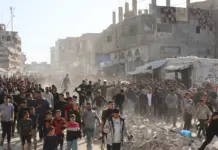
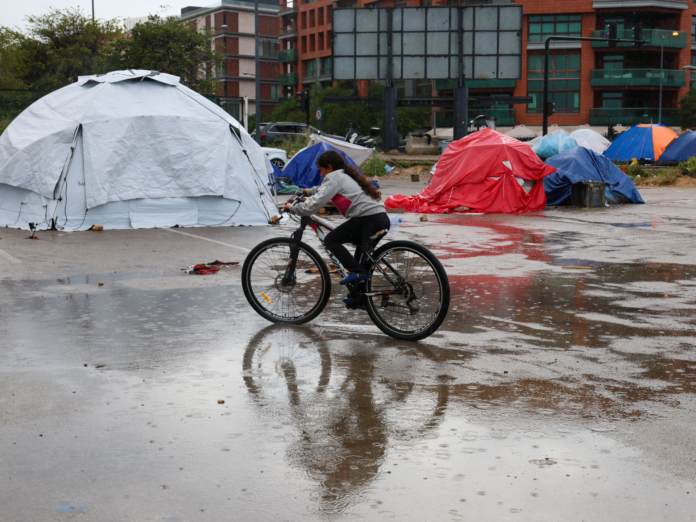
The human toll has been staggering. Israeli forces have killed more than 5,000 people in Lebanon since October 2023, with one particularly devastating 24-hour period seeing more than 350 people killed as Israel launched roughly 100 attacks in under ten minutes across the country. More than 1.2 million people have been forcibly displaced from southern Lebanon and the southern suburbs of Beirut, gutting communities that had already endured years of economic collapse.
The killing of Iran’s Supreme Leader Ali Khamenei on February 28 — just days before the latest Israeli escalation — dramatically altered the regional calculus. A ceasefire between the United States and Iran subsequently took effect on April 8, with President Donald Trump later extending the arrangement. The agreement has done little, however, to halt Israeli military operations inside Lebanese territory, where ground forces remain deployed in what Beirut describes as an illegal occupation of the south.
Recommended Reading
Israel’s stated objective throughout the campaign has been the disarmament of Hezbollah, the Iran-backed armed movement whose iconic former leader Hassan Nasrallah was killed during the broader Israeli offensive. His successor, Naim Qassem, now leads an organisation that is weakened but far from dismantled, and whose political allies are fighting hard to shape Lebanon’s diplomatic response to the war.
The Lebanese government has agreed to enter direct negotiations with Israel to end the conflict and secure a withdrawal from occupied southern territory — a significant shift driven in large part by sustained pressure from both Washington and Tel Aviv. But the decision has exposed deep fault lines within Lebanese society. Hezbollah and its supporters strongly oppose direct talks, insisting that any negotiations must be conducted indirectly through intermediaries.
Senior Hezbollah figures Wafiq Safa and Mahmoud Qamati issued pointed warnings to the Lebanese government, stating that any decisions to ban the group’s military activities would be reversed. The warnings underscored Hezbollah’s determination to retain its armed wing regardless of the outcome of any diplomatic process.
The political dispute has spilled into a corrosive public culture war. Some right-wing Christian members of parliament made statements openly praising the Israeli military — remarks widely condemned as inflammatory. Lebanese television channel LBCI amplified tensions further by publishing a cartoon depicting Qassem and Hezbollah members as characters from the popular mobile game Angry Birds. Hezbollah supporters responded by circulating provocative images of Maronite Patriarch Bechara Rai on social media, drawing condemnation from the Supreme Shia Islamic Council and Dar al-Ifta al-Jaafari, both of which issued formal statements denouncing the retaliatory posts.
Lebanon War Ceasefire: Regional Implications
Michael Young, a Lebanon expert at the Carnegie Middle East Center, has observed that the war is accelerating pre-existing fractures within Lebanese political life, with the question of Hezbollah’s arms becoming increasingly impossible to defer. Qassem Kassir, a journalist with close ties to Hezbollah, has indicated that the movement views any direct negotiation framework as a mechanism designed to legitimise Israeli demands for disarmament rather than to achieve genuine peace.
The broader regional picture remains volatile. With Khamenei dead and a fragile US-Iran ceasefire in place, the strategic environment that sustained Hezbollah’s role as Iran’s primary deterrent against Israel has fundamentally shifted. Whether Lebanon’s government can navigate direct talks without triggering a domestic political crisis — or renewed violence from within — remains the central question facing Beirut as the war enters yet another dangerous phase.