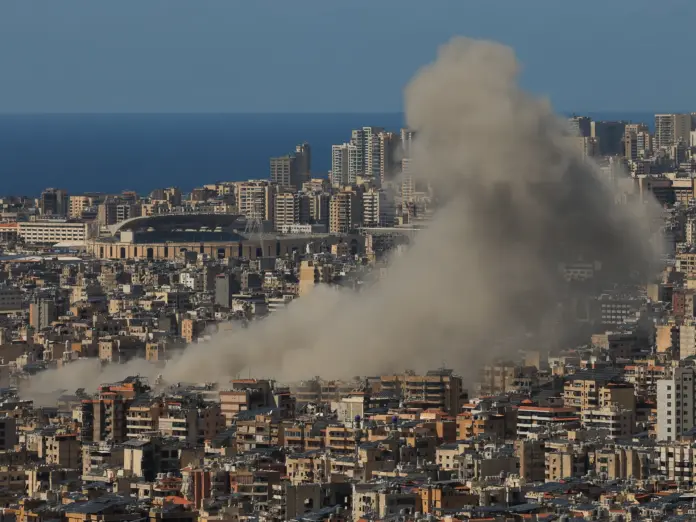
BEIRUT — Lebanon’s government has ordered Iran’s ambassador expelled, banned Hezbollah’s military wing, and called for negotiations with Israel — a cascade of confrontational decisions that has placed the country’s fragile state on a collision course with the very armed movement that has long operated as a state within a state.
Foreign Minister Youssef Raggi declared Ambassador Mohammad Reza Sheibani persona non grata on March 24, giving him until March 29 to leave the country. Two days after that deadline passed, Sheibani remained inside the Iranian diplomatic compound in Beirut — a location where Lebanese authorities cannot legally detain him. Tehran’s Foreign Ministry made clear it had no intention of complying, stating flatly that the ambassador would not leave.
The expulsion order reflects the Lebanese government’s fury at what Prime Minister Nawaf Salam described as direct Iranian interference in the country’s internal conflict. Salam accused the Islamic Revolutionary Guard Corps of managing military operations inside Lebanon and alleged the IRGC fired an attack targeting Cyprus — a charge that, if confirmed, would represent a dramatic escalation with implications far beyond Lebanon’s borders.
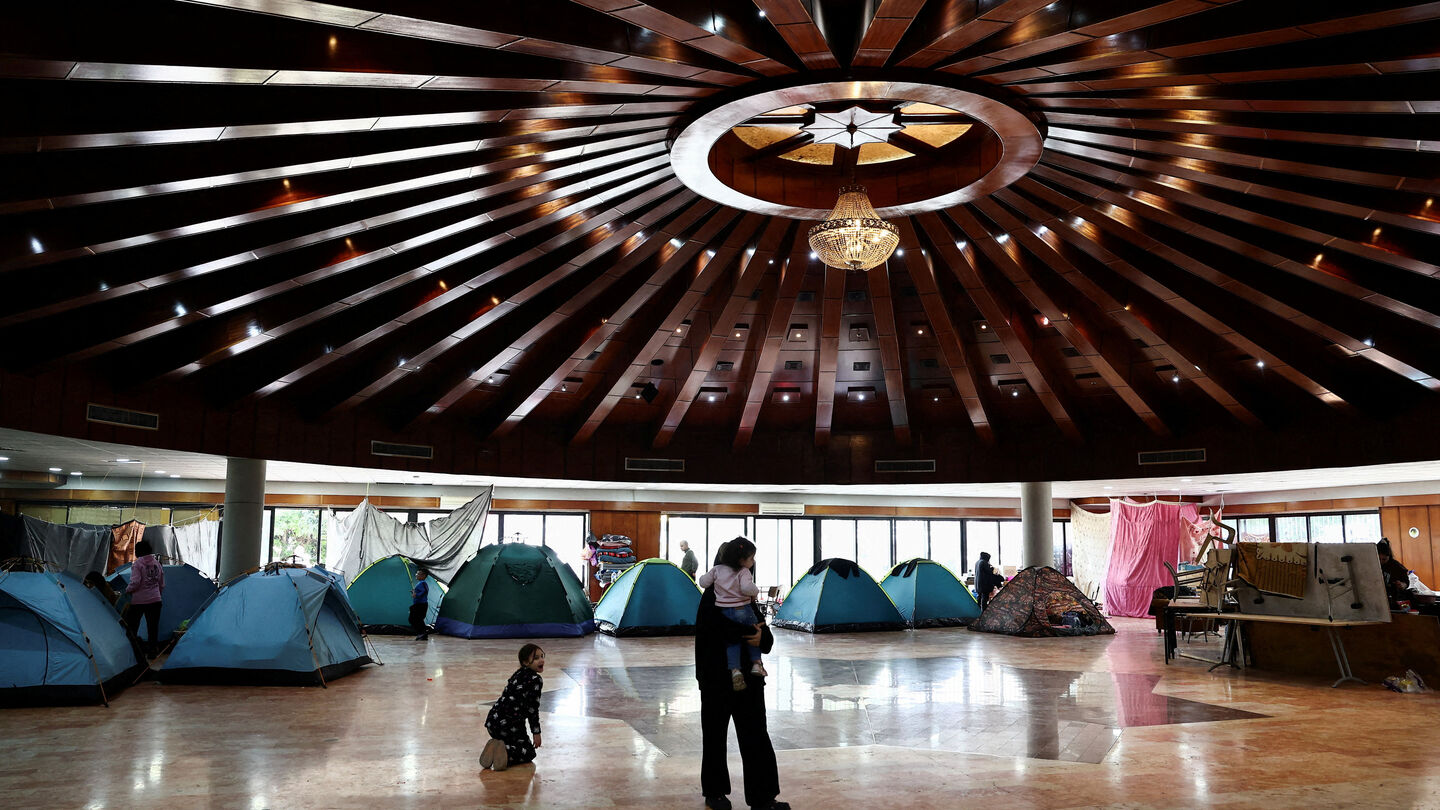
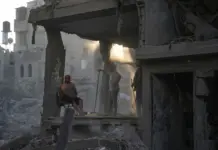
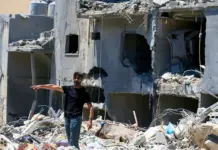
The crisis has its roots in the devastating war that erupted after Hezbollah entered the conflict alongside Gaza on October 8, 2023. Israeli military operations killed more than 4,000 people in Lebanon — the majority of them Shia Muslims — and displaced over 1.2 million, representing more than a fifth of the country’s entire population. Among the dead was Hassan Nasrallah, Hezbollah’s longtime secretary-general, along with much of the group’s senior military leadership. A ceasefire was reached in November 2024.
That ceasefire proved short-lived. On March 2, Hezbollah fired on Israeli positions, prompting Israeli retaliation. The group has since launched dozens of attacks and is engaged in ground combat with Israeli forces in the south. Israel’s defence minister has stated the country intends to establish a security zone extending to the Litani River, roughly 30 kilometres north of the border, and has warned that hundreds of thousands of Shia residents will not be permitted to return south of that line until Israel’s security requirements are met. Israeli evacuation orders have been directed specifically at Shia villages in the south, with Christian communities left untargeted, according to an Israeli military official.
Israel has threatened Lebanon with the kind of destruction and prolonged occupation visited upon Gaza, a warning that hangs over a country still scarred by a civil war that lasted from 1975 to 1990 and an 18-year Israeli occupation that ended only when Hezbollah drove Israeli forces out in 2000.
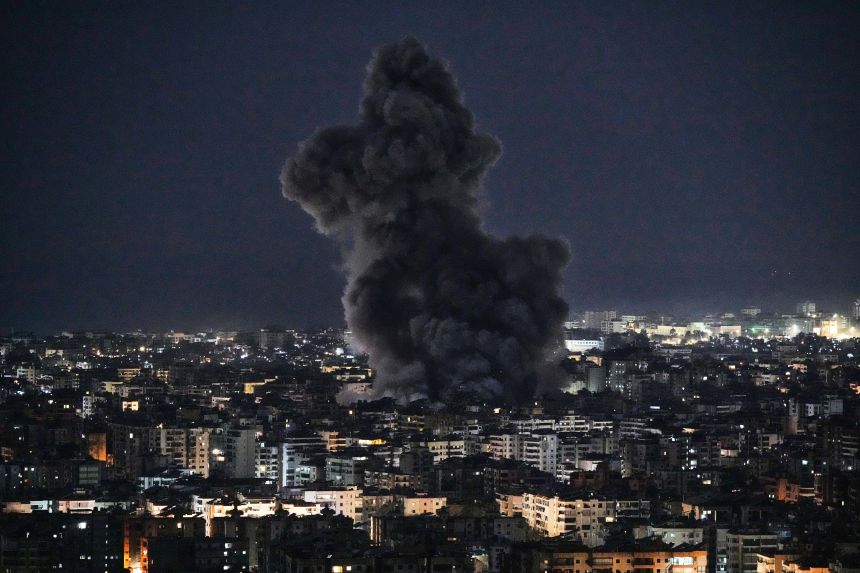
President Joseph Aoun and Prime Minister Salam have made Hezbollah’s disarmament a central priority of their administration. The government has banned the group’s military wing and demanded it surrender its weapons — an arsenal that military analysts note is more potent than that of the Lebanese army itself. Hezbollah has refused. Officials from the movement have instead warned that the government must reverse its disarmament decisions, with senior figure Mahmoud Qmati comparing the Salam administration to the collaborationist Vichy French leadership during World War Two.
The political landscape is further complicated by Parliament Speaker Nabih Berri, a longtime Hezbollah ally whose position gives the movement significant institutional leverage. Reports indicate the IRGC dispatched officials to Beirut during the ceasefire period to assist Hezbollah in restructuring its battered command structure — a process that appears to have accelerated the group’s return to active hostilities.
The broader regional context has grown more volatile still. Ali Khamenei, Iran’s Supreme Leader, was assassinated in Tehran, removing a central figure in the architecture of Iranian influence across the region and raising urgent questions about the future direction of Tehran’s proxy networks, of which Hezbollah is the most powerful.
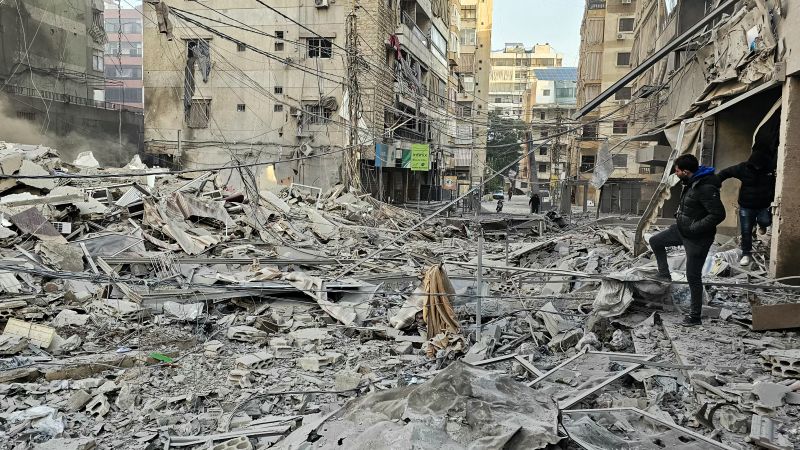
Hezbollah’s history of reshaping Lebanese politics through force looms over the current confrontation. In 2008, when a Western-backed government attempted to outlaw the group’s private communications network, Hezbollah fighters seized control of Beirut in a brief but decisive civil conflict. The group also deployed fighters against protesters during Lebanon’s 2019 uprising and has fought in Syria in support of Bashar al-Assad‘s government since 2011.
Lebanon’s government is now attempting something no previous administration has managed: asserting sovereign authority over an armed faction with deep roots, foreign backing, and a demonstrated willingness to use its weapons domestically. With Israel pressing from the south, Iran defying diplomatic norms from its Beirut compound, and Hezbollah refusing to disarm, the institutions that survived Lebanon’s long history of conflict are being tested as severely as at any point in recent memory.