A professional Israeli footballer has been captured on video opening fire with a machine gun and throwing a grenade during military operations in southern Lebanon, reigniting calls for FIFA to impose sweeping sanctions against the Israeli Football Association and the player himself.
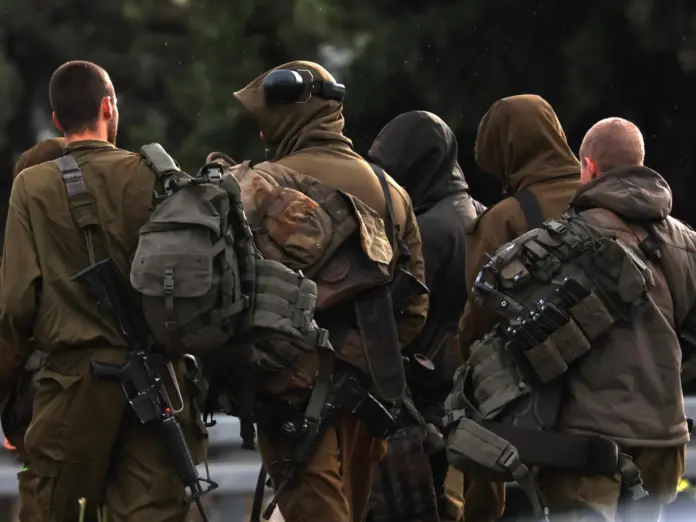
Menashe Zalka, 35, who plays for Hapoel Hadera in the Israeli Premier League, appears in the footage dressed in an Israeli army uniform alongside another soldier. The two men fire from a damaged building situated in a residential area of southern Lebanon. The video was originally broadcast by Israel’s Channel 14 on Saturday and subsequently verified as authentic.
Zalka serves as a reserve member of the Israeli army’s paratrooper brigade and previously participated in Israeli military operations in Gaza for hundreds of days in a reserve capacity — service that former Knesset member Dov Lipman publicly highlighted. His appearance in Lebanon marks a further extension of his dual role as professional athlete and active combatant.
The Palestinian Football Association (PFA) swiftly condemned Zalka’s involvement in the Lebanon assault, adding his case to a growing list of grievances the organisation has levelled against Israeli football. The PFA, whose vice president is Susan Shalabi, first reported allegations of discrimination by the Israeli Football Association (IFA) to FIFA in October 2024. That complaint triggered a FIFA investigation which concluded on March 19, when FIFA’s disciplinary committee found the IFA guilty of multiple breaches of anti-discrimination obligations, including several documented incidents of racism within Israeli football. The IFA was fined 150,000 Swiss francs ($189,000) and found to have failed to abide by FIFA’s statutory objectives — yet the governing body stopped short of suspending the association.
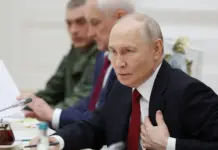
The PFA has called for an outright ban on the IFA, arguing that FIFA’s response stands in stark contrast to its treatment of Russia, which was sanctioned by both FIFA and UEFA following its invasion of Ukraine in 2022. Critics and football fans have echoed that comparison, questioning why the IFA continues to operate without suspension despite a pattern of violations and the direct involvement of its players in active military campaigns.
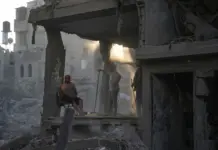
The broader military context in which Zalka was filmed is one of escalating intensity. Lebanese authorities report that Israeli air and ground assaults have killed more than 1,000 people and displaced over a million residents. Israel has ordered all civilians to evacuate areas south of the Litani River and has directed its military to destroy every crossing over that waterway. A main bridge linking southern Lebanon with the rest of the country was struck over the weekend, and two additional Litani crossings were hit on Monday.
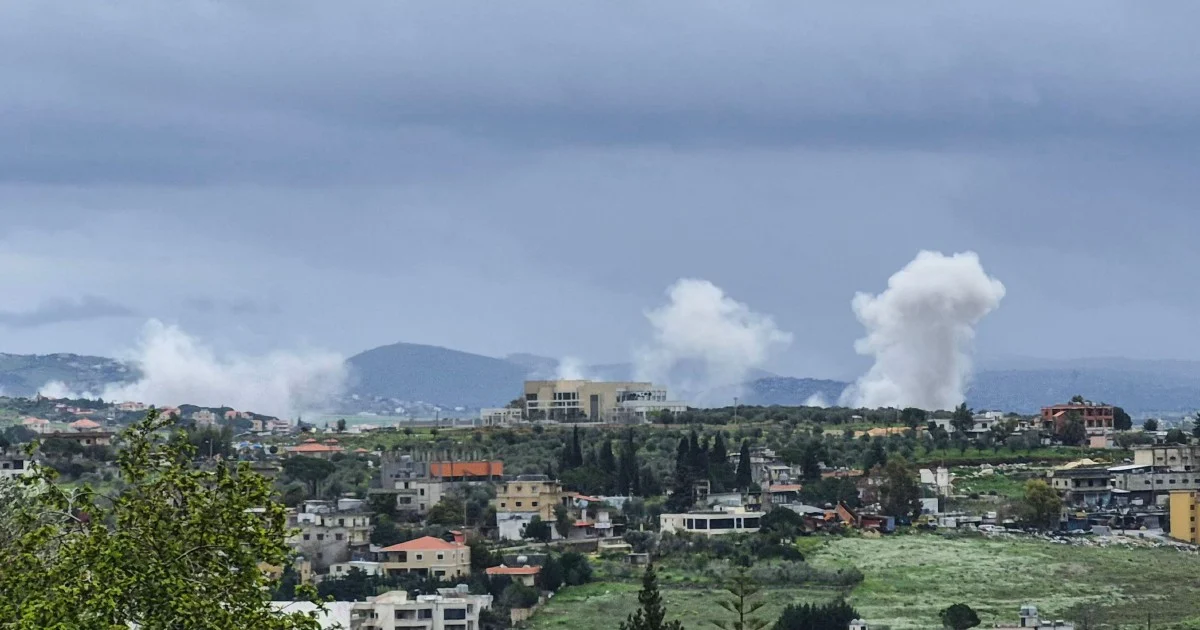
Israeli troops captured several Hizbollah fighters south of the Litani on Monday, the same day an Israeli strike in Beirut killed a commander of the elite Quds Force of Iran’s Revolutionary Guards. At least three explosions were heard in Beirut’s Dahiyeh district late Monday evening. Lebanon was drawn into the wider regional conflict on March 2, when Hizbollah fired missiles into Israel.
Israeli Finance Minister Bezalel Smotrich signalled the government’s territorial ambitions on Monday, telling an Israeli radio programme that "the new Israeli border must be the Litani," calling for Israel to extend its northern boundary to the river. The statement drew immediate international attention as Israeli forces continued operations throughout the south.
Meanwhile, Israeli air strikes and ground attacks have continued across the Gaza Strip, even as a United States-brokered ceasefire remains nominally in effect. Attacks by settlers have also been recorded in the occupied West Bank.
The case of Zalka has crystallised a broader debate about the responsibilities of sporting bodies when their members are directly implicated in armed conflict. Calls for FIFA to impose disciplinary measures against both Zalka and the IFA have grown louder, with critics arguing that the organisation’s credibility depends on applying its own rules without political distinction. FIFA has yet to respond publicly to the latest developments.