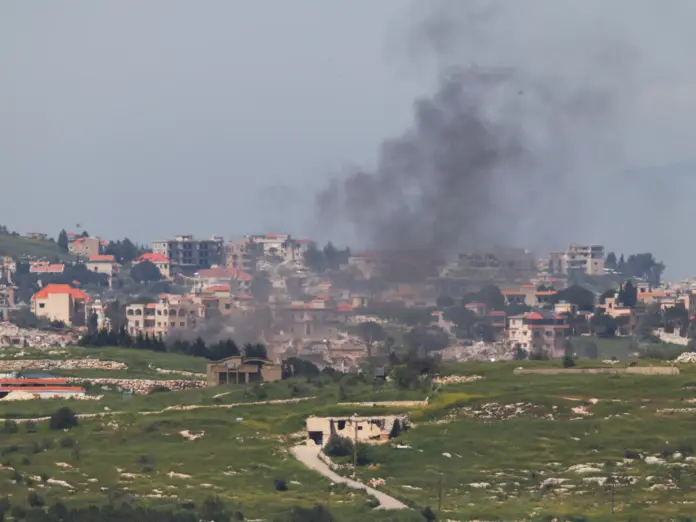
BEIRUT — Israeli warplanes struck approximately 100 targets across Lebanon in the span of ten minutes on 8 April, killing at least 361 people and wounding more than 1,000 others in what Lebanese authorities described as the deadliest single day of the current conflict. The operation, which Israel named ‘Eternal Darkness,’ hit densely populated urban areas from the southern suburbs of Beirut to the coastal city of Sidon, leaving entire city blocks in rubble and communities shattered.
Israel Strikes Lebanon — The assault began at 14:15 local time, when a wave of strikes simultaneously tore through multiple neighbourhoods. The Israeli Defense Forces stated the campaign targeted 250 Hezbollah operatives. Lebanon’s health ministry disputed that characterisation, asserting that the overwhelming majority of those killed were civilians. Lebanese people have since referred to the day as ‘Black Wednesday.’
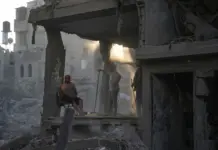
Among the hardest-hit areas was Hay el Sellom, a neighbourhood in southern Beirut where more than 80 people were killed, including at least 15 children. The scale of destruction there was immense. Ghassan Jawad survived after being trapped beneath rubble for roughly ten minutes before neighbours pulled him free — but his mother, two sisters, and their children all perished in the collapse of their building. A man identified only as Mohammed lost his son Abbas when their home was directly struck.
Recommended Reading
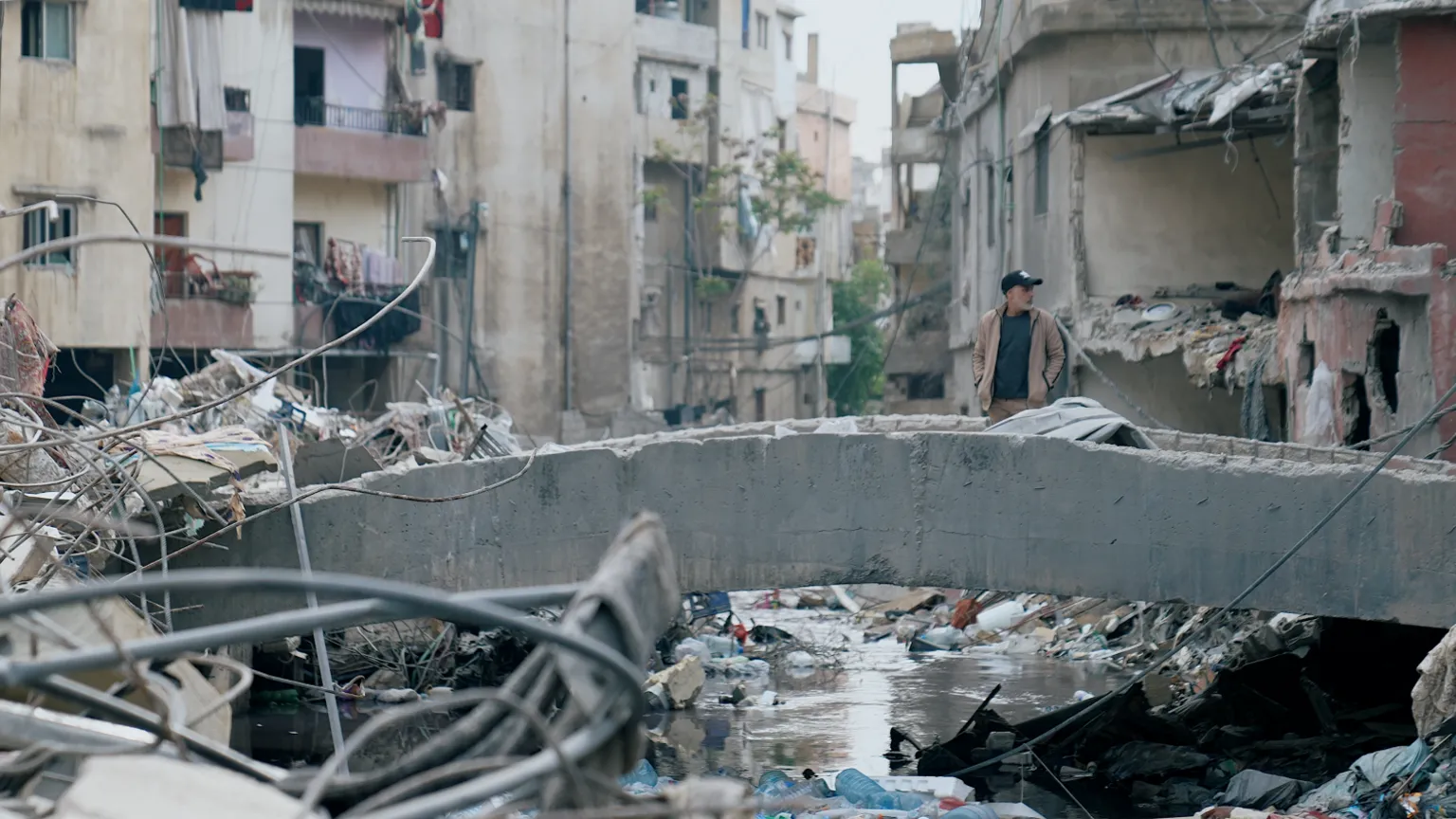
Israeli media reports identified Ali Mohammed Ghulam Dahini, described as a senior Hezbollah figure, among those killed in Hay el Sellom, though the claim could not be independently verified.
In central Beirut, the neighbourhood of Corniche al Mazraa was struck for the first time since the current conflict began. Two bombs hit a confectionary company’s warehouse at precisely 14:15, killing 16 people in the immediate area. Among those caught in the chaos was Noha, a fitness instructor working seven storeys above street level in a nearby gym when the explosions shook the building. The strikes marked a significant geographic expansion of the Israeli campaign into parts of the capital previously untouched by the war.
Further south, in Sidon, bombs flattened the al Zahraa religious complex, a Hezbollah-affiliated site. Among the dead were Rahma, 27, and Rayan, 22, as well as Sheikh Sadiq Naboulsi, the complex’s cleric, and Mohammed Ma’ani, identified as a senior Hezbollah official in the group’s liaison and coordination unit. Of the nine other individuals reported killed at al Zahraa, seven have been identified as civilians.

The timing of the strikes carried significant diplomatic weight. Earlier on 8 April, the United States and Iran announced a temporary ceasefire — a development that underscored the broader regional tensions into which Lebanon has been drawn. Hezbollah had fired rockets into Israel on 2 March in response to joint US and Israeli attacks on Iran, further entangling the Lebanese militant group in a conflict extending well beyond Lebanon’s borders.
Israel Strikes Lebanon: Regional Implications
The sheer speed and breadth of the 8 April operation — 100 targets neutralised in ten minutes — reflected a level of coordinated military planning designed to overwhelm Lebanese air defences and response capabilities simultaneously. The Lebanese health ministry’s figures, if accurate, would make the day one of the most lethal single episodes of the conflict, surpassing previous high-casualty events that had already strained the country’s battered medical infrastructure.
Lebanon, already weakened by years of economic collapse and political paralysis, has struggled to absorb the human and material toll of the ongoing conflict. Hospitals in Beirut and Sidon were reported to be overwhelmed in the hours following the strikes, with medical teams working under severe resource constraints to treat the more than 1,000 wounded.
The international community has yet to issue a unified response to the scale of the 8 April strikes. With a US-Iran ceasefire now nominally in place, pressure may mount on all parties to prevent further escalation — though the destruction visited upon Lebanon on that single afternoon has already left an indelible mark on the country and its people.