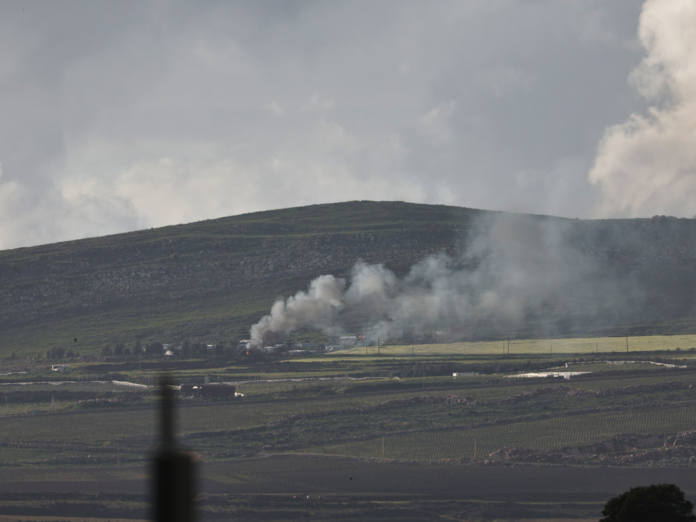
Four Israeli soldiers were killed and several others wounded in combat in southern Lebanon on Tuesday, as Israel pressed forward with an expanding offensive that has now opened a new front in the Bekaa Valley and drawn in United Nations peacekeepers among the casualties.
The Israeli military confirmed the deaths, noting that three of the four soldiers belonged to the same battalion. One additional soldier who died in the same incident had not yet been publicly named. Two others sustained wounds — one severely, one a reservist with moderate injuries. The toll brings the number of Israeli soldiers killed since fighting with Hezbollah began on March 2 to at least ten.
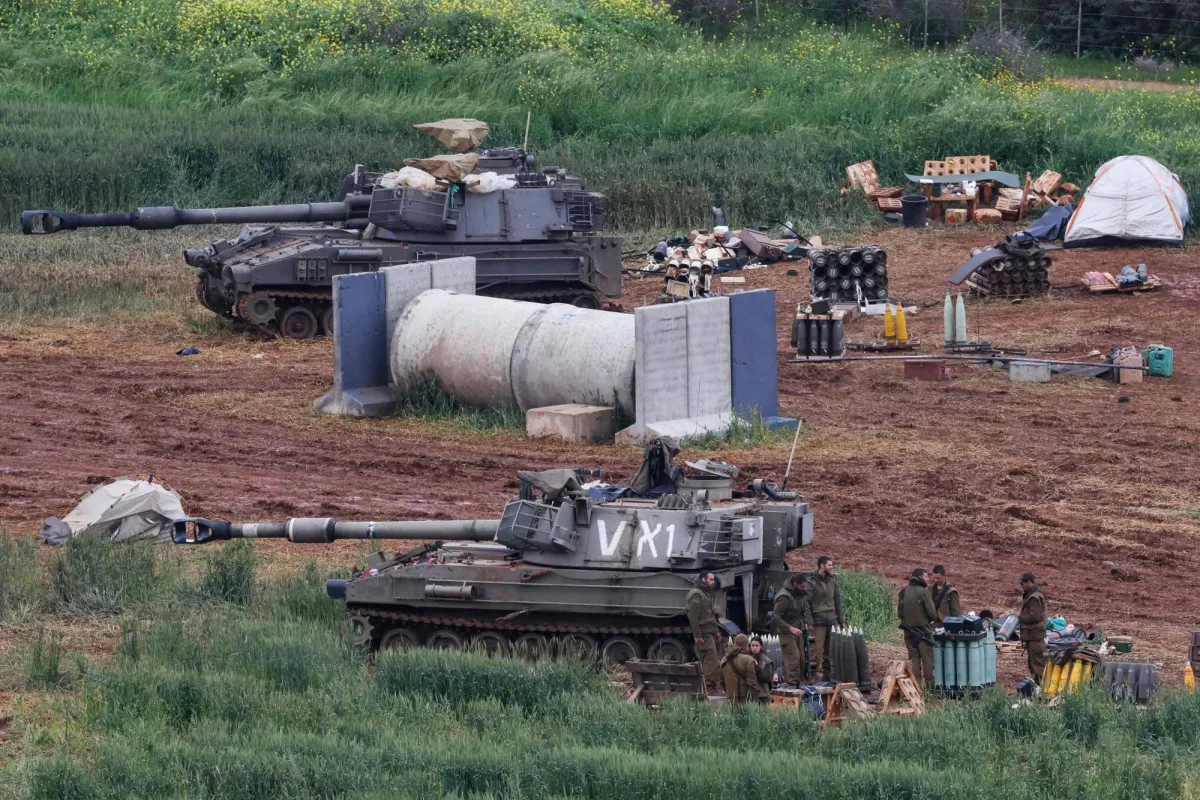
The conflict erupted after a joint United States-Israeli attack on Iran, prompting Hezbollah to fire rockets across the Lebanese border in solidarity with Tehran. Israel responded with a ground and air offensive that has since intensified dramatically. On Monday, Prime Minister Benjamin Netanyahu ordered the military to expand its invasion, directing forces to push deeper into southern Lebanon to establish a buffer zone extending to the Litani River. Overnight, Israeli forces opened a new front in the Bekaa Valley, targeting roads linking towns considered Hezbollah strongholds.
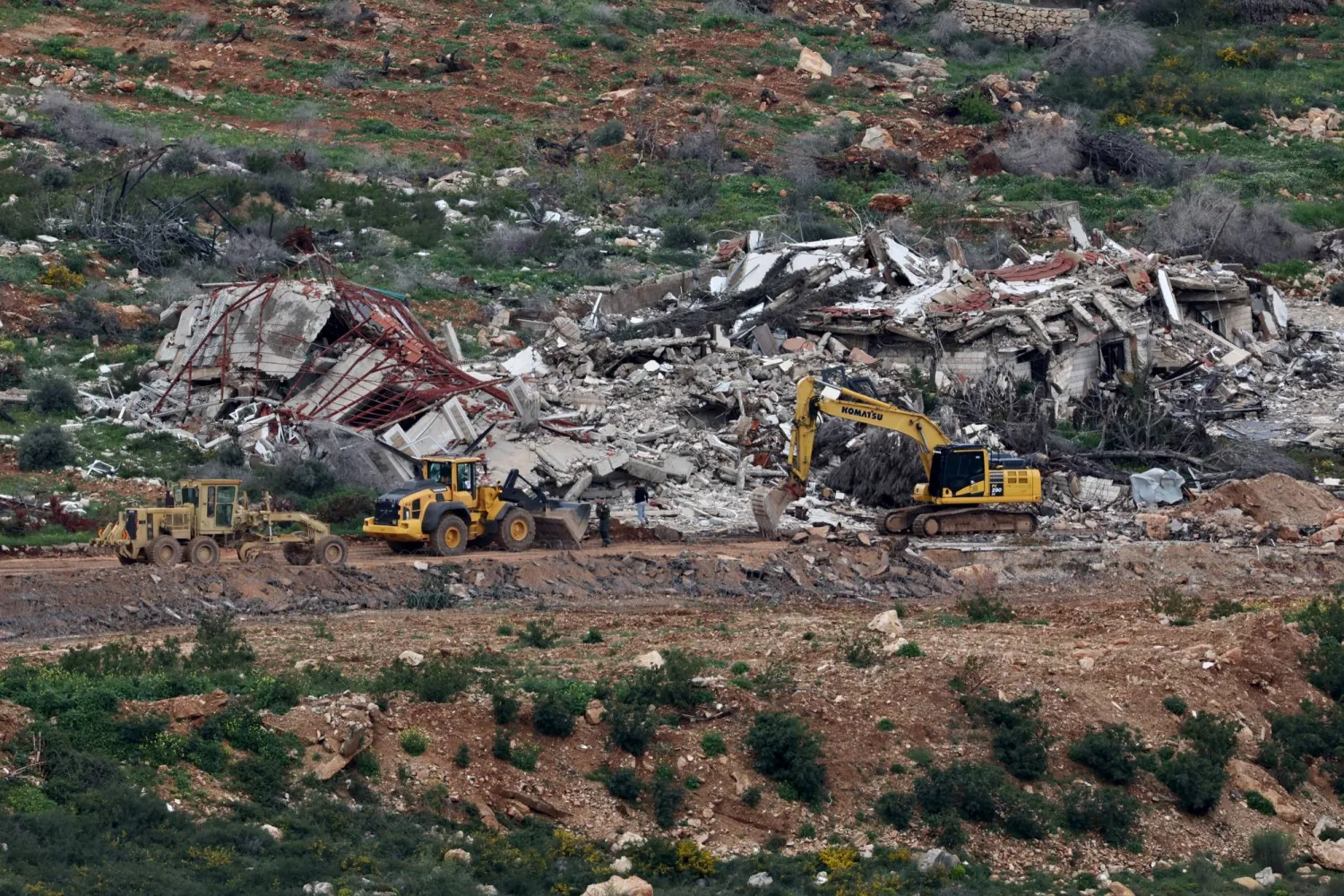
Israeli drone strikes on Tuesday killed four people in southern Lebanon. Two died when a drone struck a vehicle in the al-Wasita Al-Qasimiya area near Tyre, and two more were killed in a separate raid on Derikifa. The military is also destroying bridges and homes across the south in what analysts describe as a deliberate effort to sever the region from the rest of the country.
The human cost to Lebanon’s civilian population has been severe. The Lebanese Ministry of Public Health reports more than 1,240 people killed in Israeli strikes since the conflict began, among them more than 120 children, nearly 80 women, and dozens of paramedics. Lebanese journalists and medical workers were also among those killed during a particularly deadly weekend. More than one million people have been displaced across the country.
The conflict claimed its first United Nations peacekeeping fatalities this week. Three Indonesian soldiers serving with UNIFIL — the UN Interim Force in Lebanon — were killed in two separate incidents in the south. On Sunday night into Monday, an Indonesian peacekeeper died when a projectile exploded near a position close to the village of Adchit al-Qusayr, with another critically injured in the same blast. That death marked the first UNIFIL fatality since the current war began. The following day, two more Indonesian peacekeepers were killed when an explosion of unknown origin destroyed their vehicle near the village of Bani Hayyan; two other soldiers were wounded in that incident.
Hezbollah Secretary-General Naim Qassem acknowledged the group faces a significant military disadvantage. Rather than attempting to halt the Israeli advance outright, Qassem said Hezbollah’s strategy is to make the invasion as costly as possible for Israeli forces. On Sunday alone, six Israeli soldiers were wounded in separate incidents — three seriously and three moderately — in attacks involving a drone strike, an anti-tank missile, and an operational incident.
The political dimensions of the campaign are growing increasingly stark. Finance Minister Bezalel Smotrich, a leading figure among Israel’s far-right coalition partners, declared that the war in Lebanon must conclude with a change to Israel’s borders. Other far-right ministers have gone further, openly urging Netanyahu to annex southern Lebanon. Israeli officials have suggested the military campaign could evolve into a prolonged occupation, a prospect that has alarmed international observers.
Netanyahu has also signalled that diplomatic developments will not constrain Israel’s military objectives. He told senior American officials that any future agreement between Washington and Tehran would not bring Israel’s campaign in Lebanon to a halt. The broader US-Israel war against Iran has killed more than 1,340 people since February 28, according to available figures.
With Israeli forces widely expected to reach the Litani River in the coming days, the conflict shows no sign of abating. The combination of escalating ground operations, rising civilian casualties, and the deaths of UN peacekeepers is intensifying pressure on the international community to respond — though a clear diplomatic path to de-escalation has yet to emerge.