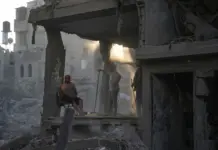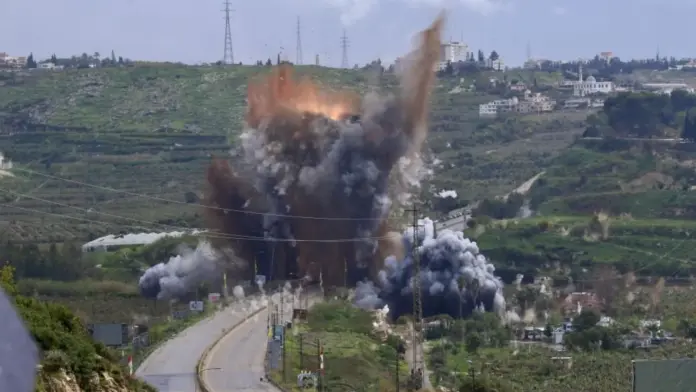
Israeli Defence Minister Israel Katz announced Tuesday that the Israel Defense Forces will establish permanent control over a broad security zone in southern Lebanon, stretching northward to the Litani River — roughly 30 kilometres from the Israeli border — in what officials describe as a necessary defensive measure to protect communities in northern Israel from future Hezbollah attacks.
The declaration represents one of the most significant shifts in Israeli military posture along its northern frontier in decades. Katz stated that Israeli forces had been instructed to destroy all bridges spanning the Litani River and to accelerate the demolition of Lebanese houses near the border boundary. Five bridges previously used by Hezbollah for the movement of fighters and weapons have already been destroyed, the minister confirmed.
Hundreds of thousands of Lebanese civilians displaced by the conflict will not be permitted to return to areas south of the Litani until Israel determines that security for residents of northern Israel has been fully ensured. Lebanon’s President Joseph Aoun swiftly condemned the announcement, describing the Israeli plans as a ‘policy of collective punishment against civilians.’
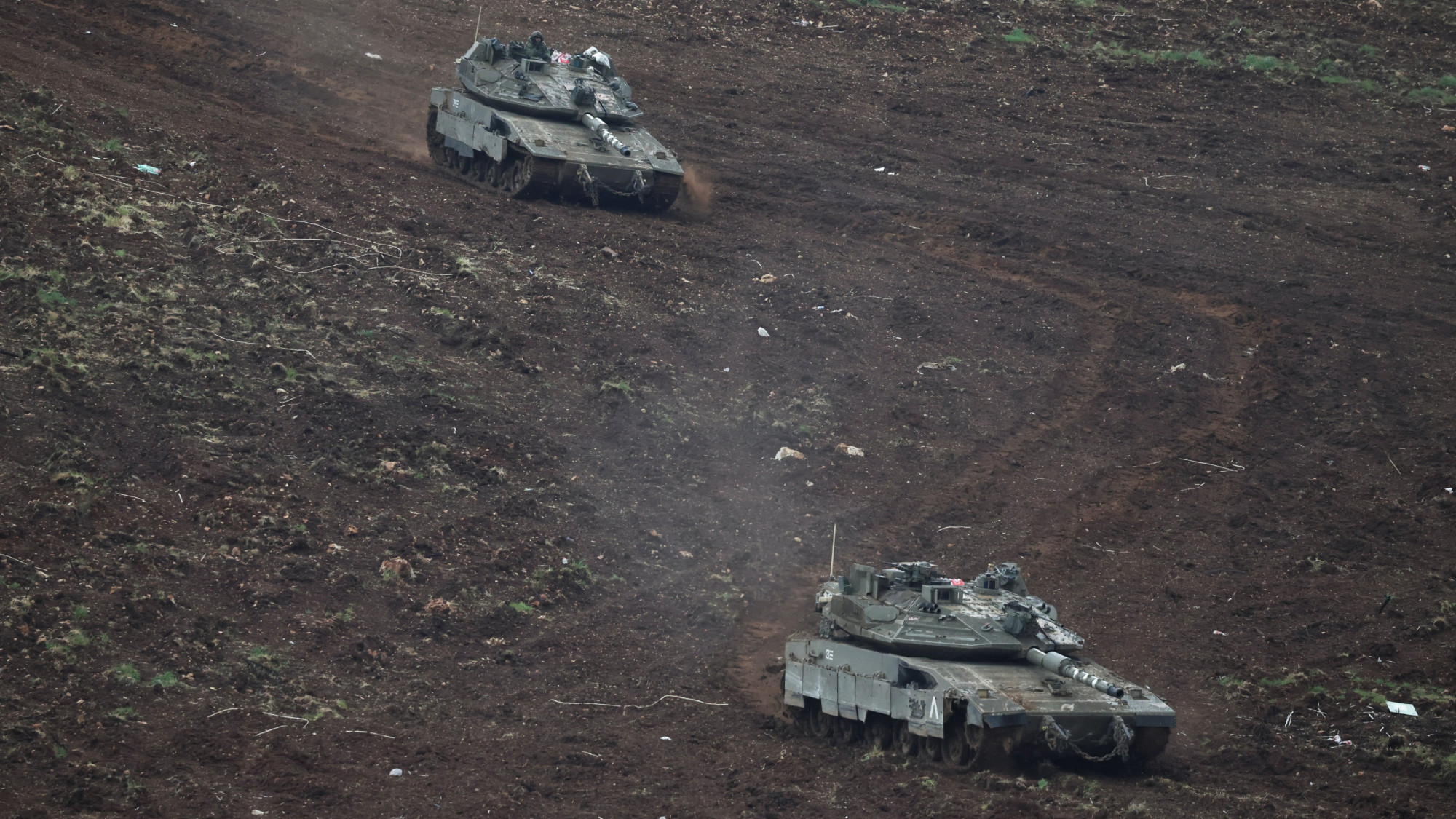
The operation follows a ceasefire agreement reached in November 2024, yet cross-border hostilities have continued to intensify. Hezbollah fired rockets into northern Israel in retaliation for the killing of Iran‘s supreme leader, with Defence Minister Katz accusing the group of acting as a direct proxy for Tehran. Katz vowed that Israeli forces would continue operating ‘with full force’ until security along the border is guaranteed.
The human cost of the conflict has been severe. The Lebanese health ministry reports more than 1,000 people killed, including at least 118 children and 40 health workers. Over one million people have been displaced across the country, with southern Lebanon — the heartland of Lebanon’s Shia Muslim community and Hezbollah’s primary support base — bearing the heaviest toll.
Israeli officials have drawn explicit comparisons between the southern Lebanon operation and military campaigns conducted in the Gaza Strip. The IDF’s approach mirrors the model applied in Rafah and Beit Hanoun, two major population centres in Gaza that have been largely destroyed by air strikes and remain under Israeli military control. The parallel has alarmed international observers and Lebanese officials alike.
The ambitions of some Israeli officials extend even further. Finance Minister Bezalel Smotrich told the Knesset that the war in Lebanon should conclude with ‘radical change,’ including the creation of what he called a ‘sterile security cordon’ deep inside Lebanese territory. Smotrich proposed that the Litani River become Israel’s effective new border with Lebanon, drawing a direct comparison to the unilaterally imposed ‘Yellow Line’ inside Gaza — a military boundary that has since expanded to cover more than half the strip — and to Israel’s occupation of Mount Hermon in Syria, seized following the fall of Bashar al-Assad in 2024.
Israel has never formally defined its borders with Lebanon, Syria, or the Palestinian territories. Its current boundaries are demarcated by ceasefire agreements dating to 1949 and 1967, a legal ambiguity that critics argue enables the incremental expansion of military control under the guise of security necessity.
The Lebanese government has pledged to disarm Hezbollah as part of its obligations under the ceasefire framework, but the militant group has flatly refused to engage on the question of its weapons. Katz dismissed Beirut’s efforts, stating the Lebanese government had done ‘nothing’ to fulfil its disarmament commitments — a charge the government disputes.
Hezbollah was founded in the 1980s in direct response to an earlier Israeli occupation of Lebanon during the country’s 15-year civil war. That history lends particular weight to the current moment: Israel’s announcement of a sustained military presence south of the Litani echoes the conditions that originally gave rise to the organisation it now seeks to permanently neutralise. Whether the buffer zone strategy succeeds in delivering lasting security — or deepens the cycle of conflict — remains the central question confronting the region.