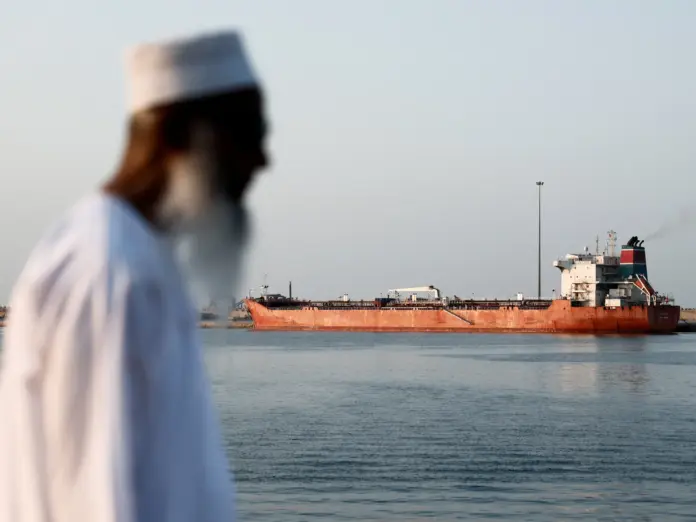
Nearly 2,000 vessels sit stranded on either side of the Strait of Hormuz as Iran enforces an unprecedented toll regime over one of the world’s most critical energy corridors, sending Brent crude above $104 per barrel — a surge of more than 40 percent since the United States and Israel launched military operations against Iran on February 28.
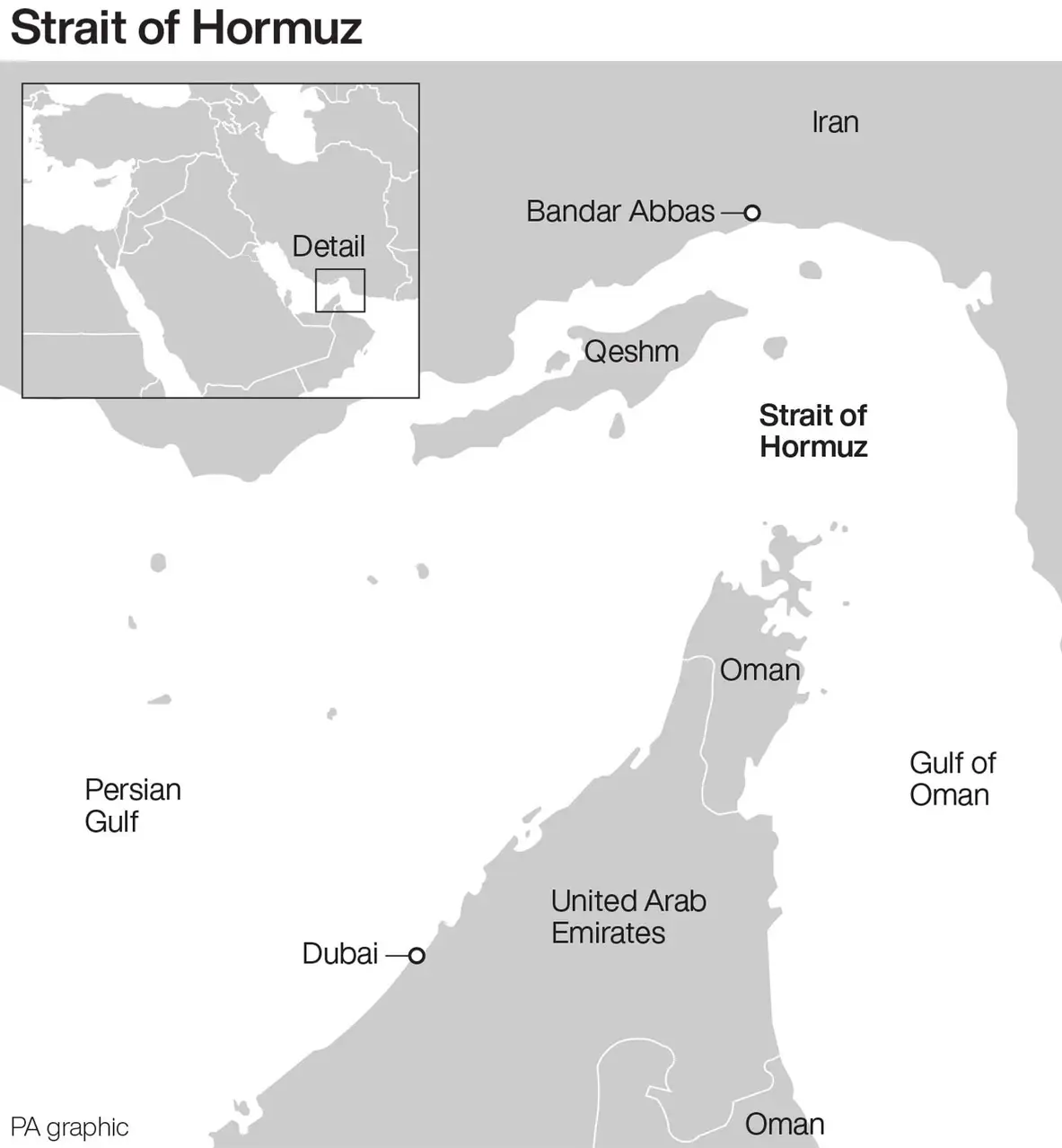
The Strait of Hormuz, a narrow chokepoint just 21 nautical miles wide at its tightest point, separates Iran to the north from Oman and the United Arab Emirates to the south. In peacetime, it carries roughly 20 percent of all globally traded oil and liquefied natural gas. That flow has now been reduced to a trickle, with only 16 crossings recorded by vessels operating with their Automatic Identification System switched on during the week ending March 16. Maritime intelligence firm Windward additionally identified eight so-called ‘dark ships’ — vessels exceeding 290 metres in length — operating in the strait with their tracking systems disabled.
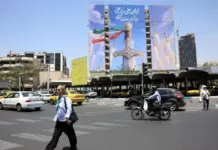
The Islamic Revolutionary Guard Corps has formalised what analysts are calling a de facto toll booth regime. Vessel operators seeking passage must submit documentation including the ship’s IMO number, full cargo details, crew names, and final destination. Iranian lawmaker Alaeddin Boroujerdi confirmed that some vessels have already been charged $2 million for safe transit. A separate parliamentary effort, led by lawmaker Mohammadreza Rezaei Kouchi, is advancing legislation to codify the fee structure. According to Lloyd’s List Intelligence, 26 vessel transits over the past two weeks followed routes pre-approved under the IRGC system, and at least two of those ships paid their tolls in Chinese yuan.
Iran has declared the strait open to all nations except the United States and its allies. Ships from China, India, Malaysia, Egypt, and South Korea have been permitted to pass following negotiations with Iranian authorities. Two Indian vessels carrying more than 92,600 tonnes of liquefied petroleum gas successfully transited the strait and were expected to reach India between Thursday and Saturday.
The IRGC navy commander, Commodore Alireza Tangsiri, had been the public face of the enforcement operation — turning back at least one vessel, a container ship named Selen, for failing to comply with the new protocols. Israel announced Wednesday night that an air strike had killed Tangsiri along with other senior officers of the IRGC naval command. Israeli Defence Minister Israel Katz confirmed the strike, describing it as a targeted elimination of the naval leadership overseeing Hormuz operations.
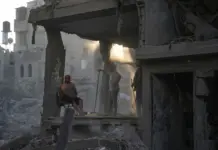
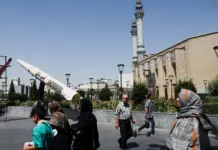
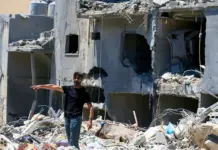
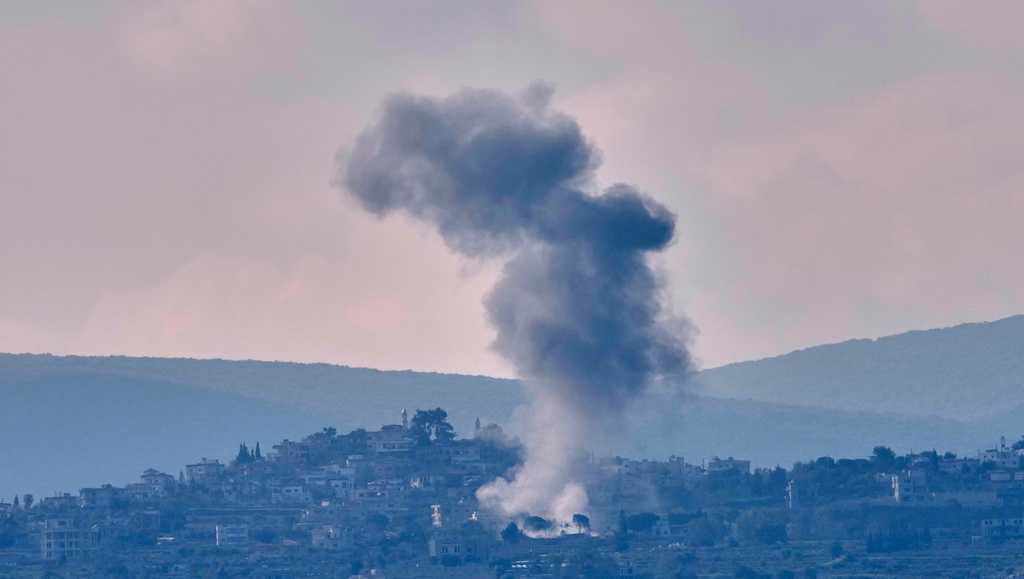
Israeli strikes continued into Thursday, with air defence systems activated over Tehran and heavy bombardment reported around Isfahan, a city approximately 205 miles south of the capital that hosts a major Iranian air base and several military installations. The strikes form part of a broader campaign that US Navy Admiral Brad Cooper said has struck more than 10,000 targets since February 28. Cooper stated that US forces have destroyed 92 percent of Iran’s largest warships and more than two-thirds of its missile, drone, and naval production facilities.
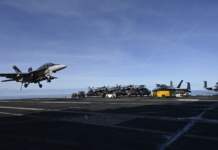
American military reinforcements continue to flow toward the region. The USS Tripoli strike group, carrying approximately 2,500 Marines, is approaching the Middle East, while at least 1,000 paratroopers from the 82nd Airborne Division have been ordered to the theatre.
The economic fallout is reverberating globally. German Defence Minister Boris Pistorius called the conflict a catastrophe for the world’s economies. Sultan al-Jaber, chief executive of Abu Dhabi’s state oil company ADNOC, labelled Iran’s restriction of Hormuz passage as ‘economic terrorism.’ The Gulf Co-operation Council — comprising Bahrain, Kuwait, Oman, Qatar, Saudi Arabia, and the United Arab Emirates — has also accused Iran of illegally charging for safe passage, with Secretary-General Jasem Mohamed al-Budaiwi condemning the practice.
The legal basis for Iran’s actions remains contested. The Strait of Hormuz is narrower than 24 nautical miles, meaning both Iranian and Omani territorial waters — each extending 12 nautical miles under the UN Convention on the Law of the Sea — overlap in the passage. While Iran is a signatory to UNCLOS, its parliament has never ratified the treaty, leaving its legal obligations ambiguous. International Maritime Organization Secretary-General Arsenio Dominguez has flagged the crisis, noting the scale of vessel congestion on both sides of the strait.
Iran has set the international recognition of its authority over the Strait of Hormuz as one of five conditions for ending the war. Tehran’s Foreign Minister Abbas Araghchi denied that his government has engaged in any formal talks to end the conflict, even as Pakistan’s top diplomat Ishaq Dar confirmed that indirect US-Iran communications are ongoing through Islamabad. US envoy Steve Witkoff acknowledged that Washington presented a 15-point action list to Iran via Pakistan, with the reopening of the strait listed among the demands.
The Hormuz toll system draws uncomfortable comparisons to a precedent set by Yemen’s Houthis. A UN Security Council report from October 2024 alleged that the Houthis had been charging vessels transiting along Yemen’s coastline, generating an estimated $180 million per month in illegal safe-transit fees. Iran’s emerging regime now threatens to dwarf that operation in both scale and global consequence.