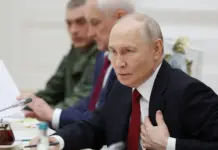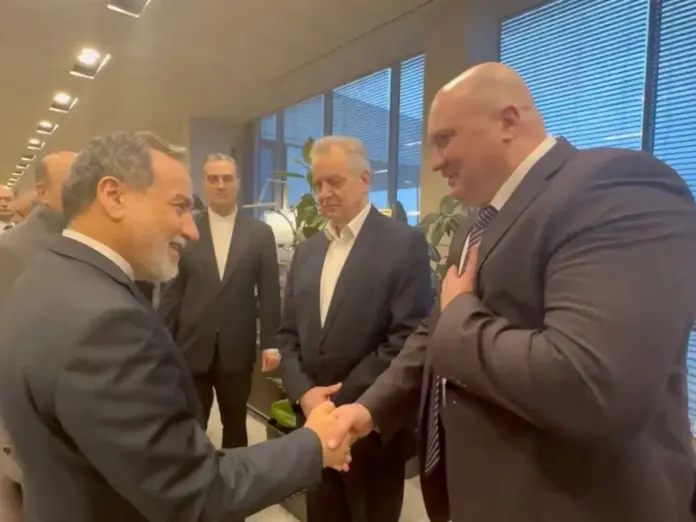
MOSCOW — Iranian Foreign Minister Abbas Araghchi arrived in Moscow on Monday for a meeting with Russian President Vladimir Putin, as a ceasefire between the United States and Iran showed deepening signs of strain and diplomatic efforts to prevent a return to open conflict intensified across multiple capitals.
Araghchi described the visit as a continuation of close consultations between Tehran and Moscow on regional and international developments, framing his meeting with Putin as an opportunity to assess the current state of the conflict and chart a path forward. The Moscow stop followed a visit to Muscat, where Araghchi held talks with Omani officials — part of a broader diplomatic circuit that has seen Pakistan and Oman emerge as key backchannel intermediaries.
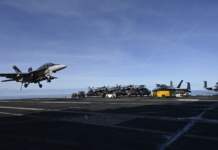
The ceasefire agreed on April 8, mediated by Pakistan following more than a month of fighting that began with US and Israeli strikes on Iran, has grown increasingly fragile. Disputes over shipping through the Strait of Hormuz and a US naval blockade on Iranian ports have placed the agreement under severe stress. US Central Command (CENTCOM) confirmed that American forces are continuing to enforce the blockade, having directed 38 vessels to turn around or return to port, preventing ships from entering or leaving Iranian waters.
Iranian President Masoud Pezeshkian has drawn a firm line, stating that Tehran will not enter any negotiations while the blockade remains in place. The position has effectively frozen diplomatic progress, even as Araghchi characterised earlier discussions in Islamabad as "very productive" and said they included a review of the conditions under which US-Iran talks could resume.
In Washington, President Donald Trump abruptly cancelled plans to send Special Envoy Steve Witkoff and senior adviser Jared Kushner to Islamabad for direct talks with Iranian representatives on Saturday. Trump attributed the decision to what he called "tremendous infighting and confusion" within Tehran’s leadership — a characterisation that signals deepening scepticism in the White House about Iran’s capacity to negotiate in a unified voice. Trump also remarked that Iran had "offered a lot, but not enough," suggesting the two sides remain apart on core issues despite months of indirect engagement.
The cancellation dealt a significant blow to momentum that Pakistani officials had been carefully cultivating. Islamabad had positioned itself as a credible neutral venue for dialogue, and Pakistani diplomats expressed continued hope that a negotiated resolution remained achievable. A diplomatic source familiar with the talks indicated that recent escalations had reinforced the view among mediators that a permanent end to hostilities — not merely a temporary pause — was the only viable long-term outcome.
Complicating the picture further is a parallel conflict involving Israel and Lebanon, which diplomats warn could derail any broader de-escalation framework. The interconnected nature of regional tensions means that progress on the US-Iran front remains vulnerable to flashpoints elsewhere, particularly given Israel’s continued military posture and its role in the strikes that initially triggered the conflict with Iran.
Araghchi’s decision to visit Moscow before any resumed contact with American intermediaries underscores the degree to which Tehran is consolidating its strategic partnerships as leverage in any future negotiations. Russia, which has maintained close ties with Iran throughout the conflict, is well-positioned to serve as both a sounding board and a potential diplomatic actor should talks with Washington resume.
The Strait of Hormuz dispute remains the most immediate flashpoint. The waterway, through which a significant share of global oil supplies passes, has become a focal point of the standoff, with the US blockade effectively weaponising maritime access as a pressure tool. Tehran views the blockade as a violation of the ceasefire’s spirit, while Washington insists it is a legitimate enforcement mechanism.
With direct US-Iran dialogue suspended, the burden of preventing a return to open warfare now rests heavily on the shoulders of Oman and Pakistan — two nations with limited military leverage but considerable diplomatic credibility in both Tehran and Washington. Whether that credibility proves sufficient, as Araghchi shuttles between Muscat and Moscow and Trump signals impatience with Iranian decision-making, remains the defining question of a crisis that shows no clear path to resolution.