Diplomatic efforts to end the US-Israeli war with Iran have collapsed into open recrimination, with President Donald Trump rejecting Tehran’s latest peace overture and cancelling a high-profile envoy mission to Pakistan, as the 58-day conflict continues to drive energy prices to multi-year highs and fuel global inflation.
Trump announced he had scrapped a planned visit to Islamabad by senior envoys Steve Witkoff and Jared Kushner, dismissing the trip as too costly in time and resources given what he characterised as an inadequate Iranian offer. Writing on Truth Social, Trump declared that Washington held all the leverage in the standoff, stating ‘we have all the cards, they have none,’ and alleged there was ‘tremendous infighting and confusion’ within Iran’s leadership.
The cancellation came just days after Iranian Foreign Minister Abbas Araghchi departed Pakistan following intensive consultations with regional mediators, during which he presented a potential framework for ending hostilities. Araghchi subsequently travelled to Oman before indicating he would return to Pakistan on Sunday and then proceed to Russia — a diplomatic circuit underscoring Tehran’s efforts to build international support for its position.
Iranian President Masoud Pezeshkian drew a firm red line in a phone call with Pakistani Prime Minister Shehbaz Sharif, insisting that Tehran would not enter what he described as ‘imposed negotiations’ conducted under threats or economic siege. Pezeshkian made clear that the United States must remove its blockade on Iranian ports as a precondition for any meaningful dialogue — a demand Washington has shown no sign of meeting.
Araghchi also held separate diplomatic conversations with Egyptian Foreign Minister Badr Abdelatty and Turkish Foreign Minister Hakan Fidan, covering both ceasefire prospects and broader regional stability. The flurry of contacts reflects Iran’s strategy of internationalising the diplomatic track even as direct engagement with Washington remains frozen.
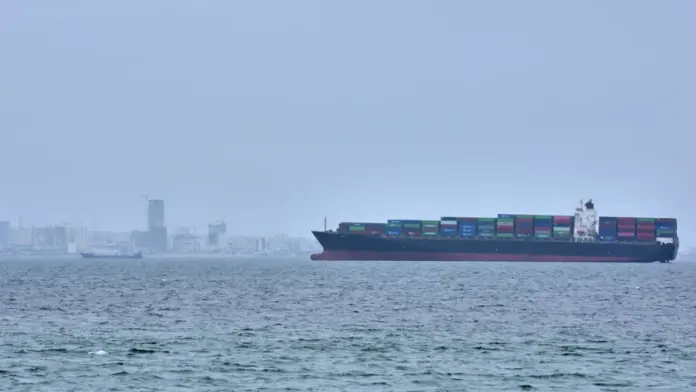
On the economic front, the prolonged conflict has sent shockwaves through global energy markets. Prices have surged to levels not seen in years, compounding inflationary pressures that are straining household budgets across multiple continents. Adding to the financial pressure on Tehran, US Central Command intercepted a sanctioned vessel identified as the Sevan, which formed part of a 19-ship shadow fleet used to transport Iranian oil and gas products to foreign buyers in circumvention of international sanctions.
Domestically, Iran carried out the execution of a man convicted of membership in the armed group Jaish al-Adl, a move that signals the government’s continued hard line on internal security threats even as it navigates the pressures of an active external conflict.
The diplomatic paralysis over Iran coincides with renewed Israeli military activity in Lebanon, where a three-week ceasefire is showing serious signs of strain. Prime Minister Benjamin Netanyahu ordered strikes against Hezbollah targets, and two Israeli raids on a truck and motorcycle in the Yohmor al-Shaqif area of the Nabatieh district killed four people. Israeli forces also demolished buildings in the southern Lebanese city of Bint Jbeil, operations that risk unravelling the fragile truce that had offered a measure of calm to the region.
In Washington, an unrelated incident briefly overshadowed the diplomatic turmoil when gunshots were heard near the White House Correspondents’ Dinner on Saturday, prompting the evacuation of the president. Trump was quick to distance the incident from the Iran conflict, describing it as entirely unconnected to the ongoing war.
With negotiations stalled, mediators exhausted, and military operations continuing on multiple fronts, the path toward a negotiated settlement appears increasingly narrow. Iran’s insistence on preconditions, combined with Trump’s public dismissal of Tehran’s proposals and his confidence in American leverage, suggests both sides remain far from the compromises that any durable ceasefire would require.