A sustained Iranian missile and drone assault on Prince Sultan Air Base in Saudi Arabia wounded at least 15 American soldiers on Friday, with five sustaining serious injuries, as a conflict between the United States, Israel, and Iran ground through its 29th day with no sign of abatement.
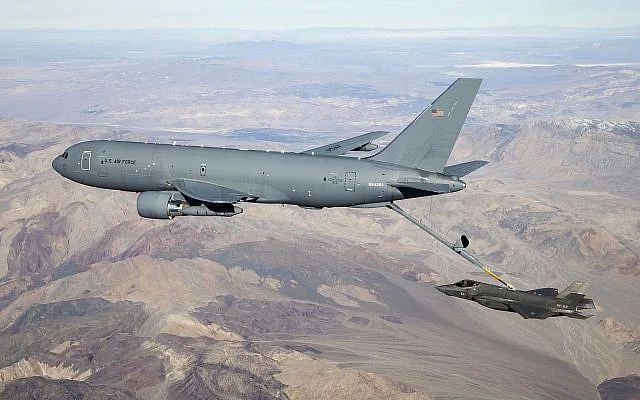
The attack involved at least six ballistic missiles and 29 drones, striking the base approximately 96 kilometres south of Riyadh. American soldiers were inside a building when it was hit. Ebrahim Zolfaghari, spokesperson for Iran’s central military headquarters, confirmed that one refuelling aircraft was completely destroyed in the strike and three additional refuelling aircraft were damaged and rendered inoperable.
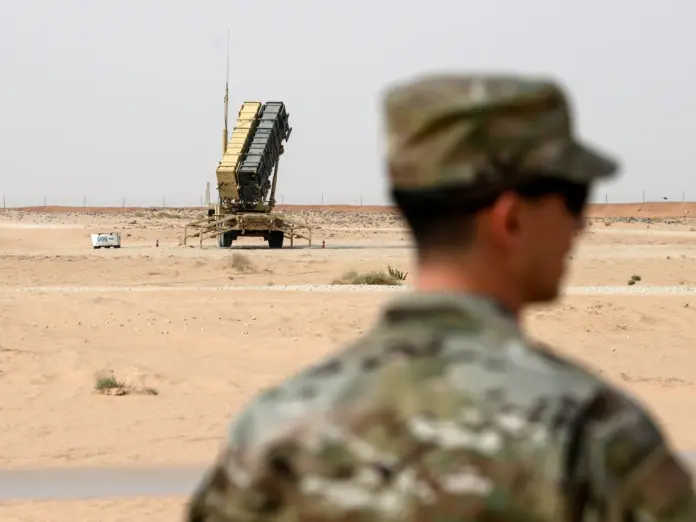
The base, operated by the Royal Saudi Air Force but home to between 2,000 and 3,000 US troops at any given time, has become a recurring target. An earlier attack earlier in the week wounded 14 American soldiers, and Saudi forces have previously intercepted several Iranian projectiles fired in the vicinity. The majority of US personnel stationed there are involved in missile defence systems and logistical support operations.
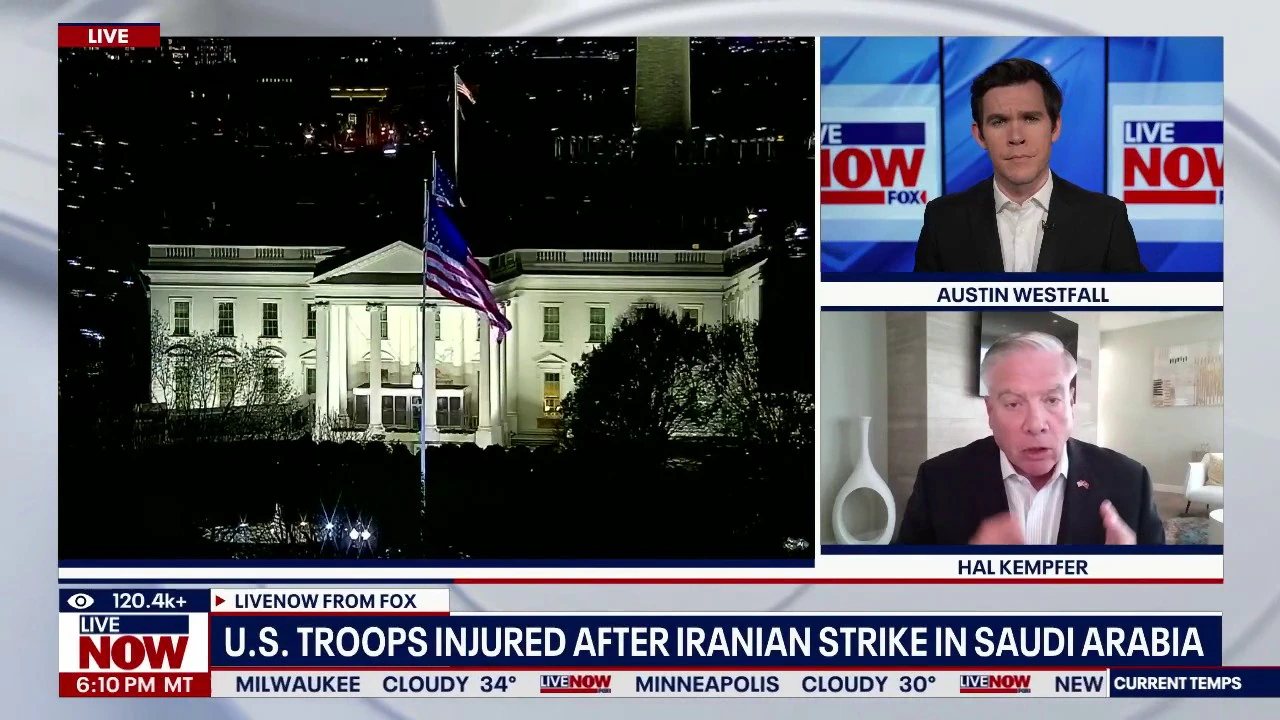
US Navy Captain Tim Hawkins noted that the vast majority of injuries sustained across the conflict have been minor and that most wounded troops have already returned to duty. A US official indicated, however, that 10 troops remained seriously wounded as of the latest assessment. The Pentagon and US Central Command did not immediately respond to requests for comment on Friday’s attack.
The strike on Prince Sultan Air Base was not the only flashpoint on Friday. A joint US-Israeli operation struck Iran’s Bushehr nuclear power plant — the third such strike in ten days. The Atomic Energy Organization of Iran reported no material damage, no casualties, and no technical disruption at the site, though independent verification of conditions inside Iran remains impossible due to severe reporting restrictions.
Iran broadened its retaliatory reach on Saturday, claiming it had targeted a US support vessel near the port of Salalah in Oman, further signalling Tehran’s intent to strike American assets across the broader Gulf region.
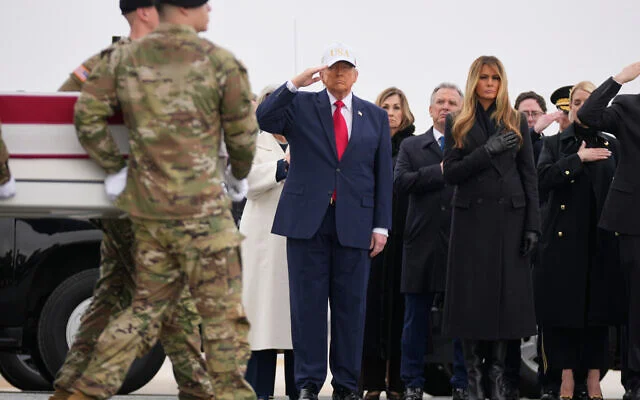
The human cost of the conflict continues to mount on both sides. Since joint US-Israeli operations against Iran commenced on February 28, at least 13 American military service members have been killed — seven in the Gulf region and six in Iraq — while more than 300 US troops have been wounded in total. On the Iranian side, HRANA, a US-based human rights activist group, reported on March 23 that approximately 1,167 Iranian soldiers had been killed and the status of a further 658 troops remained unknown. Iran’s government has not released an updated official casualty toll.
The conflict has sent economic shockwaves well beyond the battlefield. Gas prices have continued to climb throughout the fighting, and President Donald Trump extended his deadline for Iran to reopen the Strait of Hormuz, a critical chokepoint for global energy supplies, underscoring the broader economic stakes of a war now reshaping the geopolitics of the Middle East.
Saudi Arabia’s position remains delicate. Riyadh hosts American forces and has actively intercepted Iranian projectiles, yet the kingdom has not formally entered the conflict. Repeated strikes on Prince Sultan Air Base — a facility shared between Saudi and American military personnel — are testing that ambiguity, raising questions about how long the kingdom can absorb Iranian attacks without a more direct response.
With the war entering its second month and no diplomatic off-ramp in sight, the pattern of tit-for-tat strikes on nuclear infrastructure, military bases, and naval assets suggests the conflict is deepening rather than stabilising. The strikes on Bushehr alone — three in ten days — mark a dramatic escalation in the willingness of the US and Israel to target Iranian sovereign territory, while Iran’s expanding target set across Saudi Arabia, Iraq, and now Oman signals a strategy aimed at maximising American exposure across the region.