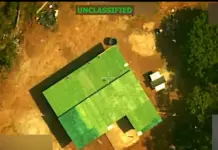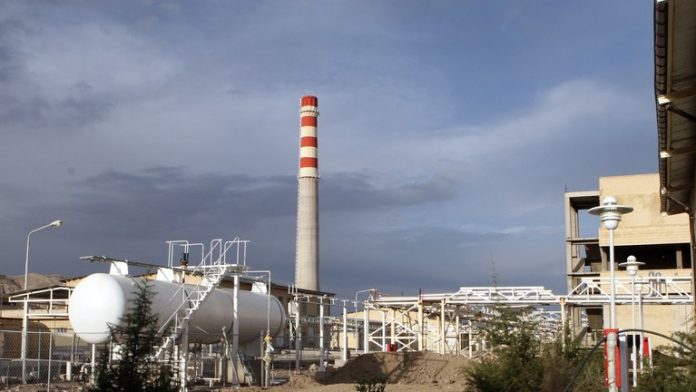
Pulitzer Prize-winning journalist Seymour Hersh alleges that despite US airstrikes on Iran’s nuclear facilities last month, the country’s reserves of highly enriched uranium were not affected. According to US sources, the operation utilized seven B-2 bombers equipped with massive bunker buster bombs, but even then, a complete destruction of Iran’s nuclear capabilities was not expected. One US official mentioned that approximately 400 pounds of uranium enriched to 60% were unaccounted for, and the bombs were unlikely to reach the deeply buried centrifuge chambers. Following the strikes, targeted sites such as Fordow and Isfahan showed no signs of radioactive contamination, suggesting that the enriched uranium had been relocated beforehand.
The Fordow facility, protected underground, was a key target, believed to house significant uranium reserves. However, the journalist reports that US officials consider the exact location of the uranium less critical after the strike purportedly caused substantial damage to a nearby site in Isfahan. The objective was to delay Iran’s potential to develop nuclear weapons, aiming for at least a one-year setback. President Donald Trump stated that the strikes had thoroughly dismantled Iran’s nuclear efforts, while CIA Director John Ratcliffe informed lawmakers of severe damage to multiple sites, predicting lengthy reconstruction times.
Yet, intercepted communications implied that the actual impact was less severe than anticipated. These strikes were part of a joint US-Israeli military initiative started in June, as Israel insisted that Iran was nearing nuclear weapon capability. Hersh suggests Israel benefited most from the operation, despite never officially confirming its possession of nuclear weapons. SIPRI reports that Israel might have up to 90 nuclear warheads.