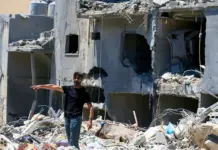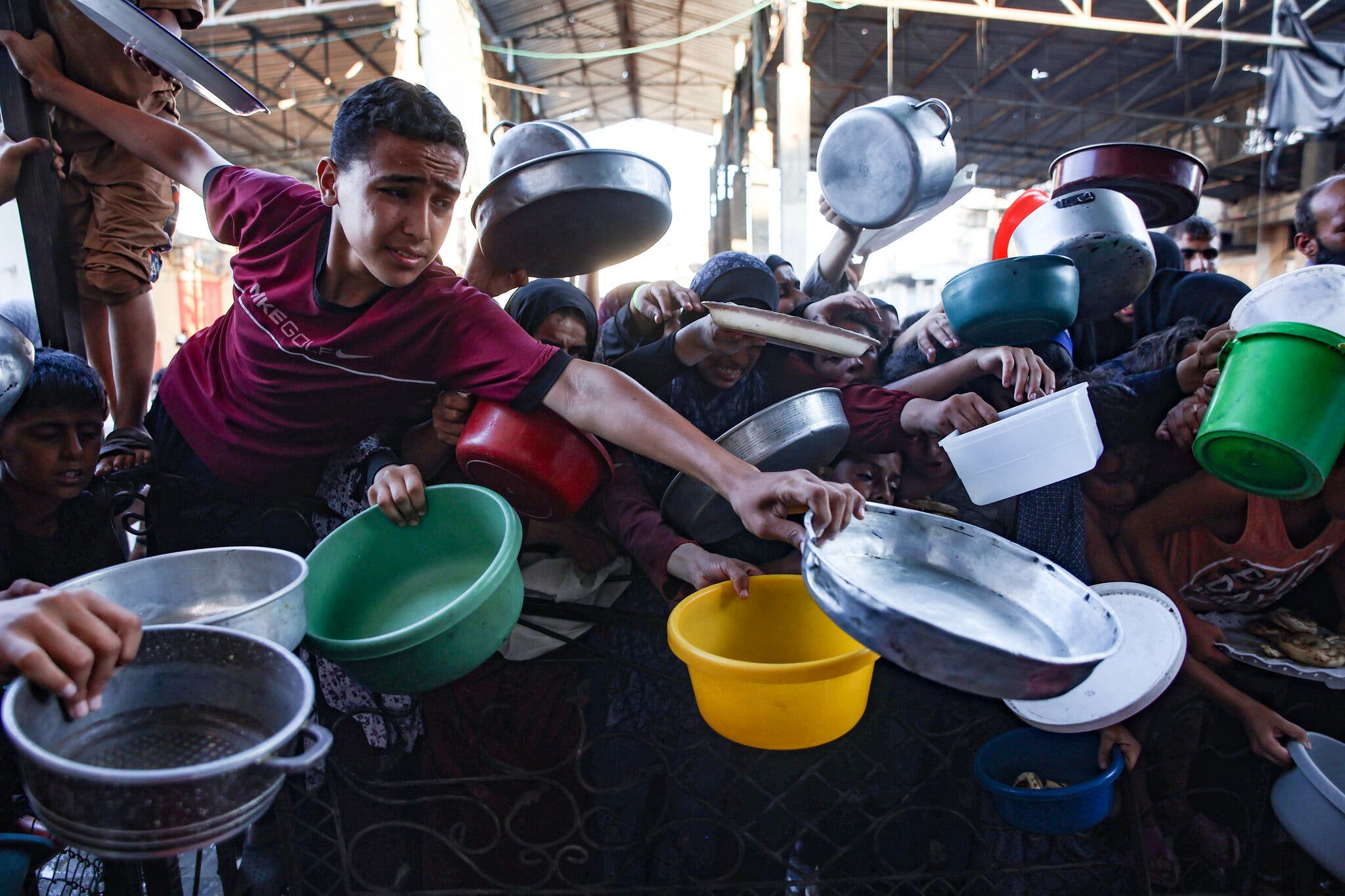
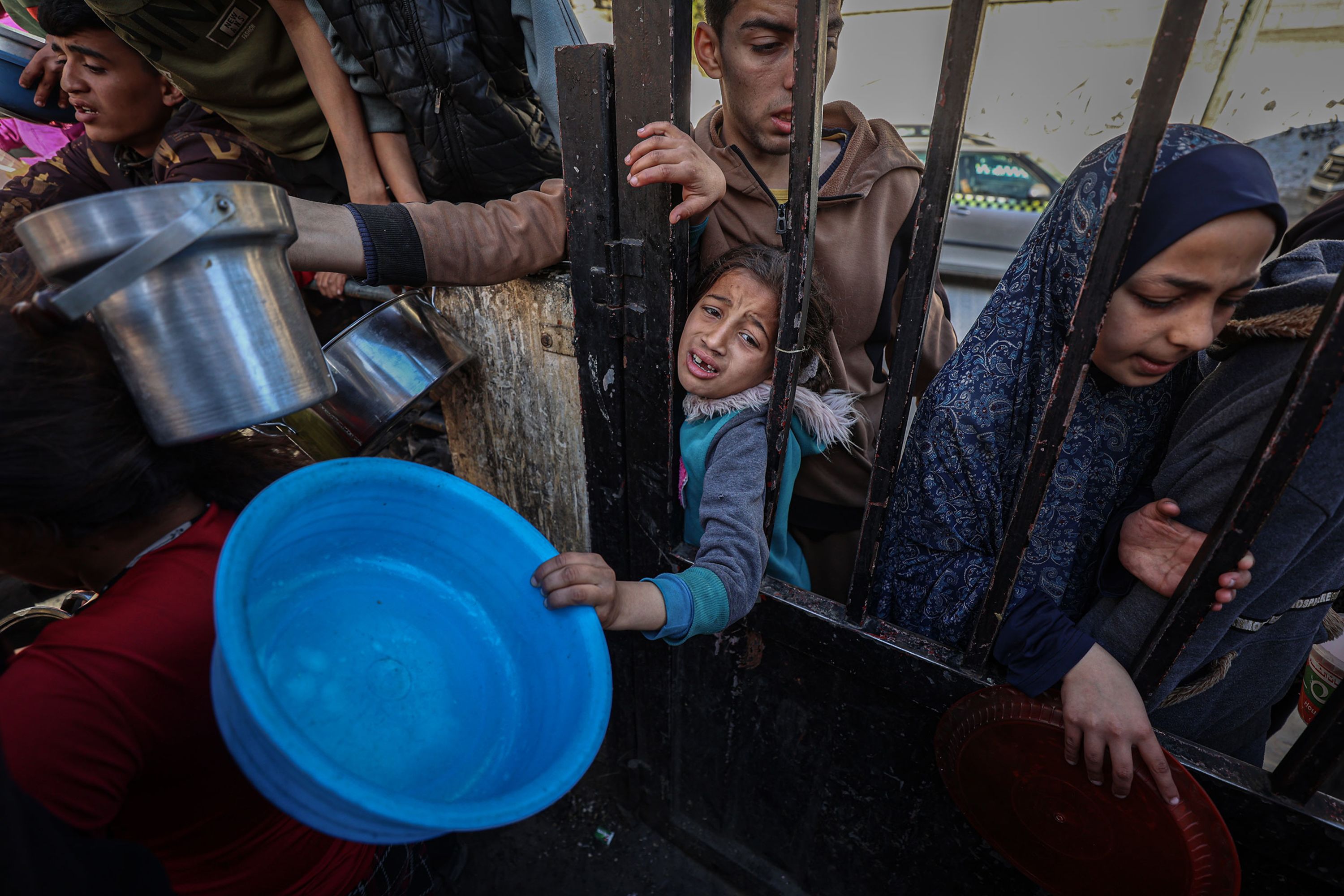
The current situation in Gaza extends beyond a humanitarian disaster and enters the realm of a strategic application of hunger for political and demographic domination. This engineered starvation serves to undermine Palestinian society and amounts to a structural form of genocide. Israel’s military and political forces are not merely relying on traditional methods of warfare like bombardment; they are actively targeting essential resources such as food and water, which are vital for Palestinian survival. This is not accidental damage but a deliberate policy.
According to international reports, over 95 percent of Gaza’s farmland is decimated or unreachable, signifying not just an economic blow but a targeted attack on food independence and future hopes for sovereignty. This destruction is methodical: seeds are restricted, water systems damaged, while farmers and fishers face recurrent aggression under an existing siege. These are calculated efforts to reshape Gaza’s demographic and economic landscape to align with Israel’s strategic objectives of complete control and political domination. The international community’s tacit approval, expressed through silence or ambiguous statements, has normalized starvation as a tool of conflict.
This silence allows Israel to continue its actions unchecked, as these acts are not recognized as war crimes or genocide. Further troubling is how basic necessities like flour, baby formula, and water have been turned into negotiation tools in political and military dealings, underscoring a strategy of exerting control via civilian suffering. By dismantling local resilience and making Gaza reliant on external aid, Israel places Palestinians in a situation where they lose all political and economic agency, reducing them to a state of manoeuvrability and control. The severe food insecurity affecting 100 percent of Gaza’s residents is not just a tragedy; it testifies to the methodical progress of this strategy.
The crisis is not about providing relief to the starving but subduing a population to garner acceptance of a new status quo dictated by the occupiers. Despite these adversities, the resilience of Gaza’s people showcases the moral failure of a global framework that prefers to manage crises rather than pursue accountability. The tragedy is not a natural calamity or governmental breakdown but a deliberate atrocity, overshadowed by international indifference. Meanwhile, civil society organizations and global movements are not passively observing; many, including La Via Campesina, plan to congregate at the 3rd Nyéléni Global Forum in Sri Lanka.
Here, they strive to construct a worldwide response to the global apathy towards the dispossession of communities. The initiative is to create specific countermeasures ensuring food is never used as a weapon and hunger is not employed strategically in warfare. Across the world, acts of solidarity are growing, with people advocating for decisive actions from their governments. History will record the events in Gaza and remember those who stayed silent.
Although justice might be delayed, it will inevitably come and question those who watched as starvation was deployed to subjugate an entire populace. The opinions presented in this article belong to the author and do not necessarily reflect any editorial position.