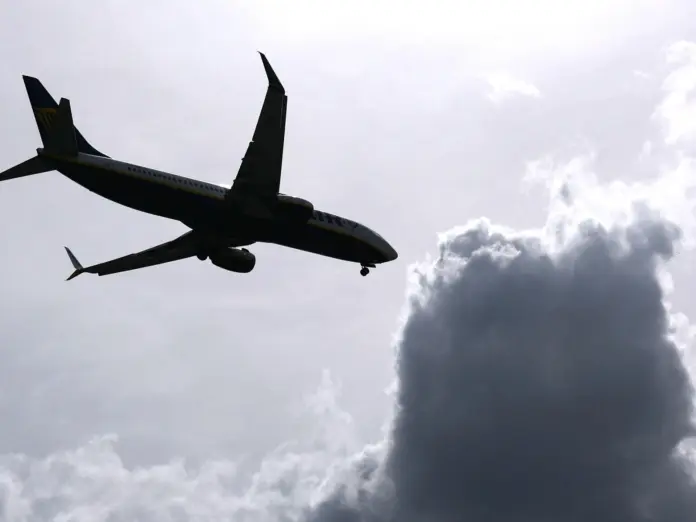
Europe is confronting a mounting aviation fuel crisis as the ongoing blockade of the Strait of Hormuz squeezes global energy supplies, prompting the European Commission to fast-track emergency measures ahead of the peak summer travel season.
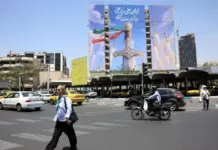
The strait, which under normal conditions serves as a transit corridor for roughly one-fifth of the world’s oil and liquefied natural gas, has become a critical chokepoint threatening aviation across the continent. The European Union imports between 30 and 40 percent of its total jet fuel needs, with approximately half of those imports originating from the Middle East — making the bloc acutely vulnerable to any sustained disruption.
Fatih Birol, executive director of the International Energy Agency, delivered a stark assessment, warning that Europe has perhaps six weeks of jet fuel reserves remaining. Birol cautioned that flight cancellations could materialise in the near term if oil supplies continue to be halted by the conflict.
EU Transport Commissioner Apostolos Tzitzikostas struck a more measured tone on Tuesday, stating there is currently no evidence of actual shortages and that widespread flight cancellations are not anticipated over the summer. However, he acknowledged that stocks are under pressure in certain parts of Europe and confirmed that some carriers have already cancelled flights or imposed fuel surcharges in response to elevated costs.
The European Commission is due to present a broad package of energy and transport measures on Wednesday designed to address the vulnerability. Among the proposals under consideration is a shift toward jet fuel imports from the United States as an alternative to Middle Eastern supply chains. The Commission will also assess whether member states should be required to maintain minimum emergency reserves of jet fuel — a measure that would formalise and potentially expand the emergency stocks Europe already holds.
A new fuel observatory will be established to monitor supply levels across the bloc, with jet fuel designated as the initial focus. Airlines will additionally receive guidance on passenger rights and public service obligations in the event that shortages do materialise, providing a framework for managing disruption should conditions deteriorate.
The timing is particularly sensitive. The prospect of jet fuel shortages has cast a shadow over the aviation industry just as the Northern Hemisphere summer travel season approaches — traditionally the busiest and most commercially critical period for European carriers. Some airlines have already moved preemptively, suspending select routes or passing rising costs on to passengers through fuel surcharges.
The crisis underscores Europe’s structural dependence on imported energy and the geopolitical risks embedded in global supply chains. The Strait of Hormuz, a narrow waterway between Iran and the Arabian Peninsula, has long been identified as one of the world’s most strategically sensitive energy corridors. Its disruption ripples rapidly through downstream markets, with aviation fuel among the first sectors to feel the strain given the relatively limited flexibility carriers have to substitute fuels or adjust operations at short notice.
Commission officials are expected to use Wednesday’s package to signal a longer-term strategic shift toward supply diversification, reducing the EU’s exposure to any single transit route or regional supplier. Whether those structural changes can be implemented quickly enough to cushion the immediate impact on summer travel remains the central question facing European policymakers and airline executives alike.