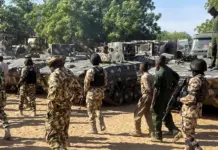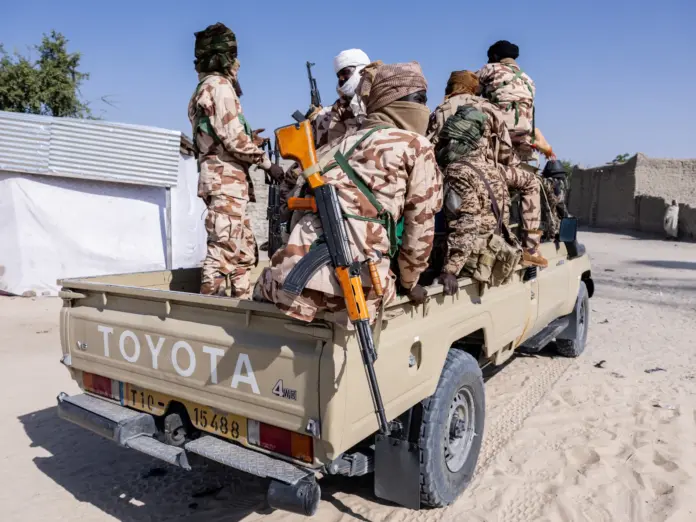
Boko Haram Ambush Chad — Chad plunged into national mourning on Wednesday after a Boko Haram ambush in the Lake Chad Basin killed two generals, delivering a devastating blow to the country’s military leadership and underscoring the militant group’s resurgent threat across one of Africa’s most volatile regions.
The period of mourning, running from midnight on May 6 to midnight on May 9, was declared by the government as the nation absorbed the shock of losing senior officers in an attack that came with brutal timing — just 48 hours after a separate Boko Haram assault on the Barka Tolorom military base, located near Lake Chad, killed at least 24 soldiers on May 4.
Together, the two strikes represent the deadliest sequence of militant attacks against Chadian forces in months, raising urgent questions about the military’s ability to contain an insurgency that President Mahamat Deby had publicly declared neutralised.
Recommended Reading
In February 2025, Chadian authorities announced the conclusion of a major counteroffensive launched in response to an October 2024 Boko Haram attack that killed approximately 40 soldiers at a military base in the Lake Chad Basin. At the time, the army declared that Boko Haram had ‘no more sanctuary on Chadian territory.’ The events of this week have starkly contradicted that assessment.
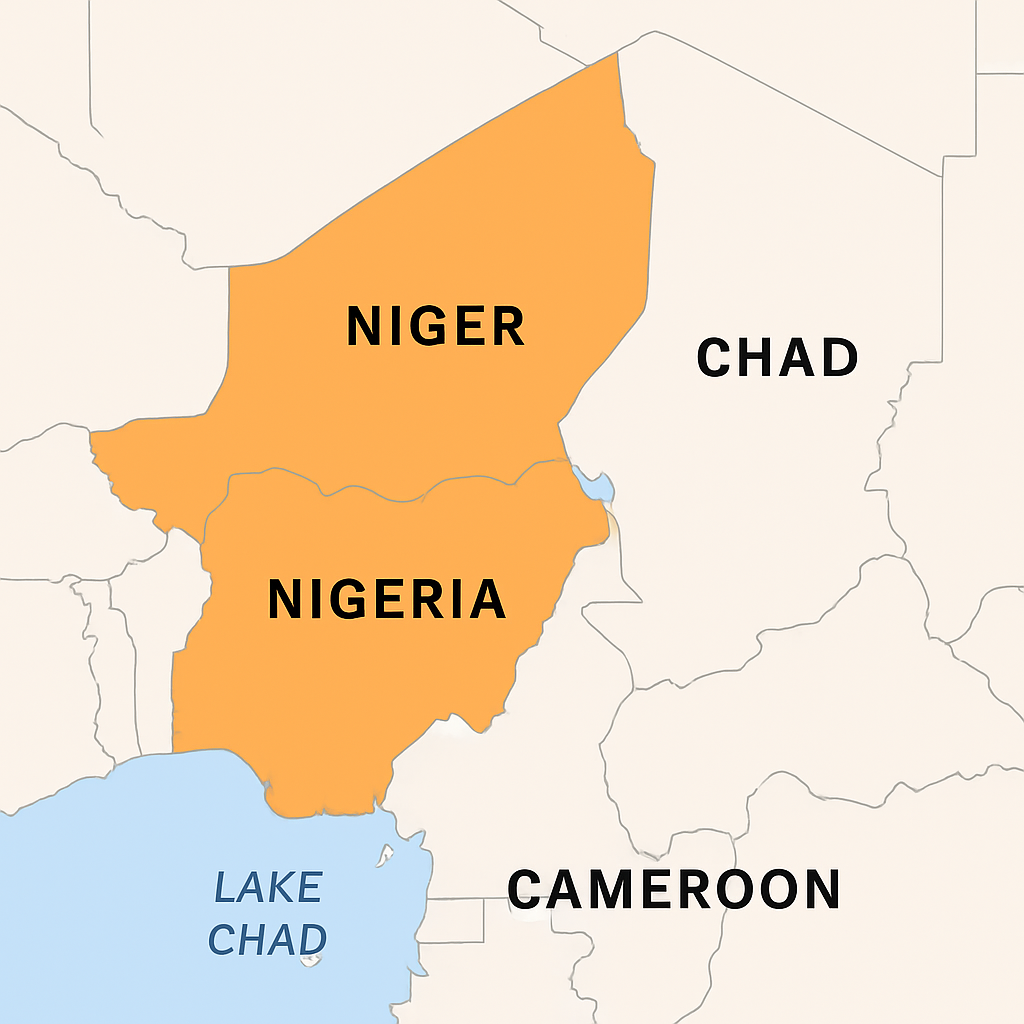
Attacks on Chadian security forces continued in the months following the February declaration, and the JAS faction of Boko Haram — the group’s original hardline wing — has intensified its operations across the Lake Chad region in recent months. The area’s geography, a labyrinth of water, marshland, and remote islands shared between Nigeria, Cameroon, Niger, and Chad, has long provided militant groups with natural cover and freedom of movement that conventional military operations struggle to disrupt.
A rival faction, ISWAP — the Islamic State’s West Africa Province affiliate — also operates extensively across the lake’s islands and marshes, exploiting the same terrain. The presence of two competing jihadist organisations in the basin has compounded the security challenge for all four bordering nations, each of which has faced cross-border raids and destabilisation.
For Chad specifically, the threat carries particular weight. The landlocked Central African nation is among the poorest countries on the continent and has endured decades of instability shaped by rebellions, armed factions, and coups. Its military, while considered one of the more capable forces in the Sahel, has repeatedly absorbed catastrophic losses in the Lake Chad theatre.
The October 2024 attack that killed around 40 soldiers prompted Deby to personally announce the counteroffensive, framing it as a campaign to ‘destroy Boko Haram’s capacity to cause harm.’ That operation drew on significant military resources and was presented as a turning point. The resumption of large-scale attacks — culminating in the killing of two generals — suggests the group retained both the will and the means to strike back.
Boko Haram Ambush Chad: What This Means for the Sahel
The deaths of senior military officers in the May 6 ambush are particularly significant. The loss of generals in a single engagement represents not only a human toll but a blow to command structures and institutional knowledge that takes years to rebuild. It also carries a psychological dimension, signalling to rank-and-file soldiers that no level of the military hierarchy is beyond the reach of insurgent forces operating in the basin.
Regional analysts have long warned that military offensives alone are insufficient to address the conditions — poverty, marginalisation, and weak governance — that allow groups like Boko Haram and ISWAP to recruit and sustain operations across the Lake Chad Basin. The four nations sharing the lake have coordinated through the Multinational Joint Task Force, but resource constraints and competing national priorities have limited the force’s effectiveness.
As Chad observes its period of mourning, the government faces mounting pressure to articulate a credible strategy that goes beyond the cycle of attack, counteroffensive, and renewed attack that has defined the conflict for over a decade.