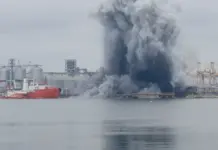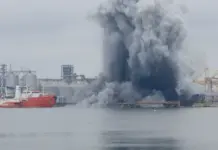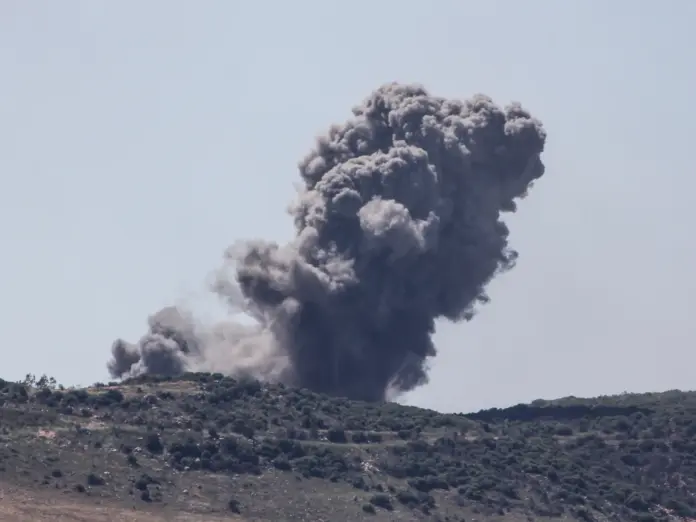
Israel Strikes Lebanon — Israeli drone strikes killed three people travelling on roads in southern Lebanon early Monday, as Israel simultaneously ordered residents of 10 villages to evacuate their homes ahead of anticipated military operations — a dramatic escalation that underscores the fragility of a US-brokered ceasefire now under severe strain.
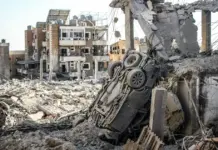
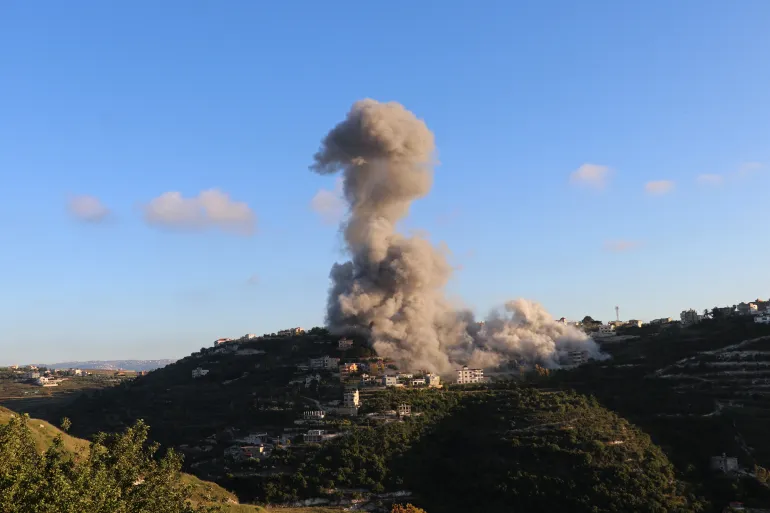
The three victims were struck in vehicles on the Kafr Rumman-Jarmaq highway and the Jarmaq-Khardali road in the Nabatieh area. Separately, an Israeli attack destroyed two homes in the Arzoun municipality in the southern city of Tyre, while Israeli forces struck the towns of al-Mansouri, Siddiqin, Zibqin, Qlayaa, Yohmor al-Shaqif, Zawtar al-Sharqiyah and al-Haniya.
Israeli military Arabic-language spokesman Colonel Avichay Adraee cited what he described as Hezbollah‘s violation of the ceasefire agreement as justification for the operations. Residents of the 10 targeted villages — Nabatieh al-Tahta, al-Louizeh, Sajd, Ain Qana, Harouf, Zibdin, Kfar Reman, Doueir, Adshit al-Shaqif and Maydun — were ordered to move at least 1,000 metres away from their homes into open areas before strikes commenced.
Recommended Reading
Israeli drones were also observed hovering over the Lebanese capital Beirut for the second consecutive day, extending the psychological pressure of the campaign well beyond the south.
The human toll of the renewed conflict has been severe. Lebanon’s Ministry of Public Health reports that more than 3,000 people have been killed since fighting between Israel and Hezbollah resumed on March 2. Israeli forces have also suffered losses: one soldier was killed and another wounded in southern Lebanon on Monday in what Israeli media attributed to a Hezbollah drone attack. The fatality brings the total number of Israeli soldiers killed since hostilities resumed to 23, alongside one civilian contractor.
The violence is unfolding against a backdrop of fragile diplomacy. A US-mediated ceasefire took effect on April 17 and was subsequently extended into early July, yet Israeli military operations across southern Lebanon and Beirut have continued unabated. Lebanon and Israel have begun landmark US-brokered talks, with a fourth round of negotiations scheduled for early June and a meeting between military delegations set for May 29 at the Pentagon.
Lebanese President Joseph Aoun has made clear that any diplomatic resolution must include a full Israeli military withdrawal, calling it a ‘non-negotiable’ demand. Israel previously withdrew from Lebanon in 2000 following roughly two decades of occupation.
Israel Strikes Lebanon: Regional Implications
On the Lebanese side, Hezbollah chief Naim Qassem reiterated on Sunday his organisation’s refusal to engage in direct talks with Israel and its firm opposition to disarmament — positions that complicate any path toward a durable settlement. Meanwhile, Iran’s Foreign Ministry spokesman Esmaeil Baghaei indicated that ongoing negotiations between Washington and Tehran over broader regional tensions were also addressing the conflict in Lebanon, suggesting the crisis is increasingly entangled with wider US-Iran diplomacy.
The combination of continued Israeli strikes, mass displacement orders, and hardening positions on both sides raises serious questions about whether the ceasefire framework can survive long enough to produce a lasting agreement. For the residents of southern Lebanon’s villages, the immediate reality is one of forced flight — the latest chapter in a cycle of displacement that has defined life in the region for decades.