Jerusalem — A comprehensive independent investigation into the October 7, 2023 Hamas-led attacks on Israel has concluded that rape, sexual assault, and sexual torture were deliberately deployed to maximise pain and suffering, with the Civil Commission classifying the acts as war crimes, crimes against humanity, and genocidal acts under international law.
October 7 Sexual Violence — The 300-page report, compiled from 430 filmed interviews with survivors and witnesses and a review of more than 10,000 photographs and videos recorded by the attackers themselves, represents the most detailed accounting yet of sexual and gender-based violence on what became the deadliest single day in Israel’s history. Approximately 1,200 people were killed and 251 taken hostage during the coordinated assault.
The findings stand in direct contradiction to Hamas‘s sustained position that no sexual violence occurred either during the attacks or against those subsequently held in captivity. The UN’s Special Representative on Sexual Violence in Conflict had previously concluded there were reasonable grounds to believe sexual violence, including gang rape, had been committed — a determination now reinforced by the Civil Commission’s exhaustive documentation.
Recommended Reading
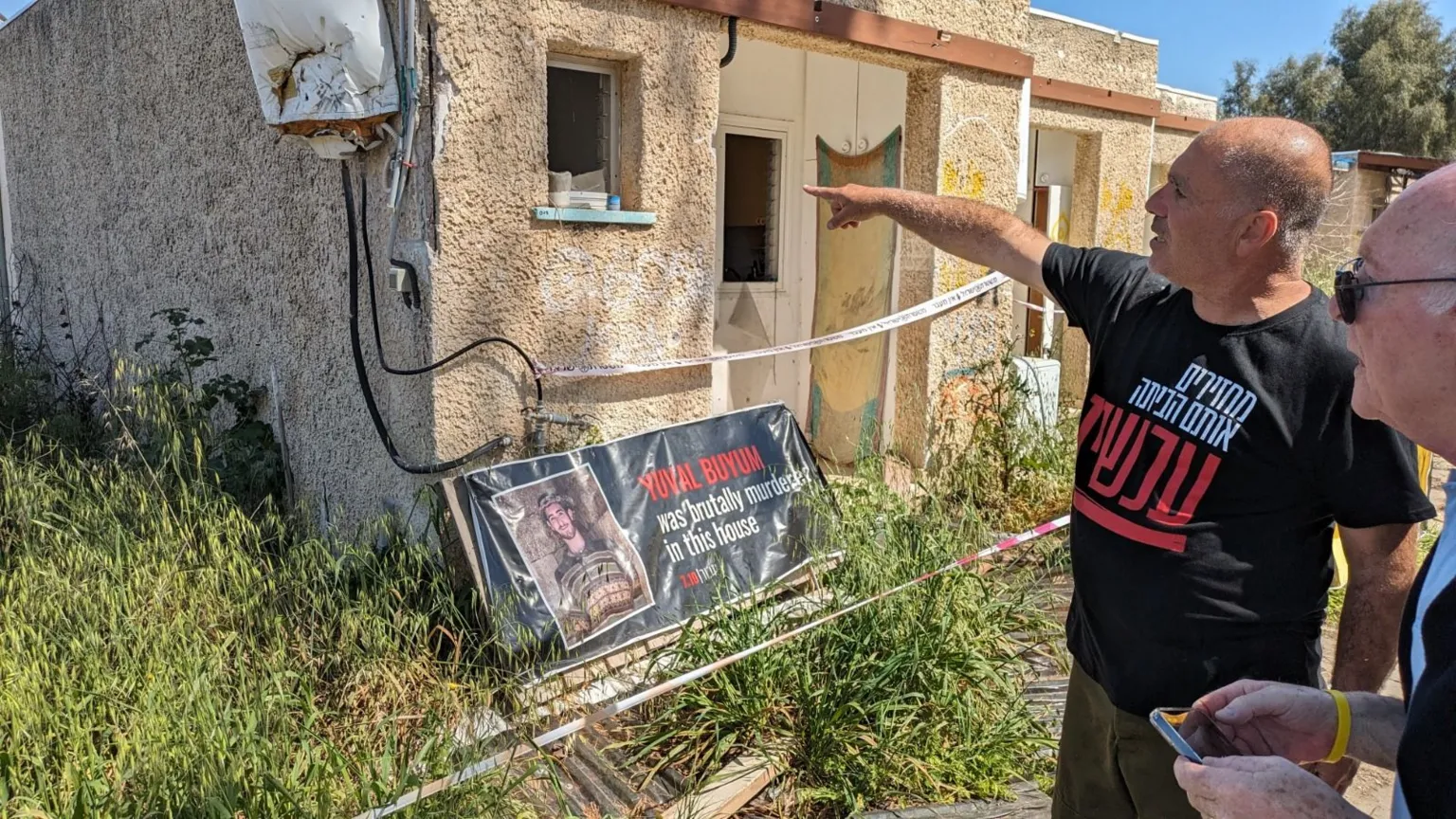
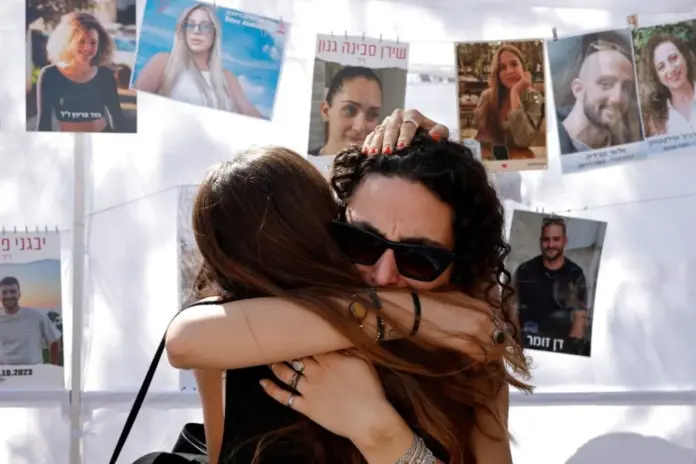
Among the most harrowing details are accounts from the Nova dance festival, where more than 370 people were killed. Witnesses described violent gang rapes taking place at the site. Dead women were found without underwear at the festival grounds, at kibbutzim, and at military bases. Corpses bearing signs of genital mutilation were recovered across multiple attack sites. One male survivor described being subjected to sexual assault by multiple assailants. In numerous cases, victims who were raped or assaulted were subsequently shot in the head.
The report also documents abuse that extended well beyond the initial attacks. Sexual and gender-based violence was inflicted on both women and men held hostage over prolonged periods in captivity. In one particularly disturbing case, captors forced two young relatives to perform sex acts on each other.
Several former hostages have spoken publicly about their experiences. Amit Soussana, Arbel Yehud, Romi Gonen, Rom Braslavski, and Guy Gilbol Dalal have each given accounts of being sexually assaulted while in captivity — testimonies that form a central part of the evidentiary record.
Investigators acknowledged several challenges in compiling the report. Some forensic evidence was destroyed when first responders rushed to attack sites in the immediate aftermath, before systematic evidence collection could take place. Additionally, some early accounts shared by Israeli officials proved to be false. To preserve the investigation’s independence and credibility, no material from Israeli interrogations of detained suspects was incorporated into the findings.
All evidence gathered has been preserved in a secure archive, with investigators indicating it may be used in future international prosecutions.
October 7 Sexual Violence: Regional Implications
The October 7 attacks triggered the ongoing war in Gaza, which has become the deadliest conflict in the territory’s history. The Hamas-run Health Ministry reports that 72,742 Palestinians have been killed in the war — figures the United Nations considers reliable.
The Civil Commission’s report arrives as international legal proceedings related to the conflict continue in multiple forums. The classification of the sexual violence as genocidal acts under international law is likely to intensify scrutiny of Hamas’s conduct and add weight to calls for accountability mechanisms capable of addressing crimes committed on both sides of the conflict.
The scale and systematic nature of the documented abuse — spanning multiple attack sites, continuing through months of captivity, and targeting both men and women — has led investigators to conclude these were not isolated acts of opportunistic violence but deliberate instruments of terror designed to inflict maximum psychological and physical suffering on victims and their communities.