Pakistani Airstrike Kabul — A Pakistani airstrike that struck a drug rehabilitation centre on the outskirts of Kabul on 16 March has killed at least 269 people, the United Nations confirmed in a report released Tuesday — making it the deadliest single attack in Afghanistan in decades, and possibly in the country’s entire recorded history.
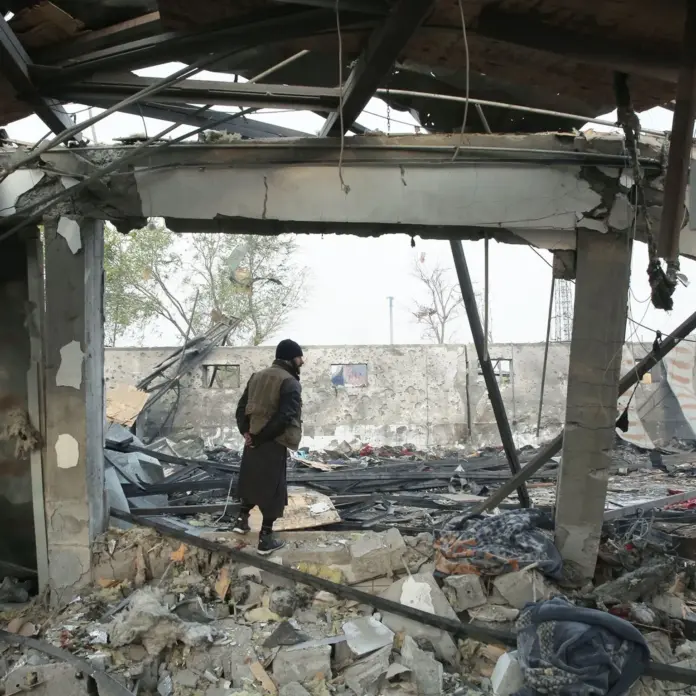
Three bombs hit the Omid Drug Rehabilitation Hospital, situated along the Kabul-Jalalabad highway, at approximately 20:50 local time. One struck a large hangar-like structure housing newly admitted patients. Two others destroyed containers and wooden structures used to accommodate patients, store food, and house administrative offices. The resulting fires incinerated the patient admission list, leaving families and authorities struggling to identify the dead.
Among those killed was Mirwais, 24, who had been at the facility for just ten days before the bombs fell. He was buried in a mass grave in north-west Kabul. Mohammad Anwar Walizada, 35, admitted only four days before the attack, was found with his body severed in half. The UN identified shrapnel wounds and burns as the primary causes of death and injury among those caught in the blasts.
Recommended Reading
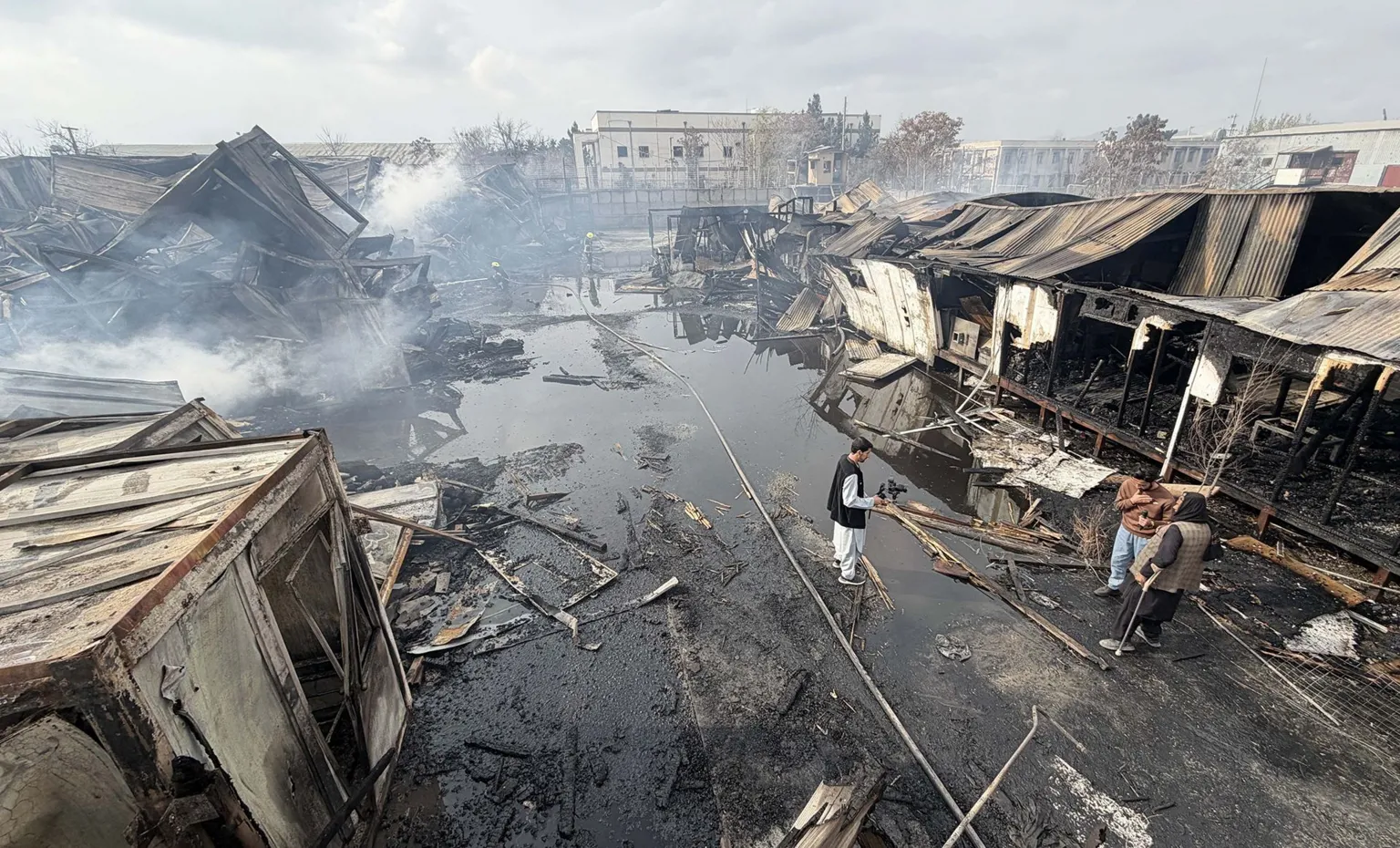
The scale of the carnage has drawn sharp international condemnation. Human Rights Watch described the strike as an unlawful attack and a possible war crime. The UN’s report, while confirming 269 deaths, acknowledged that the real toll is almost certainly higher, given the destruction of records and the chaos that followed the late-night assault.
The Omid centre, which opened in 2016 after the United States vacated the adjacent Camp Phoenix military base, sits approximately one kilometre from the main UN offices in Kabul. It serves patients battling addiction in a country where an estimated three million people struggle with substance dependency, including widespread use of Tablet-K, a synthetic street drug that can contain methamphetamine, opioids, or MDMA.
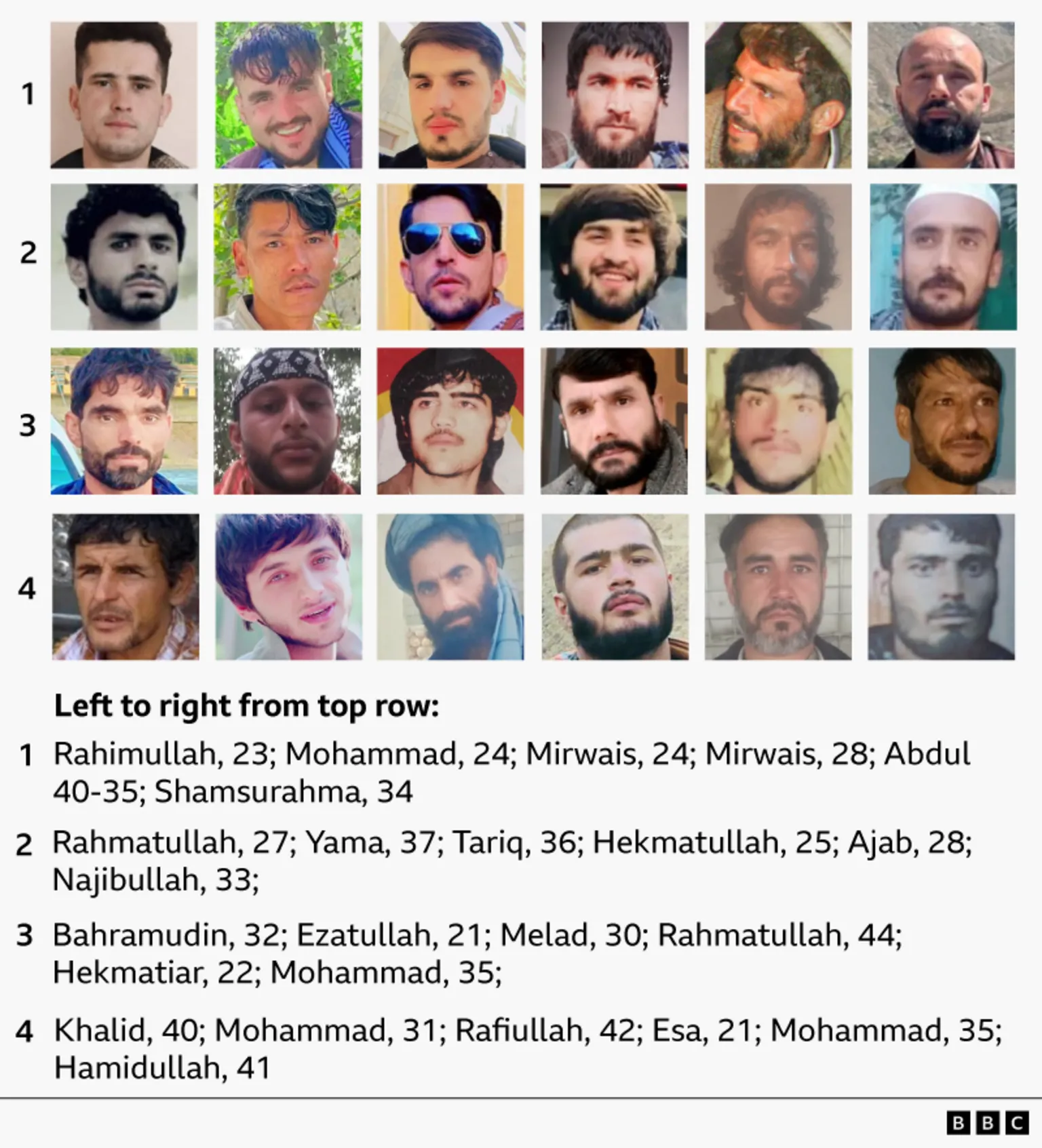
Pakistan’s military has defended the operation, with spokesman Lt Gen Ahmed Sharif Chaudhry insisting the targets were military and terrorist infrastructure, not civilian facilities. He further claimed that drug addicts had been used as suicide bombers — an assertion that has drawn no independent corroboration. Islamabad accuses the Taliban government of sheltering militant organisations including the Tehreek-e-Taliban Pakistan (TTP) and the Balochistan Liberation Army (BLA), both of which have carried out deadly attacks inside Pakistan. The Taliban administration categorically denies providing sanctuary to any armed groups or permitting them to operate from Afghan soil.
The strike did not occur in isolation. Cross-border fighting between Pakistani and Afghan forces had been escalating for months prior to the March attack, leaving hundreds dead on both sides and pushing relations between Islamabad and Kabul to their lowest point since the Taliban seized power in 2021. Pakistan’s military has characterised the situation as a grave and ongoing terrorist threat emanating from territory under Taliban control.
Pakistani Airstrike Kabul: Regional Security Implications
The choice of target, however, has proved deeply difficult to reconcile with those justifications. The Omid facility was a recognised rehabilitation centre, its patients civilians seeking treatment for addiction. The destruction of its records has compounded the humanitarian toll, leaving many families unable to confirm whether their relatives were among the dead, the injured, or simply missing in the chaos of the aftermath.
The UN report marks the most authoritative accounting of the disaster to date, but investigators have cautioned that the final death toll may never be fully known. What is not in dispute is the magnitude of what occurred on the night of 16 March: a single strike that, in a country shaped by more than two decades of continuous war, stands apart for its lethality and the vulnerability of those it killed.