Tehran has transmitted its formal response to a wide-ranging American proposal designed to end the current conflict and dismantle Iran’s nuclear programme, channelling the communication through Islamabad in what diplomats are calling a pivotal moment in the standoff between the two countries.
Iran Hormuz Crisis — The Iranian reply was delivered on Sunday, confirmed by the state news agency IRNA and corroborated by a Pakistani diplomatic source. Pakistan, which maintains constructive ties with both Tehran and the Trump administration, has emerged as the key conduit in negotiations that could reshape the security architecture of the Persian Gulf.
The United States presented Iran with a 14-point proposal earlier in the week, outlining sweeping demands in exchange for significant economic relief. Under the American framework, Iran would be required to formally commit to never developing a nuclear weapon and to halt all uranium enrichment for a minimum of 12 years. Critically, Washington is also demanding that Tehran surrender its existing stockpile — an estimated 440 kilograms of uranium enriched to 60 percent purity, a quantity that has long alarmed Western governments and international inspectors.
Recommended Reading
In return, the US has offered a graduated lifting of sanctions, the release of billions of dollars in frozen Iranian assets, and an end to its naval blockade of Iranian ports — concessions that would provide Tehran with substantial economic breathing room after years of financial isolation.
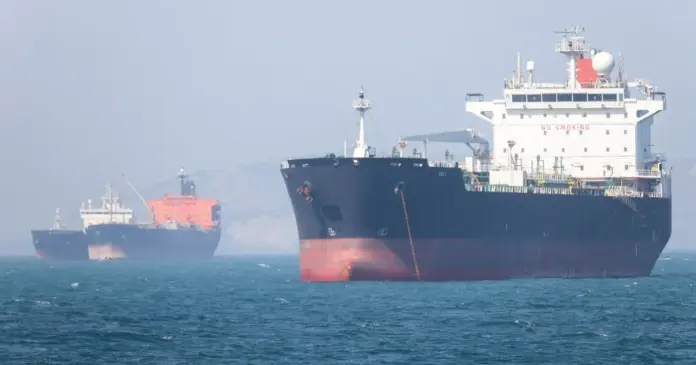
Iran’s response did not simply address the nuclear dimension. Tehran placed particular emphasis on guarantees surrounding maritime security in the Gulf and the Strait of Hormuz, the narrow waterway through which a significant share of the world’s oil supply passes. The blockade of that corridor has sent fuel prices surging across the region, with Pakistan among the countries bearing acute economic pain. Islamabad’s dual role — as both a suffering neighbour and a trusted intermediary — has given it unusual leverage and motivation to see the talks succeed.
The first stage of any negotiated process, as outlined in the US proposal, would concentrate on ending active hostilities before broader structural issues are addressed. Diplomats familiar with the process describe the next several days as critical, with the shape of Iran’s response likely to determine whether formal talks can advance or whether the current impasse hardens further.
The stakes extend well beyond the two principal parties. A prolonged closure of the Strait of Hormuz carries consequences for global energy markets and supply chains, and pressure from affected nations has added urgency to the diplomatic effort. Pakistan’s willingness to serve as messenger reflects both its geographic exposure and its carefully cultivated relationships on both sides of the divide.
Iran Hormuz Crisis: Regional Implications
Iran’s 60 percent enriched uranium stockpile sits below the roughly 90 percent threshold required for weapons-grade material, but the volume and enrichment level have been a central concern for the international community. Any agreement requiring its transfer or destruction would represent a significant concession by Tehran, and Iranian negotiators are expected to seek firm, verifiable guarantees before agreeing to such terms.
Whether Sunday’s response signals genuine flexibility or a tactical holding measure remains unclear. What is certain is that the channel is open, the intermediary is engaged, and the economic pressure on all parties continues to mount with each passing day.