Israeli Settlers West Bank — Israeli settlers forced a Palestinian family to dig up the body of their recently buried patriarch and relocate it to a different cemetery, in an incident that has drawn sharp international condemnation and renewed scrutiny of settler violence in the occupied West Bank.
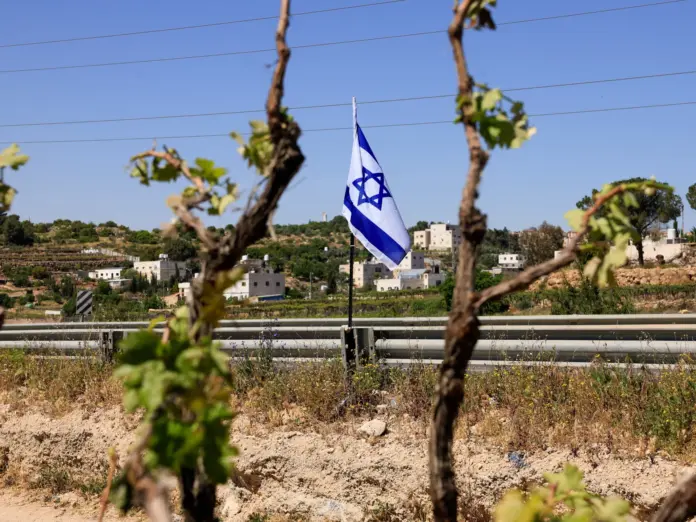
Hussein Asasa, 80, died of natural causes on Friday. His family buried him in a cemetery in Asasa village, near the city of Jenin — a burial that had been coordinated in advance with Israeli security forces, which issued the necessary permits. Within hours, however, settlers arrived and claimed the burial site sat on land belonging to an Israeli settlement.
Facing threats that settlers would use a bulldozer to exhume the body themselves, the Asasa family complied and relocated Hussein Asasa’s remains to another cemetery. Palestinian news agency Wafa reported that Israeli soldiers were present throughout the confrontation and applied pressure on the family to move the burial elsewhere.
Recommended Reading
The Israeli military offered a different account, stating that soldiers were dispatched to the area only after receiving reports of a confrontation involving settlers. It denied issuing any instructions to the family regarding reburial and said soldiers confiscated digging tools from the settlers at the scene.
The episode drew an immediate response from the UN Human Rights Office. Ajith Sunghay, head of the OHCHR’s Palestinian office, described the incident as ‘appalling and emblematic of the dehumanisation of Palestinians’ — language that reflects growing alarm within international institutions over conditions in the occupied territory.
Under international law, Israeli settlements in the occupied West Bank are considered illegal and are not recognised as Israeli territory. The West Bank is widely regarded as essential to the viability of any future Palestinian state.
Friday’s incident did not occur in isolation. On the same day, settlers carried out multiple attacks across the occupied West Bank, including assaulting a child and setting homes and vehicles on fire. Settler violence has surged markedly since Israel launched its military campaign in Gaza in October 2023, a trend documented by human rights organisations and UN monitors alike.
Israeli Settlers West Bank: Regional Implications
In February, Amnesty International warned that global impunity was accelerating Israel’s illegal annexation of the West Bank, accusing Israel of ‘brazenly’ expanding its settlement enterprise. The organisation’s findings echoed longstanding concerns that the absence of meaningful international accountability has emboldened settler activity.
The forced reburial of Hussein Asasa has amplified those concerns, with critics arguing it represents a new threshold in the erosion of Palestinian rights — one that extends even to the dead. For the Asasa family, the episode compounded grief with humiliation, as a burial conducted lawfully and with official permits was undone within hours under settler pressure.
The incident is likely to intensify calls for international action on settler accountability, particularly as the occupied West Bank remains at the centre of broader negotiations over the region’s political future.