Iran Hormuz Clash — American and Iranian forces clashed in the Strait of Hormuz and surrounding Persian Gulf waters in a series of engagements that represent the most serious direct military confrontation between the two countries in recent memory, unfolding even as diplomats from both nations pursue advanced negotiations to end the wider conflict.
Iran’s Khatam al-Anbiya Central Headquarters accused US forces of striking an Iranian oil tanker inside Iranian territorial waters and conducting air strikes on civilian areas, including Qeshm Island, Bandar Abbas, and Minab — a charge Tehran framed as a flagrant violation of the ceasefire that came into effect last month. Iranian state-affiliated outlets reported explosions audible across all three locations.
US Central Command (CENTCOM) offered a sharply different account, stating that American forces intercepted what it described as unprovoked Iranian attacks and responded with lawful acts of self-defence. CENTCOM confirmed no US assets were struck and emphasised that Washington does not seek escalation, while making clear its forces remain positioned and ready to protect American personnel in the region.
Recommended Reading
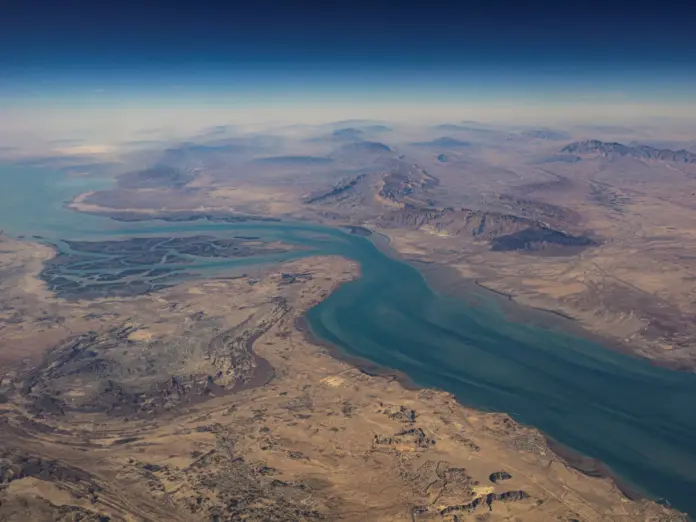
The clashes mark the first military Iranian response to a US naval blockade that has seen American forces seize several Iranian vessels and order dozens more to turn around over recent weeks. Earlier in the week, President Donald Trump ordered an operation specifically aimed at breaking Iran’s blockade of the Strait of Hormuz — a critical chokepoint through which a significant share of the world’s oil supply passes.
The Islamic Revolutionary Guard Corps (IRGC) Navy confirmed its forces deployed an array of weaponry in the exchange, including ballistic missiles, antiship cruise missiles, and drones fitted with high-explosive warheads. Iran’s Tasnim news agency cited a senior source claiming three US Navy destroyers came under sustained Iranian fire and subsequently withdrew toward the Gulf of Oman. Iranian military statements characterised the United States as an aggressor, terrorist, and bandit army, and alleged that Washington conducted its strikes in coordination with unspecified regional partners.
On Monday, the US military reported shooting down seven small Iranian drones, a prelude to the broader exchange that followed. That same day, Iran renewed drone and missile attacks against the United Arab Emirates, widening the theatre of operations beyond the immediate Hormuz corridor.
Iran claimed the military response inflicted significant damage on US naval vessels, though CENTCOM’s assertion that no American assets were struck directly contradicts that claim. The competing narratives reflect the broader information war accompanying the physical one, with each side seeking to shape perceptions of battlefield outcomes.
Iran Hormuz Clash: Regional Implications
The timing of the confrontation is particularly fraught. Washington and Tehran are reported to be in advanced talks aimed at ending the war entirely, making the military exchange a dangerous complication for negotiators on both sides. Whether the clashes represent a deliberate attempt by hardliners to derail diplomacy or a tactical miscalculation remains unclear.
The Strait of Hormuz has long been a focal point of US-Iran tensions, with Tehran periodically threatening to close the waterway in response to American pressure. The current crisis has brought those threats closer to reality than at any point in recent years, with active naval engagements now replacing rhetorical posturing. The international community, particularly nations dependent on Gulf oil exports, is watching developments with mounting alarm as both sides calibrate their next moves.