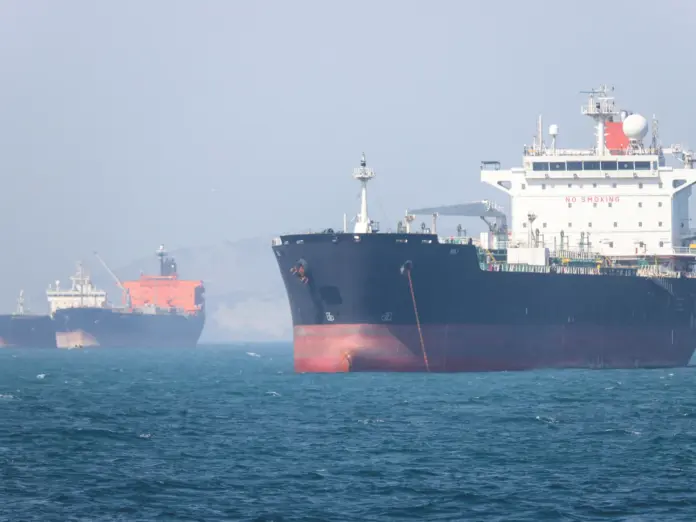
Iran Hormuz Blockade — Iran launched a sweeping assault on the United Arab Emirates on Monday, firing ballistic missiles, cruise missiles, and drones at the Gulf state while striking commercial vessels in the Strait of Hormuz — a dramatic escalation that sent Brent crude oil prices surging past $115 a barrel and drew urgent warnings from Washington, Paris, and London.
UAE air defences intercepted 12 ballistic missiles, three cruise missiles, and four drones, the UAE Defence Ministry confirmed. One strike penetrated defences at the Fujairah Petroleum Industry Zone, igniting a large fire at the oil port and injuring three people. A tanker affiliated with Adnoc, the UAE’s state-owned oil company, was struck in the Strait of Hormuz. A South Korean vessel suffered an explosion and fire while anchored off the UAE coast, and the United Kingdom Maritime Trade Operations (UKMTO) reported fires on two ships in the area. Two civilians were also injured in Oman after a residential building in Bukha was struck.
The UAE Foreign Ministry condemned the attacks as a dangerous escalation, stating the country reserves its full and legitimate right to respond. An unnamed Iranian military official, however, told state broadcaster IRIB that Iran had no intention of targeting the UAE, and attributed the strikes to US policy in the region. Iran’s official news agency IRNA cited a military source denying that any Iranian warships had been sunk by US forces.
Recommended Reading
The US military told a different story. Admiral Brad Cooper, head of US Central Command (CENTCOM), confirmed that American forces used helicopters to destroy seven Iranian fast boats operating near the Strait of Hormuz. CENTCOM also said it had redirected 50 commercial vessels to enforce compliance with the naval blockade of Iranian ports. The US-flagged Maersk vessel Alliance Fairfax exited the strait under US military escort, one of two American merchant ships guided through the waterway on Monday.
Iran’s military claimed it fired warning shots at a US warship during the confrontation. The US military flatly denied the claim.
President Donald Trump issued a stark warning in a Fox News interview, declaring that Iran would be "blown off the face of the Earth" if it attacked US ships. He confirmed the strikes on the Iranian fast boats and announced the launch of Project Freedom, a US military operation designed to escort stranded commercial vessels through the Strait of Hormuz. Trump also used the attack on the South Korean ship to press Seoul to join his campaign to reopen the strait, which has remained largely blocked since the US and Israel launched air strikes on Iran on February 28.
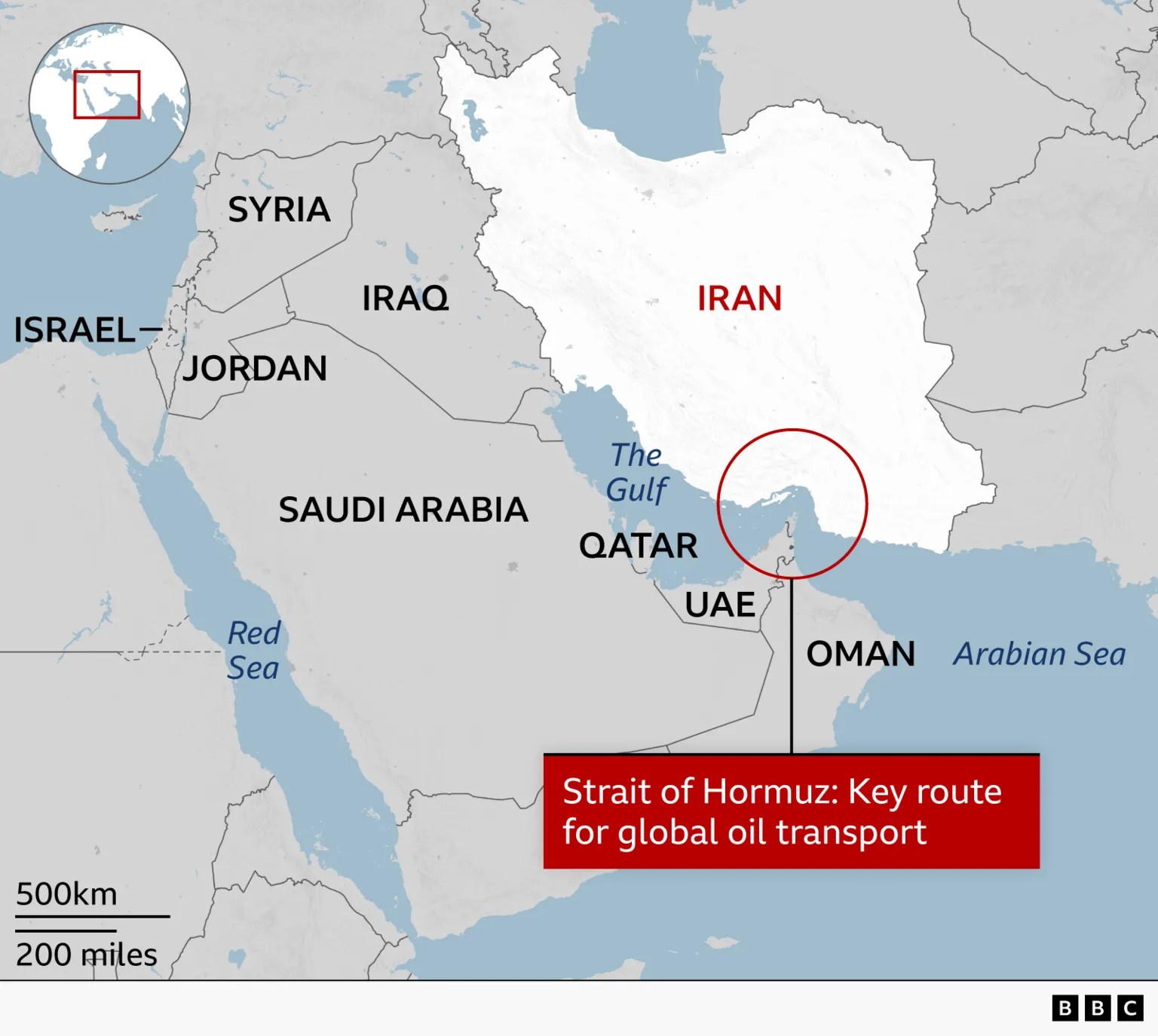
The human and economic toll of the blockade is severe. An estimated 20,000 seafarers aboard 2,000 ships have been stranded since the conflict began. Admiral Cooper noted that vessels trapped in the area fly the flags of 87 countries. Ship-tracking data shows traffic through the strait remains largely suspended. The waterway normally carries roughly 20 percent of the world’s oil and liquefied natural gas, and its closure has driven US gasoline prices from under $3 per gallon before the war to more than $4.45 on Monday.
Iran Hormuz Blockade: Regional Implications
Fujairah’s strategic importance has grown sharply during the crisis. Situated on the UAE’s eastern coast along the Gulf of Oman — beyond the strait itself — the port is connected to Abu Dhabi’s oilfields via pipeline, allowing limited crude exports to continue despite the blockade. Monday’s strike on the facility directly targeted that workaround.
International reaction was swift. French President Emmanuel Macron called the strikes unjustified and unacceptable. British Prime Minister Sir Keir Starmer pledged UK support for the defence of Gulf partners. Qatar condemned the attack on the Adnoc-affiliated tanker and called for the unconditional reopening of the Strait of Hormuz.
A ceasefire announced in early April had appeared to halt Iranian drone and missile strikes on Gulf states including the UAE, with the US simultaneously imposing its own blockade on Iranian ports. Monday’s assault shattered that fragile arrangement. A senior Iranian official, cited by Lebanese outlet Al Mayadeen, insisted that administration of the Hormuz Strait remains fully in Tehran’s hands — a direct challenge to Washington’s Project Freedom initiative and a signal that the contest for control of the world’s most critical oil chokepoint is far from resolved.