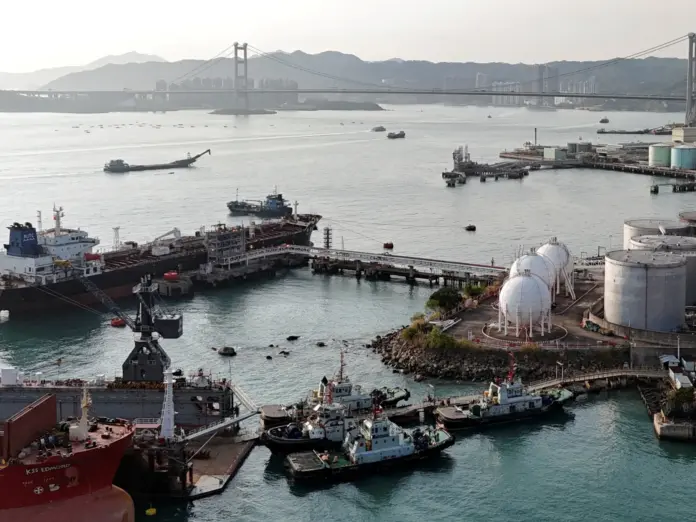
The United States Treasury Department sanctioned Hengli Petrochemical (Dalian) Refinery on Friday, designating China’s second-largest independent refinery for allegedly funnelling hundreds of millions of dollars into Iran’s military through sustained crude oil purchases. The move marks one of Washington’s most significant strikes yet against the financial architecture sustaining Tehran’s oil economy.
Treasury officials described Hengli Petrochemical as ‘one of Tehran’s most valued customers’, accusing the facility of serving as a critical revenue conduit for Iran’s armed forces. The sanctions were announced alongside measures targeting approximately 40 shipping firms and vessels alleged to be operating as components of Iran’s shadow fleet — the network of tankers used to obscure the origin and destination of sanctioned Iranian crude.
Treasury Secretary Scott Bessent issued a stark warning to the broader market, stating that any person or vessel facilitating the flow of Iranian oil risks exposure to US sanctions. Bessent pledged that Washington would continue targeting every node of Iran’s oil trade network until the financial pressure forces a change in Tehran’s behaviour.
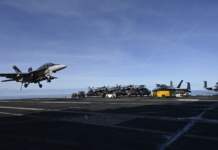
The action fits within a broader campaign by the Trump administration to economically isolate Iran. Since April 13, the US Navy has maintained a blockade of Iranian ports, a measure President Donald Trump has framed as a direct effort to eliminate Iran’s proceeds from oil and gas exports. The administration has previously sanctioned several other Chinese refining operations, including Hebei Xinhai Chemical Group, Shandong Shouguang Luqing Petrochemical, and Shandong Shengxing Chemical.
Hengli Petrochemical belongs to a category of facilities known as ‘teapot’ refineries — small, privately owned operations named for their distinctive teapot-like industrial shape. The majority of China’s teapot refineries are concentrated in Shandong province, and they have built their business models around importing and stockpiling discounted crude from sanctioned producers, including Iran and Russia. The sector has become a structural pillar of Iran’s ability to monetise its oil despite Western restrictions.
The scale of China’s dependence on Iranian crude is substantial. Analytics firm Kpler estimates that China purchased more than 80 percent of all Iranian shipped oil last year, with teapot refineries absorbing a significant share of those volumes. China as a whole sources more than half of its total oil imports from the Middle East, making the sector acutely sensitive to any disruption in regional supply chains.
The Brussels-based economic think tank Bruegel has noted that the ongoing US-Israel military campaign against Iran has already increased financial pressures on teapot refineries, which now face elevated replacement costs in a market strained by geopolitical tensions. Sanctions on major buyers like Hengli Petrochemical are expected to compound those pressures, potentially forcing some operators to seek alternative crude sources at higher prices.
The Chinese embassy in Washington, DC issued a formal statement opposing the sanctions, reflecting Beijing’s consistent position that unilateral US economic measures against Chinese entities are illegitimate. China does not recognise US sanctions imposed outside of United Nations frameworks and has historically encouraged Chinese firms to continue operating within what it considers lawful international trade.
The designation of Hengli Petrochemical is particularly significant given its scale. As the second-largest independent refinery in China, it processes volumes that dwarf those of the smaller Shandong-based teapots previously targeted by Washington. Its sanctioning signals that the Trump administration is prepared to escalate beyond symbolic targets and confront major industrial actors embedded in China’s energy supply chain.
The cumulative effect of the naval blockade, expanded sanctions on shipping networks, and now the targeting of large-scale Chinese buyers represents a multi-front strategy aimed at making Iranian oil effectively unmarketable. Whether that pressure translates into diplomatic leverage or simply accelerates the development of parallel financial systems insulated from US reach remains a central question for analysts tracking the standoff between Washington, Beijing, and Tehran.