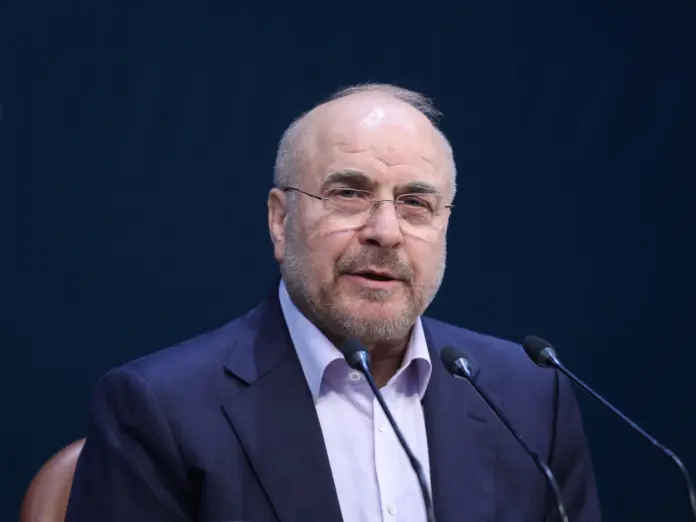
Iran’s speaker of parliament, Mohammad Bagher Ghalibaf, declared Thursday that a ceasefire in Lebanon is "as important" as any ceasefire agreement covering Iran itself, hardening Tehran’s position as diplomatic efforts to end the widening regional war remain deadlocked.
Ghalibaf made the statement on Telegram following a phone call with Nabih Berri, Lebanon’s parliament speaker, in which the two officials discussed the terms and prospects of a ceasefire. The call underscored Iran’s insistence that Lebanon cannot be treated as a separate or secondary matter in any negotiations with Washington.
The declaration carries particular weight given Ghalibaf’s direct role in the diplomatic process. He led the Iranian delegation at the first face-to-face meeting between US and Iranian officials, held in Pakistan last week — a session that ended without a breakthrough agreement. Tehran and Washington remain at odds over the scope of any potential deal, with the US and Israel maintaining that Lebanon falls outside the framework of ceasefire discussions. Iran flatly rejects that position.
During their call, Berri told Ghalibaf that Israel is "literally committing crimes" in Lebanon and pursuing a deliberate strategy to displace the Lebanese population. He also stated that any official communication with Israel does not serve the interests of the Lebanese people — a pointed remark given that US President Donald Trump announced Wednesday that the leaders of Israel and Lebanon would speak by phone on Thursday, a conversation that would be the first direct exchange between the two countries’ leaders in 34 years. An Israeli official confirmed the planned call; the Lebanese government had not publicly commented on the announcement.
Berri nonetheless expressed appreciation for Iran’s diplomatic efforts on Lebanon’s behalf, signalling that despite reservations about direct Israeli contact, Beirut values Tehran’s advocacy in the broader negotiations.
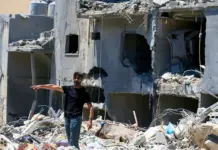
Lebanon was drawn into the conflict on March 2, when Hezbollah launched rockets into Israeli territory. The group said the strikes were in retaliation for Israel’s killing of Ayatollah Ali Khamenei, Iran’s Supreme Leader, on February 28 — the opening day of the war. Since Lebanon’s entry into the fighting, Israeli forces have killed more than 2,000 people in the country. Berri told Ghalibaf that 1.2 million Lebanese civilians have been displaced by the violence.
The humanitarian toll lends urgency to Iran’s diplomatic push. Israel had previously agreed to a ceasefire in Lebanon in November 2024, but that arrangement has been overtaken by the dramatically escalated regional conflict that erupted following Khamenei’s death. The current war represents a qualitative shift from the intermittent hostilities of previous years, drawing in state actors and reshaping the diplomatic landscape across the Middle East.
Iran’s consistent linkage of the two ceasefires reflects both strategic calculation and political necessity. Accepting a deal that halts attacks on Iranian territory while leaving Lebanon exposed would be deeply unpopular domestically and would undermine Tehran’s standing as the principal backer of Hezbollah and the broader "axis of resistance." For Washington and Jerusalem, however, decoupling the two theatres offers a potential path to a more limited agreement — one that addresses the direct US-Iran confrontation without requiring Israel to halt its operations in Lebanon.
That gap remains unresolved. The Pakistan talks produced no deal, and the positions of both sides appear entrenched. Whether the reported Israeli-Lebanese leadership call signals a parallel diplomatic track — or simply adds another layer of complexity to an already fractured negotiating landscape — remains to be seen. What is clear is that Iran intends to keep Lebanon’s fate firmly on the table.