Washington/Beirut — US President Donald Trump announced Wednesday that Israeli Prime Minister Benjamin Netanyahu and Lebanese President Joseph Aoun will hold a direct phone call Thursday — the first contact between Israeli and Lebanese leaders in 34 years — as Israeli forces press a widening offensive that has killed more than 2,000 people and uprooted roughly 1.2 million across Lebanon.
Trump posted the announcement on Truth Social, describing the planned conversation as an effort to create "a little breathing room between Israel and Lebanon." Israeli cabinet member Gila Gamliel, who serves as minister for innovation, science and technology and sits on Israel’s security cabinet, confirmed the call on Army Radio. Lebanese officials, however, said they had received no information about any such contact, and neither Jerusalem nor Beirut issued official statements following Trump’s announcement.
The diplomatic signal arrives against a backdrop of relentless violence. Netanyahu ordered the Israeli military on Wednesday to widen its ground offensive in southern Lebanon, pushing operations further east. That same day, Israeli forces launched three consecutive strikes on the village of Mayfadoun, killing four Lebanese paramedics and wounding six others. Since March 2, Israeli forces have killed at least 91 Lebanese medical workers and struck multiple medical facilities, including launching attacks near a hospital in the southern town of Tebnine.
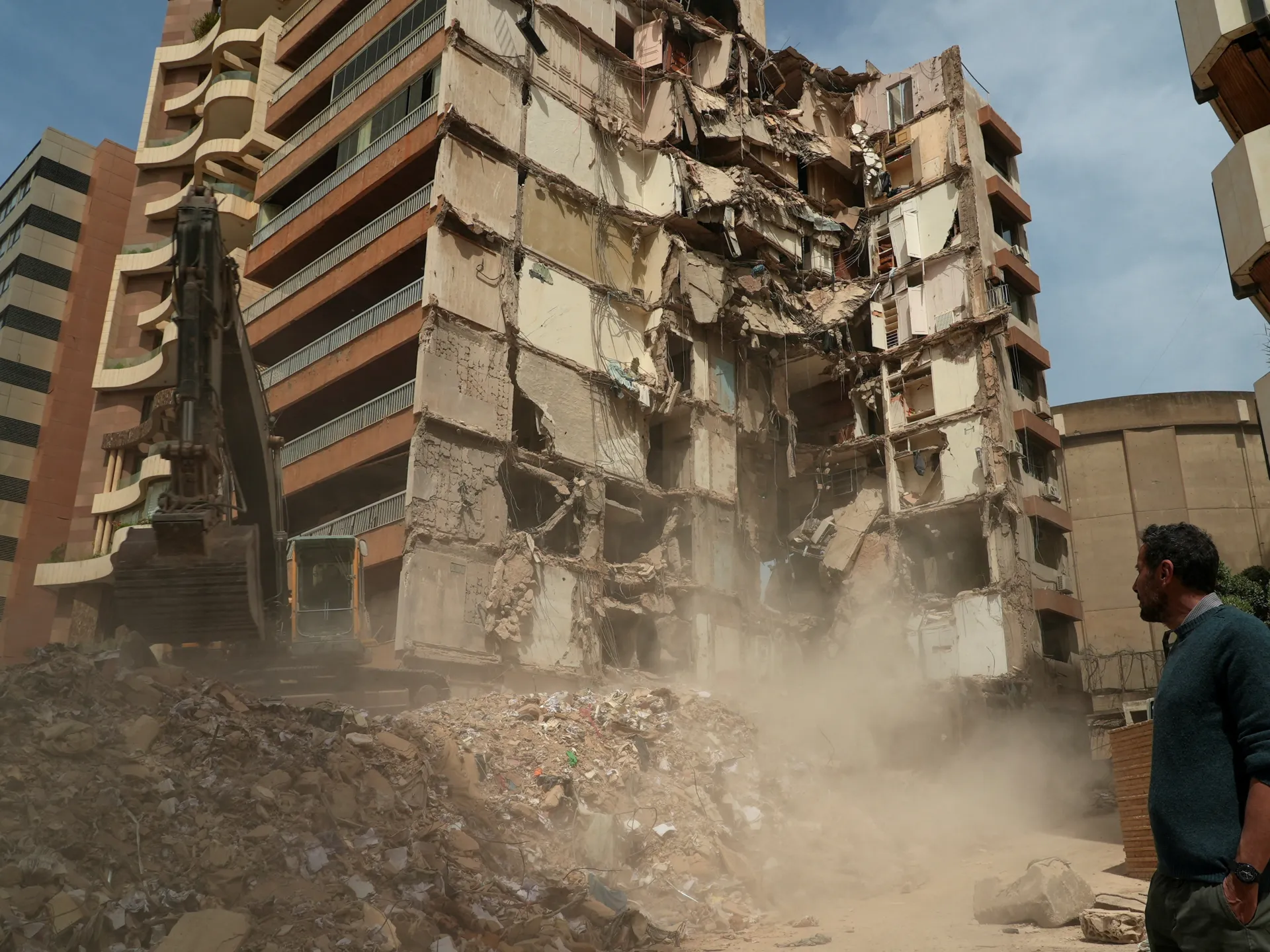
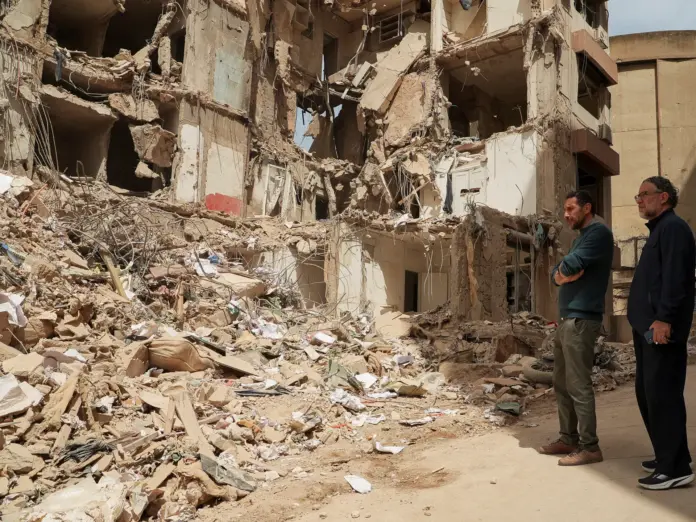
The scale of destruction across Lebanon has been staggering. A single Israeli attack on Beirut last week killed more than 300 people, with the International Rescue Committee identifying at least 29 unaccompanied children in the aftermath — eight of whom have since been reunited with their families. Israel launched more than 100 strikes across the country in a single day last week, targeting densely populated neighbourhoods in the capital as well as towns and villages across the south.
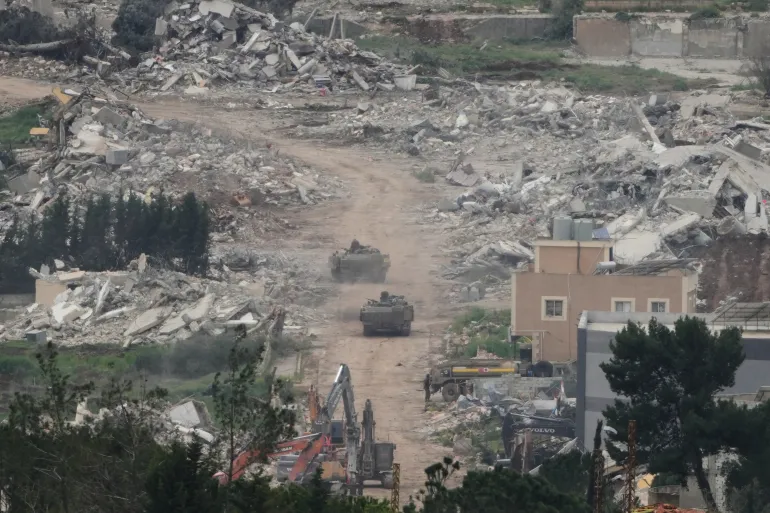
In Bint Jbeil, a southern Lebanese town that proved resistant to Israeli military control during both the 2006 war and fighting in 2024, Israeli forces have encircled the area. Hezbollah fighters inside the town are continuing to resist, the group stated. Defense Minister Israel Katz has declared Israel’s intention to establish a "security zone" in southern Lebanon stretching to the Litani River, approximately 30 kilometres north of the Israeli border. Israeli forces have already destroyed multiple bridges spanning the river to impede movement.
The current phase of the conflict was triggered on February 28, when the United States and Israel launched a war against Iran, killing Supreme Leader Ayatollah Ali Khamenei. Lebanon was drawn into the fighting on March 2, when Hezbollah fired rockets, missiles and drones toward a missile defence site near Haifa in northern Israel, citing retaliation for Khamenei’s death. Israel responded with air raids on the suburbs of Beirut, and the offensive has escalated sharply since.
A two-week Pakistan-brokered ceasefire between the US, Israel, and Iran is currently in place, though it has not halted the fighting in Lebanon. An initial social media post by Pakistani Prime Minister Sharif announcing the ceasefire had included Lebanon in its scope. Mohammad Bagher Ghalibaf, Iran’s parliament speaker who led the Iranian delegation at the first round of US-Iran talks in Pakistan last week — negotiations that ended without a deal — telephoned Lebanese parliament speaker Nabih Berri to stress that a ceasefire in Lebanon is vital.
The diplomatic track has seen cautious movement. Israeli and Lebanese ambassadors met directly in Washington on Tuesday, their first such face-to-face contact in decades. Netanyahu has stated publicly that Israel is pursuing negotiations with the Lebanese government in parallel with its military campaign against Hezbollah — a distinction the Lebanese government itself has been careful to maintain, emphasising it is not a party to the conflict and is seeking both a ceasefire and a full Israeli military withdrawal from southern Lebanon.
The fighting has unfolded against the backdrop of a November 2024 ceasefire agreement between Israel and Hezbollah that Israel breached near-daily before the current escalation rendered it effectively void. More than six weeks of sustained combat have left Lebanon’s civilian infrastructure shattered, its population traumatised, and its government navigating a precarious position between a powerful non-state armed group and a militarily superior neighbour backed by Washington.
Whether Thursday’s anticipated call between Netanyahu and Aoun produces any tangible movement toward a halt in hostilities remains deeply uncertain. The Lebanese government has received no formal confirmation of the conversation, and the gap between diplomatic signalling and conditions on the ground — where Israeli forces are actively expanding their operations — remains vast.