A tenuous ceasefire between Iran and the United States and Israel entered its final week under severe strain, with diplomats racing to arrange a second round of negotiations in Islamabad even as the physical and political landscape inside Iran bears the deep scars of weeks of conflict.
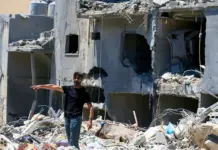
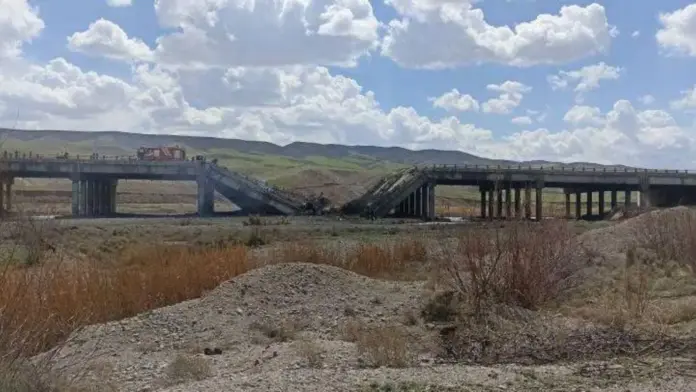
The most visible symbol of the war’s destruction stands in northwestern Iran, where the main bridge connecting Tabriz — the country’s fourth-largest city — to the capital Tehran via Zanjan has collapsed under missile fire. With all airports shuttered, the only route to Tehran is now a gruelling 12-hour road journey. An Islamic Revolutionary Guard Corps barracks on the outskirts of Tabriz has been reduced to rubble by airstrikes, and a nationwide internet blackout has severed Iranians from the outside world.
The human cost at the top of Iran’s power structure has been equally severe. Ayatollah Ali Khamenei was assassinated on 28 February during the opening salvos of the conflict. His son, Mojtaba Khamenei, was seriously wounded in the same attack and has not appeared in public or made any statement since.
Against this backdrop, a US delegation led by Vice-President JD Vance sat across the table from Iranian officials headed by Parliamentary Speaker Mohammad Bagher Ghalibaf in Islamabad on Sunday in a session that stretched 21 hours. Vance declared upon departing that he had placed Washington’s "final and best offer" before the Iranian side.
The two parties remain far apart. Iran’s foreign ministry spokesman Esmail Baghaei outlined Tehran’s core demands as a full end to hostilities, the lifting of all sanctions, and financial retribution for damages caused by US and Israeli strikes. Washington’s red lines are equally uncompromising: zero nuclear enrichment on Iranian soil, the complete dismantling of enrichment facilities, the surrender of all highly enriched uranium, the reopening of the Strait of Hormuz, and the termination of Iranian funding for Hamas and Hezbollah.
The nuclear question sits at the heart of the impasse. Iran holds a stockpile of 440 kilograms of uranium enriched to 60 percent — a level that places it within technical reach of weapons-grade material. Tehran has rejected an American demand for a 20-year moratorium on enrichment, countering with a proposed five-year pause. Rather than surrendering the stockpile outright, Iran has offered to dilute the 60-percent material to lower enrichment levels.
The threat of further economic disruption looms over the talks. Ali Abdollahi, commander of Iran’s highest operational command, has threatened to halt all exports and imports through the Persian Gulf, the Sea of Oman, and the Red Sea — a move that would send shockwaves through global energy markets.
President Donald Trump has made no effort to soften his rhetoric. On 7 April he warned that "a whole civilisation will die tonight" in reference to Iran. Speaking to Fox Business News in mid-April, he claimed the United States could destroy every bridge and every power plant in Iran within a single hour.
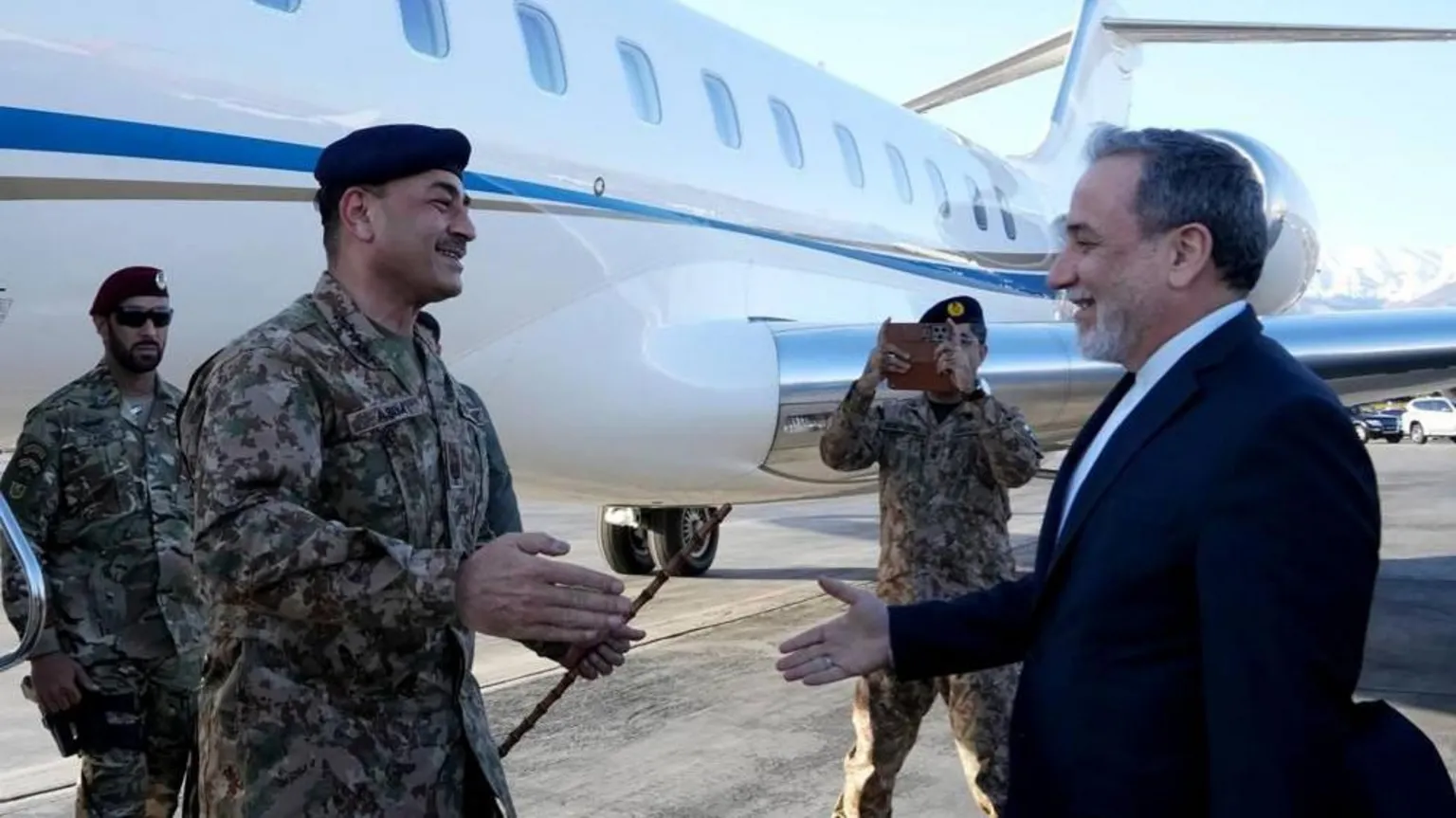
Pakistan has emerged as the indispensable mediator. Field Marshal Asim Munir, Pakistan’s Army Chief, flew to Tehran to accelerate diplomatic efforts, and White House press secretary Karoline Leavitt confirmed that a second round of US-Iran talks is being planned, again in Islamabad with Islamabad serving as host and facilitator. Discussions about extending the two-week truce beyond its current expiry are also under way.
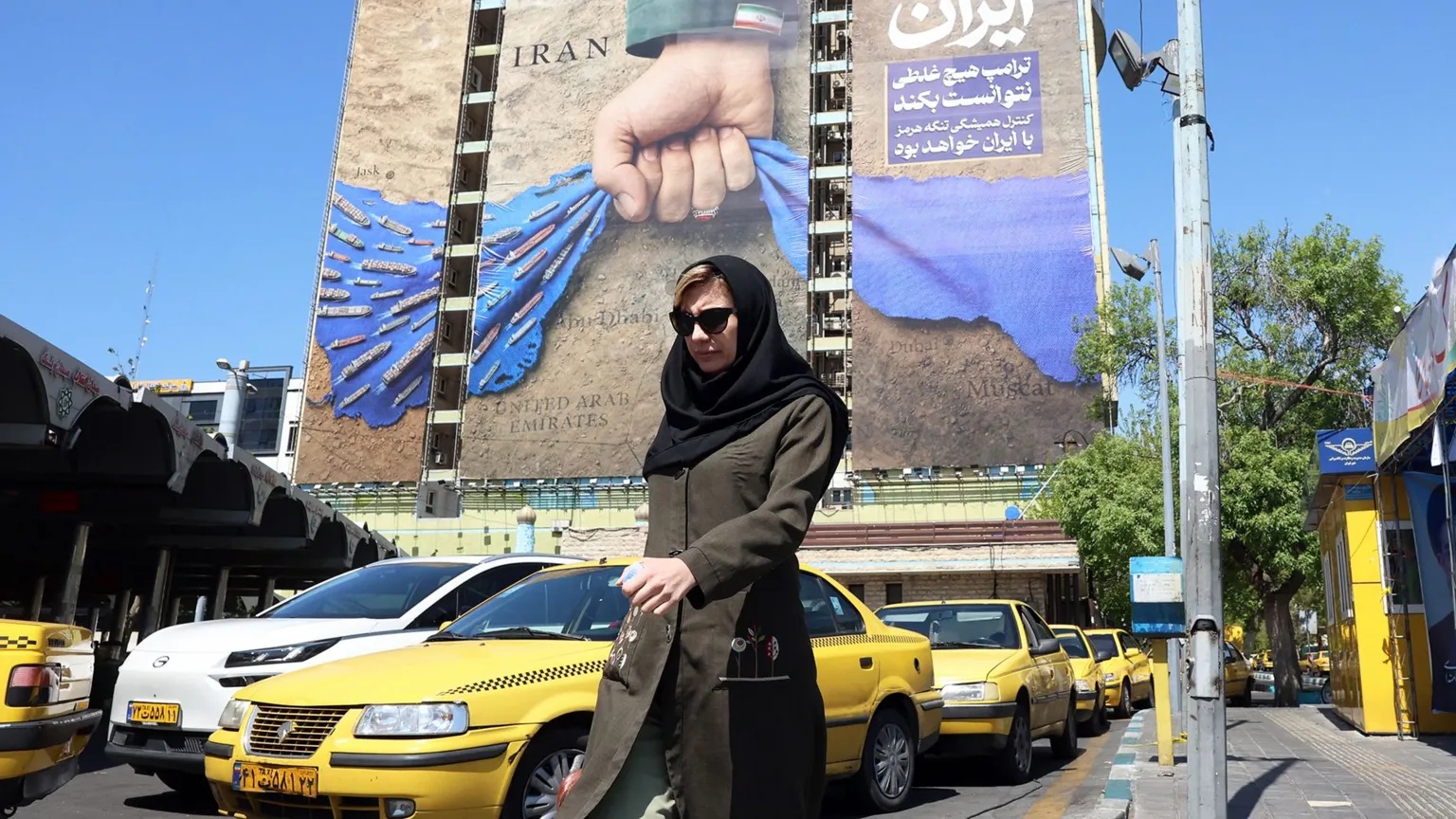
Inside Iran, the war has intersected with pre-existing social fractures. The Woman Life Freedom movement that erupted in 2022 and 2023 left a generation of Iranian women openly defying mandatory veiling laws, a defiance that has continued despite the formal legal framework remaining unchanged. The internet blackout now in force has cut off those voices from international audiences.
The coming days will test whether the Islamabad channel can bridge a gap that 21 hours of direct talks failed to close. With infrastructure crumbling, a leadership vacuum at the apex of the Iranian state, and a ceasefire clock counting down, the margin for diplomatic failure grows narrower by the hour.