The ambassadors of Israel and Lebanon to the United States have agreed to meet face-to-face at the US State Department on Tuesday — a development that marks one of the most significant diplomatic breakthroughs between the two historically hostile nations in decades. The agreement followed a first-ever phone call on Friday at 21:00 Beirut time, in which both ambassadors spoke alongside the US ambassador to Beirut, laying the groundwork for formal discussions on ceasefire conditions.
Israeli Prime Minister Benjamin Netanyahu authorised the direct talks, stating he did so in response to repeated requests from the Lebanese government. Direct communication between the two countries is extraordinarily rare; for generations, any contact has been routed through third-party intermediaries. A senior Lebanese presidency official made clear that substantive negotiations could only proceed once a ceasefire was firmly in place.
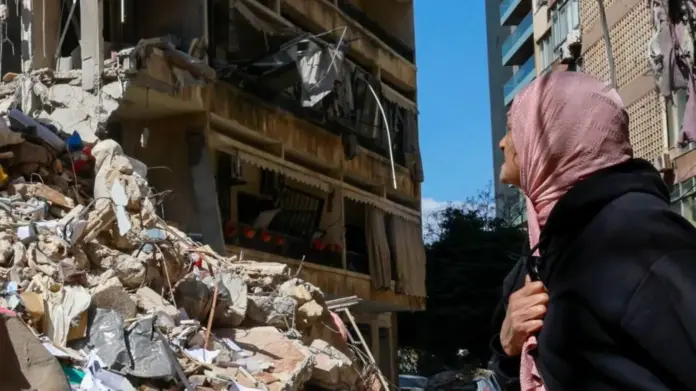
The diplomatic push comes as Lebanon continues to absorb devastating Israeli strikes. Lebanon’s Health Ministry confirmed that the death toll from a massive bombardment carried out on Wednesday had climbed to 357, with a further 1,223 people wounded. The Israeli military maintained that the wave of attacks killed at least 180 Hezbollah fighters. On Friday alone, President Joseph Aoun confirmed that 13 state security personnel were killed in strikes on the southern city of Nabatieh. Seven members of a single family died in the town of Abbassieh, eleven people were killed in Zrarieh, and two more perished when a medical centre in Burj Qalaway was struck. A drone also targeted an ambulance in Toul, though no casualties were reported in that incident.
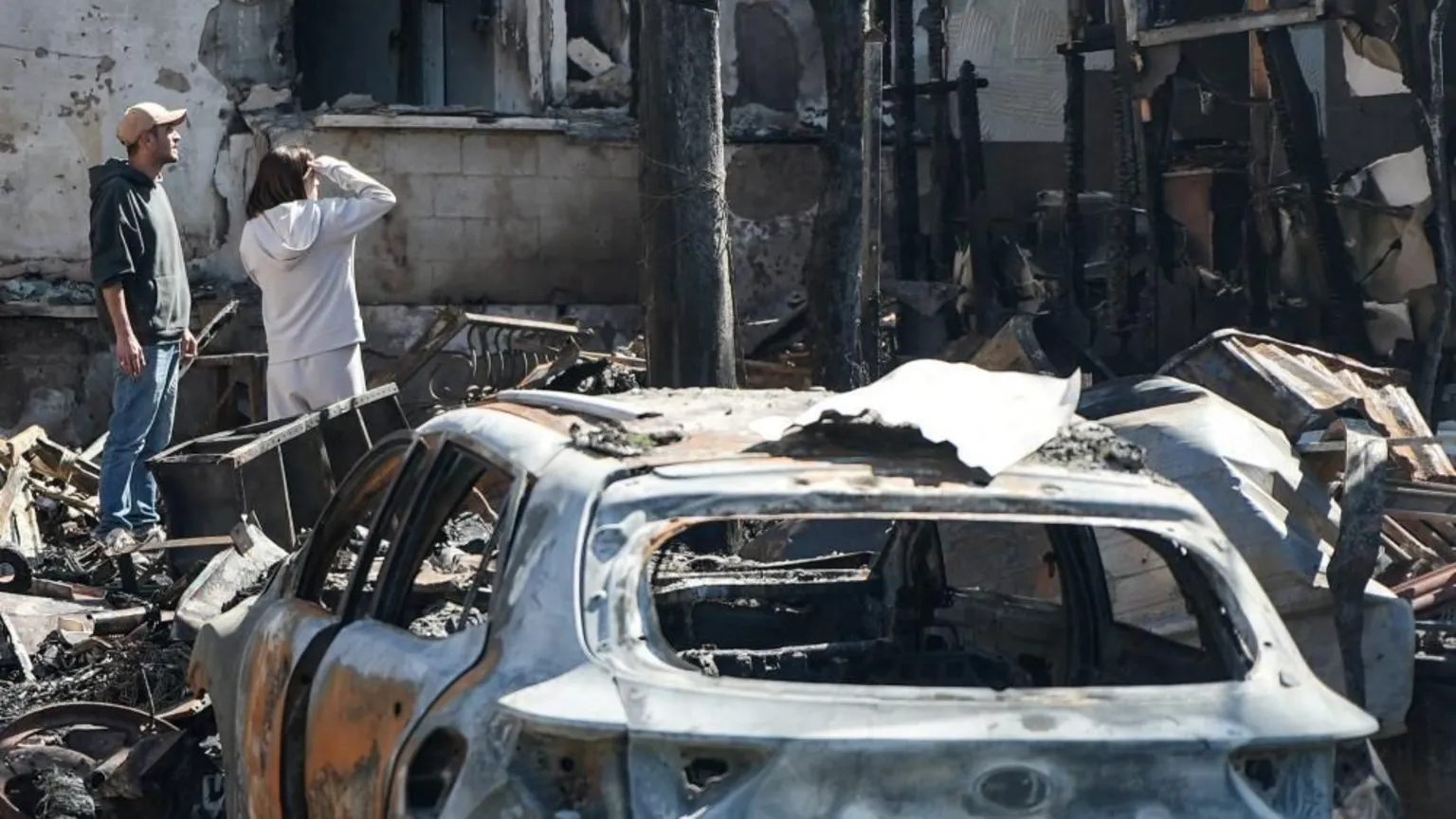
The Israel Defense Forces said they struck approximately ten rocket launchers on Thursday night, which they said had fired into northern Israel. Hezbollah responded with rocket attacks on Kiryat Shmona and Misgav Am in the Upper Galilee on Friday morning. In a significant escalation of range, the group also fired a rocket toward Ashdod — the furthest it has targeted during the current fighting — which was intercepted by Israeli air defences.
Complicating the diplomatic picture is a dispute over the scope of a ceasefire declared by US President Donald Trump earlier in the week between the United States and Iran. Pakistan, which mediated the truce, asserts that Lebanon was included within its terms. Washington and Jerusalem flatly disagree. US Vice-President JD Vance, speaking in Budapest on Wednesday, acknowledged that Iran believed Lebanon was covered by the agreement but insisted it was not. Netanyahu reinforced that position in a statement Thursday night, declaring unequivocally that no ceasefire existed in Lebanon.
Iran’s Deputy Foreign Minister Saeed Khatibzadeh pushed back sharply, telling the BBC that continued Israeli strikes on Lebanese territory constituted a grave violation of the ceasefire framework. The contradictory interpretations have left the diplomatic landscape deeply uncertain, even as the human cost of the conflict mounts by the hour.
The United Nations reports that more than one million people have been displaced inside Lebanon as a result of the fighting. The World Food Programme warned of a deepening food security crisis, driven by disrupted incomes and rapidly rising prices. Aid delivery has become nearly impossible in some areas — WFP convoys attempting to reach southern Lebanon are taking up to 15 hours to cover even short distances, a reflection of the destruction wrought on road infrastructure and the dangers facing humanitarian workers on the ground.
The International Monetary Fund has warned that a prolonged conflict involving Iran risks leaving permanent scars on the global economy, even if a peace agreement is eventually reached. Economists have already pointed to the conflict as a key driver of economic uncertainty in the United States, where inflation surged in March 2026.
Tuesday’s meeting at the State Department will be the first of its kind between Israeli and Lebanese delegations in the current conflict cycle, and only the second major direct engagement in modern history following the indirect US-mediated talks that produced a ceasefire agreement in November 2024. Whether the two sides can bridge the gap between Israel’s insistence on continued military operations and Lebanon’s precondition of a full ceasefire before talks begin will determine whether diplomacy can gain traction before the violence claims further lives.