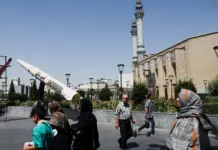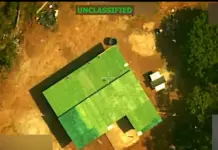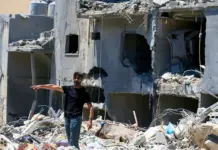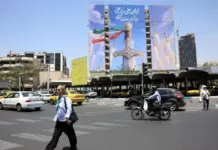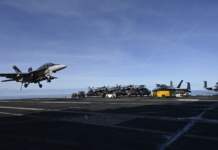
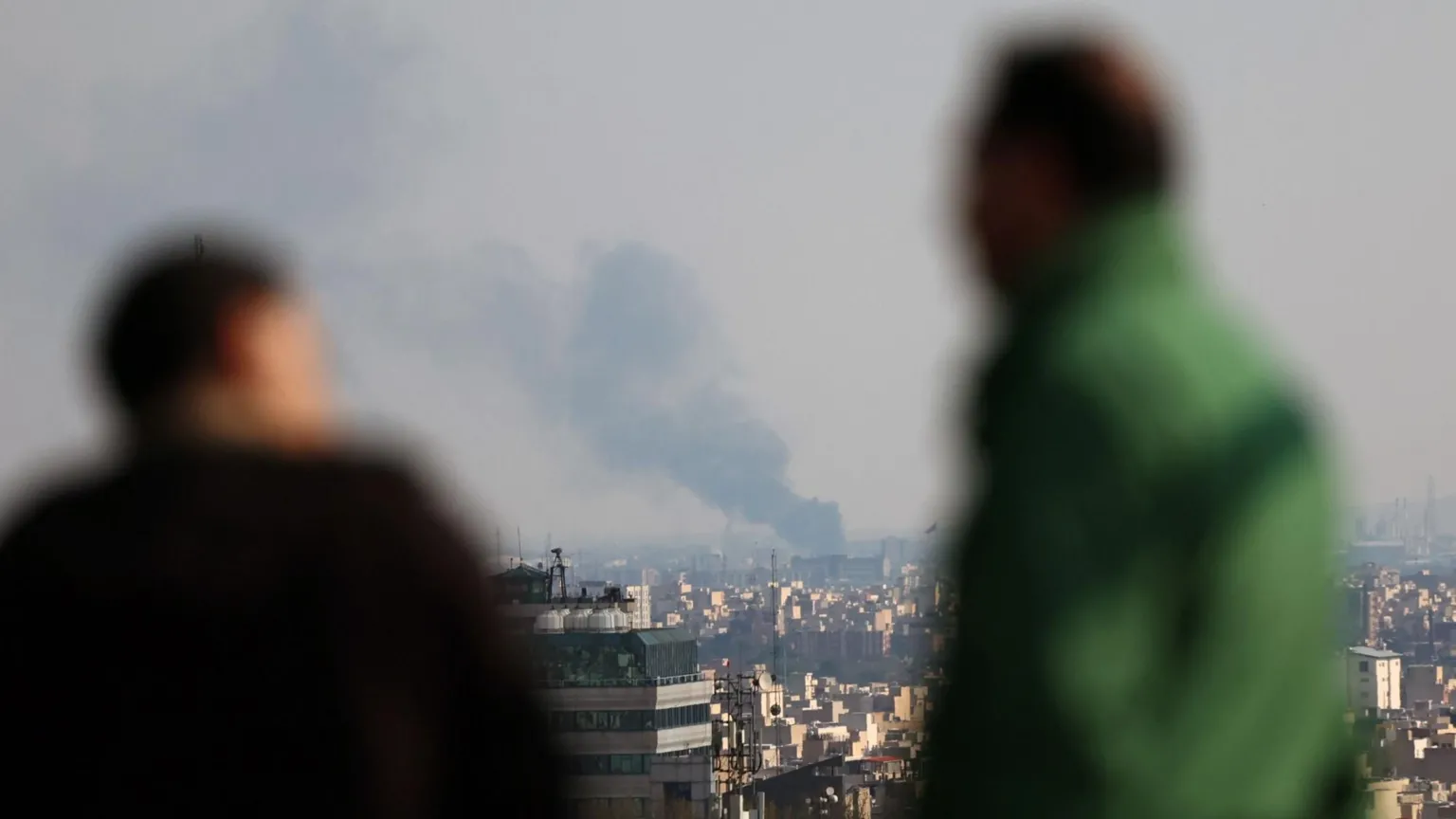
The bombs fall at night. For Setareh, a worker in Tehran, the rhythm of air strikes has made sleep impossible for days on end. A blast struck near the office building where she worked, and her employer responded by shutting the business entirely and laying off all staff. Now she reaches for strong painkillers just to lose consciousness for a few hours — a small mercy in a city that no longer feels safe after dark.
Setareh’s experience is far from isolated. Testimonies gathered from residents across six Iranian cities paint a portrait of a society under compounding pressure: a war approximately one month old, an economy that was already in deep crisis, and a government that has responded to internal dissent with lethal force.
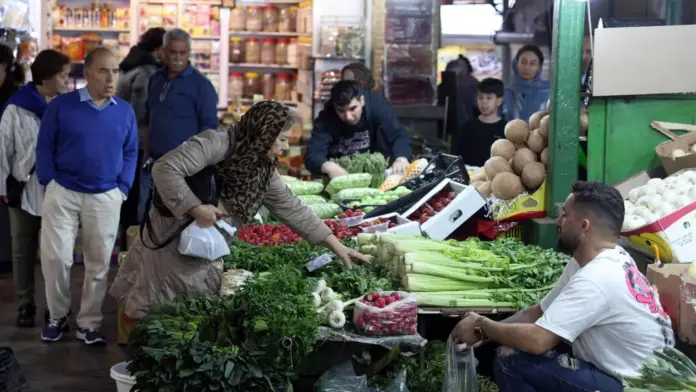
The conflict has cost millions of Iranians their jobs. Even before the first strike, the country’s economic foundations were badly eroded — food prices had risen by 60 percent in the year preceding the war, the cumulative result of years of international sanctions and chronic mismanagement. For many families, that baseline of hardship has now become something far more acute.
In a hospital outside Tehran, a nurse named Tina is watching the early signs of a medical system under strain. Medicine shortages have begun to appear, though she stresses they have not yet reached critical levels. What haunts her most is a case she cannot set aside: a pregnant woman, two months from her due date, killed in an air strike near a military installation. The foetus did not survive either.
Tina’s mother was pregnant during the Iran-Iraq war of the 1980s, a conflict that killed nearly a million people and left Iran bearing the heaviest toll. That generational echo — of carrying new life through bombardment — now feels terrifyingly present again.
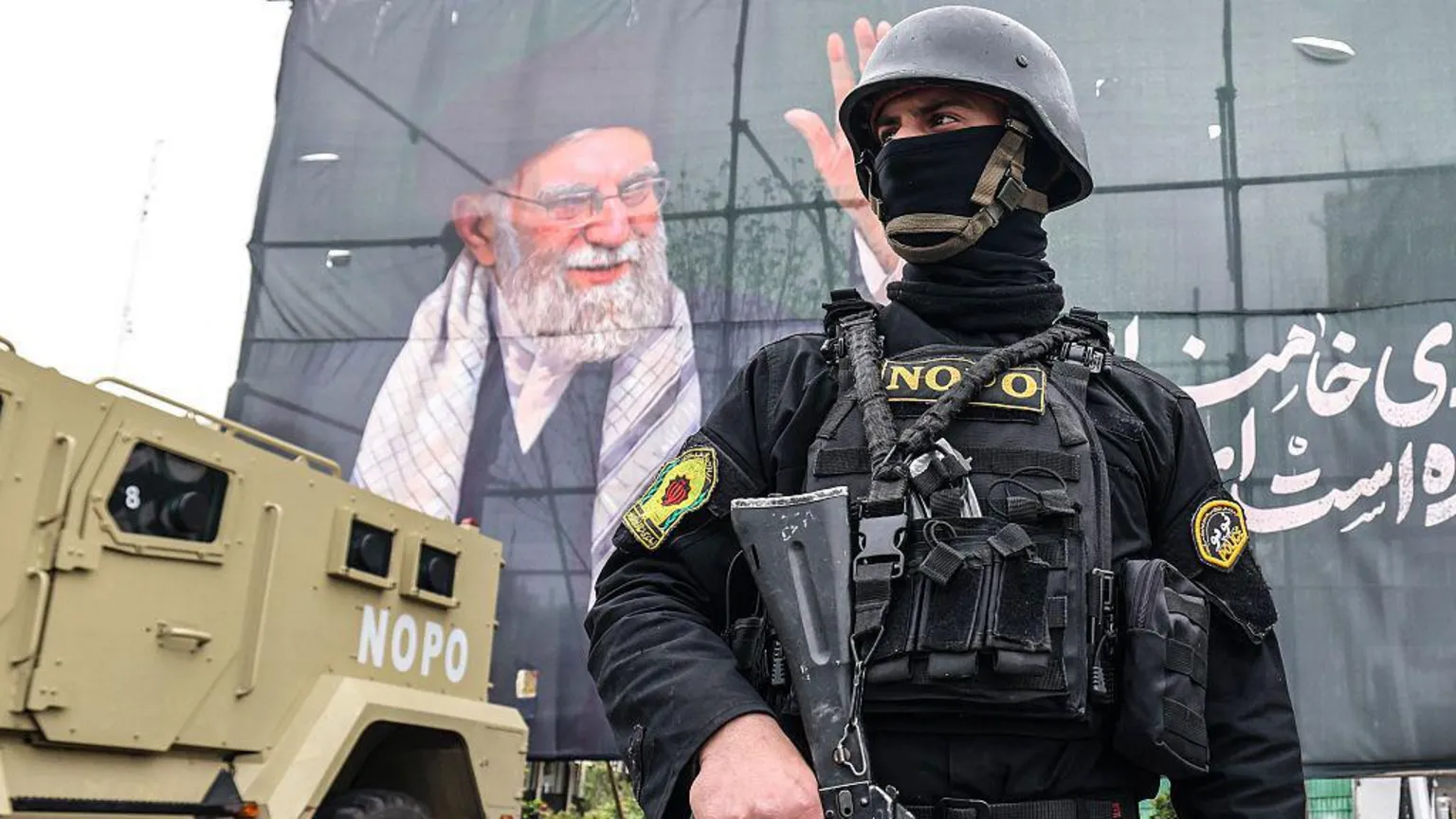
The external military pressure is compounded by the behaviour of the Iranian government toward its own population. In January, security forces killed thousands of citizens during anti-government demonstrations, part of a broader wave of nationwide protests that erupted in late 2025 and continued into early 2026. The regime has since deployed internal security units and loyalist groups to patrol streets, enforcing a climate in which public dissent can result in arrest, torture or execution.
Behnam, a former political prisoner, knows that reality intimately. Shot during the recent protests, he still carries metal fragments in his body and remains in hiding. He stockpiles antibiotics and painkillers in his flat — not for comfort, but as preparation for the next outbreak of street violence he believes is inevitable. His caution is not paranoia. It is institutional memory.
The international dimension of the crisis has been shaped in part by the rhetoric of US President Donald Trump, who threatened to bomb Iran ‘back to the stone ages.’ That language, whatever its strategic intent, lands differently among civilians already sheltering from strikes and rationing medication.
Iran has operated under successive rounds of international sanctions for years, a pressure that has steadily hollowed out its currency, its import capacity and its public services. The war has accelerated that deterioration sharply. Businesses are closing. Supply chains are fracturing. And the people absorbing the consequences — nurses, office workers, dissidents in hiding — are navigating a crisis with no clear end in sight.
What emerges from these accounts is not a single dramatic moment but an accumulation of losses: a job gone, a night without sleep, a patient who will not recover, a child never born. Iran’s civilian population, long accustomed to hardship, is now testing the outer limits of endurance — squeezed between the bombs falling from above and the state pressing down from within.