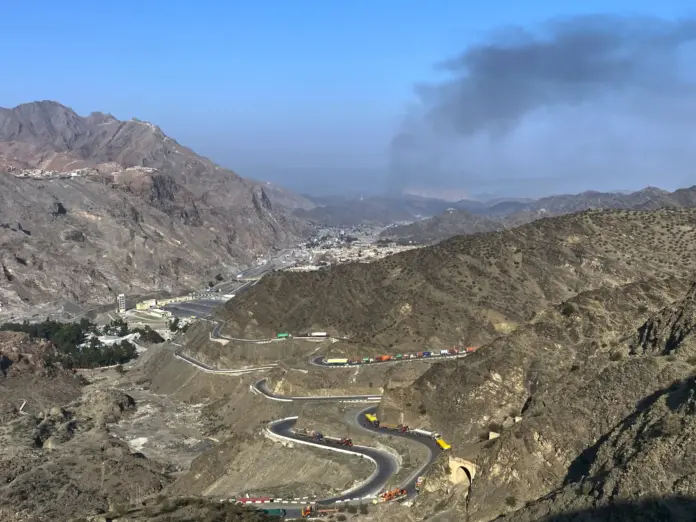
URUMQI, China — Pakistan and Afghanistan are holding preliminary talks in the northwestern Chinese city of Urumqi, as Beijing intensifies efforts to broker an end to months of escalating cross-border conflict that has left dozens dead and severed vital trade and travel links between the two neighbours.
Pakistan’s Foreign Ministry spokesperson Tahir Andrabi confirmed the negotiations on Thursday, describing them as ‘working-level talks.’ A delegation led by a senior official from Pakistan’s Ministry of Foreign Affairs is meeting with an Afghan Taliban delegation in what both sides have framed as a foundation for broader, full-scale dialogue. The meeting is taking place at China’s explicit request.
The fighting, which erupted in October and has persisted for months, represents the most severe deterioration in relations between Islamabad and Kabul since the Afghan Taliban swept back to power following the withdrawal of United States-led forces in 2021. Pakistan has long accused Afghanistan of sheltering fighters from the Pakistani Taliban, known as the TTP — a separate but ideologically allied organisation — who have carried out a sustained campaign of cross-border attacks inside Pakistani territory. Kabul flatly denies the accusations, insisting the violence is a domestic Pakistani problem.
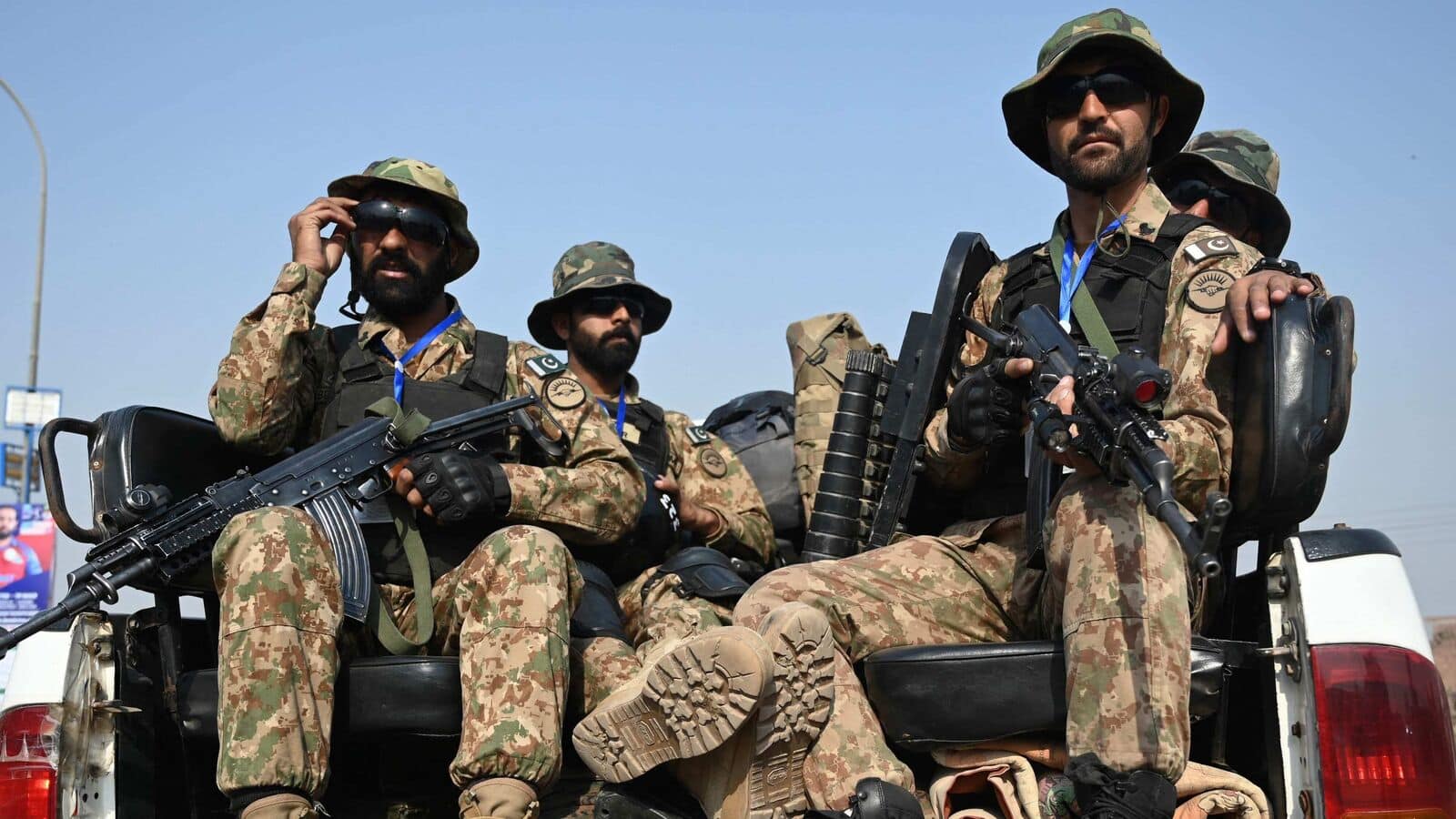
Afghan Foreign Ministry spokesman Abdul Qahar Balkhi said Afghanistan’s delegation intends to engage on issues of good neighbourliness, trade relations, and security. A senior Pakistani security official, however, made clear that Islamabad’s core demands remain unchanged: verifiable action by Kabul against extremist groups, an end to any state support for such organisations, and a firm guarantee that Afghan soil will not be used as a launchpad for attacks against Pakistan.
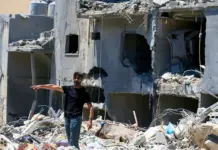
The human cost of the conflict has been severe and, at times, deeply contested. Afghan officials have accused Pakistan of striking a rehabilitation centre in Kabul, claiming more than 400 people were killed in the attack. Pakistan maintained the strike targeted military installations and what it described as ‘terrorist support infrastructure,’ and dismissed allegations of indiscriminate civilian harm, saying its operations are conducted with care to minimise casualties.
The most recent flashpoint came on Wednesday, when Afghan police spokesperson Farid Dehqan reported that Pakistani mortar fire struck Kunar province, killing two civilians and wounding six others, including four children. Pakistan rejected the characterisation of the incident as an attack on civilians.
A temporary pause in hostilities was observed to mark the end of Ramadan, brokered at the request of Saudi Arabia, Qatar, and Turkiye. Sporadic violence along the border has continued since that truce expired.
China has emerged as the central diplomatic actor in the crisis. Beijing dispatched a special envoy last month in an attempt to engineer a negotiated settlement, and the Urumqi talks represent the most concrete outcome of that effort so far. China’s geographic position — sharing borders with both Pakistan and Afghanistan — gives it a direct strategic interest in stabilising the region.
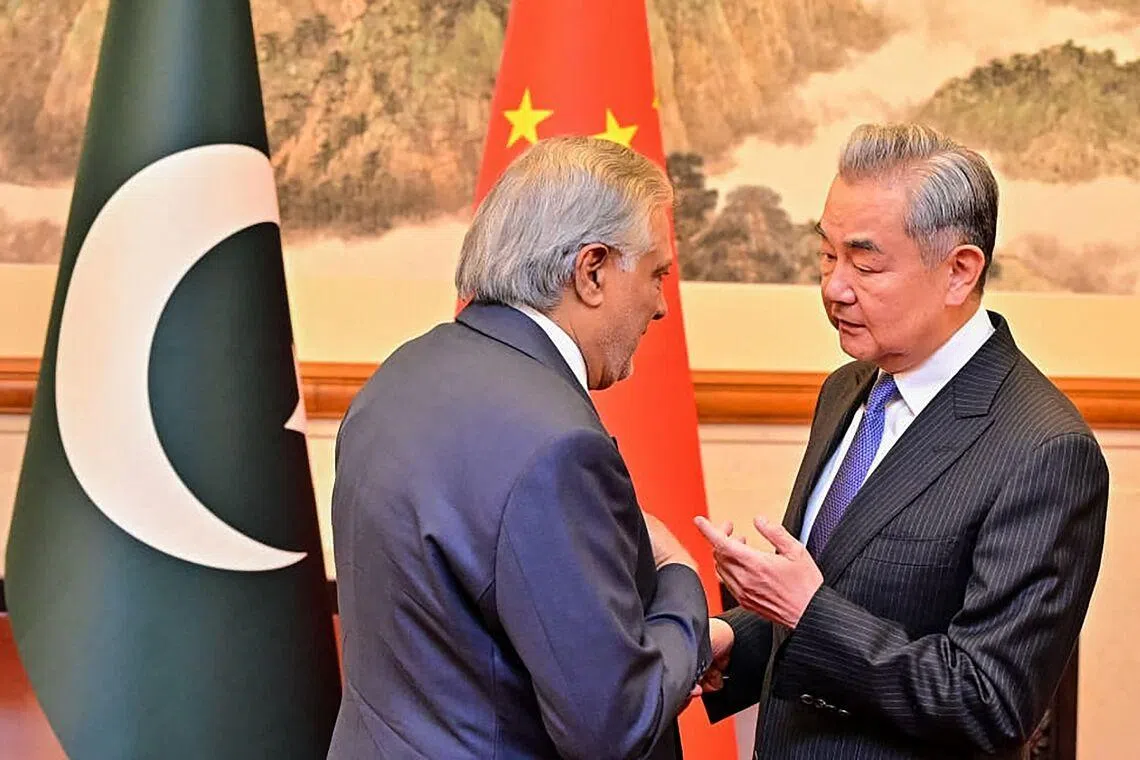
Pakistan’s diplomatic activity has extended well beyond the bilateral dispute. Foreign Minister Ishaq Dar travelled to Beijing on Tuesday, where he met with Chinese Foreign Minister Wang Yi. The two officials agreed on a joint five-point plan for ending the Pakistan-Afghanistan conflict and also discussed Islamabad’s ambitions to facilitate dialogue between Washington and Tehran over their own escalating tensions. Dar was scheduled to return to Islamabad on Wednesday.
On April 2, Pakistan reiterated its position that the primary responsibility for resolving the conflict rests with Kabul, placing the onus squarely on the Taliban government to take concrete and measurable steps against militant networks operating from Afghan territory.
The Urumqi meeting is explicitly designed as a stepping stone rather than a final settlement. Both sides have characterised it as preliminary, and the gap between their stated positions remains wide. Pakistan insists on verifiable counterterrorism commitments; Afghanistan insists there is nothing to verify. Whether China’s mediation can bridge that divide will determine whether the talks produce a durable ceasefire or simply another temporary pause in a conflict that shows little sign of resolution.