The United Kingdom is convening an emergency gathering of 35 nations on Thursday to chart a path toward reopening the Strait of Hormuz, the critical waterway that has been virtually closed since the United States and Israel launched strikes against Iran on February 28, 2026 — a blockade that has paralysed global energy markets and left nearly 1,000 ships stranded at sea.
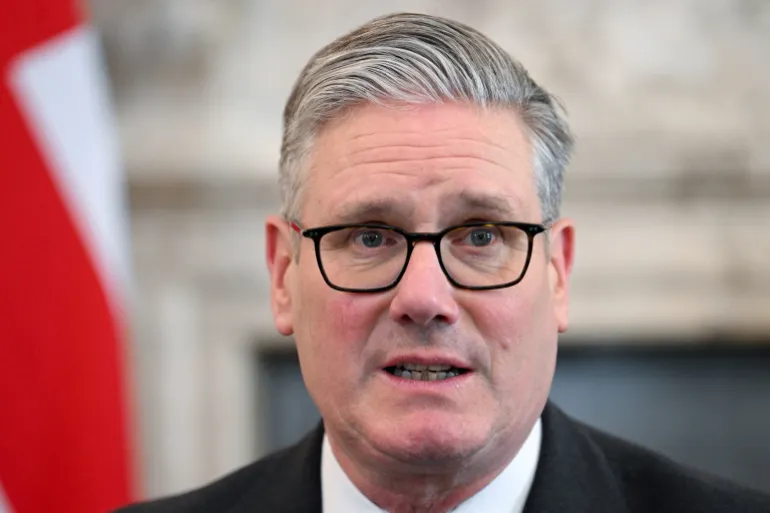
Prime Minister Keir Starmer announced the initiative on Wednesday, describing the task ahead as formidable. ‘Reopening the strait will not be easy,’ he said, acknowledging the scale of the diplomatic, military, and logistical challenge facing the international community. Foreign Secretary Yvette Cooper will chair the virtual meeting, which marks the first time this coalition of nations has assembled to develop a concrete plan for restoring passage through the waterway.
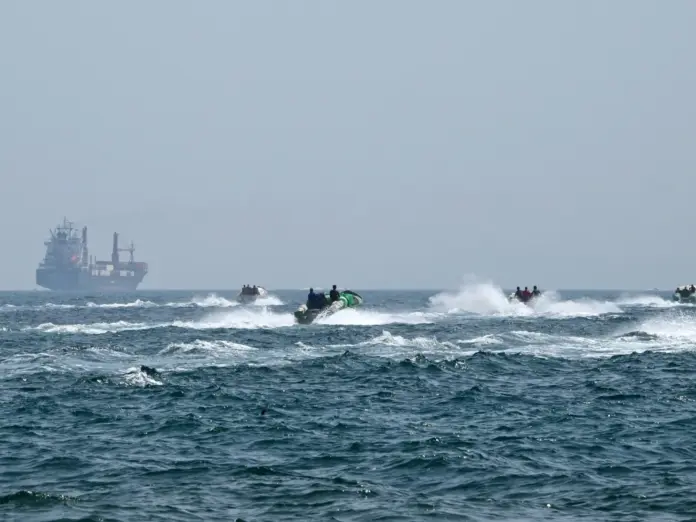
The stakes could scarcely be higher. In peacetime, roughly one-fifth of the world’s oil and liquefied natural gas transits the strait daily — a volume that translates to approximately 130 ships every 24 hours. Since Iran effectively closed the waterway in response to the US-Israeli campaign, only around 130 vessels in total have managed to pass through. A third of global fertiliser supplies, critical to producing food for half the world’s population, also moves through the strait, raising alarm about downstream shortages far beyond the energy sector.
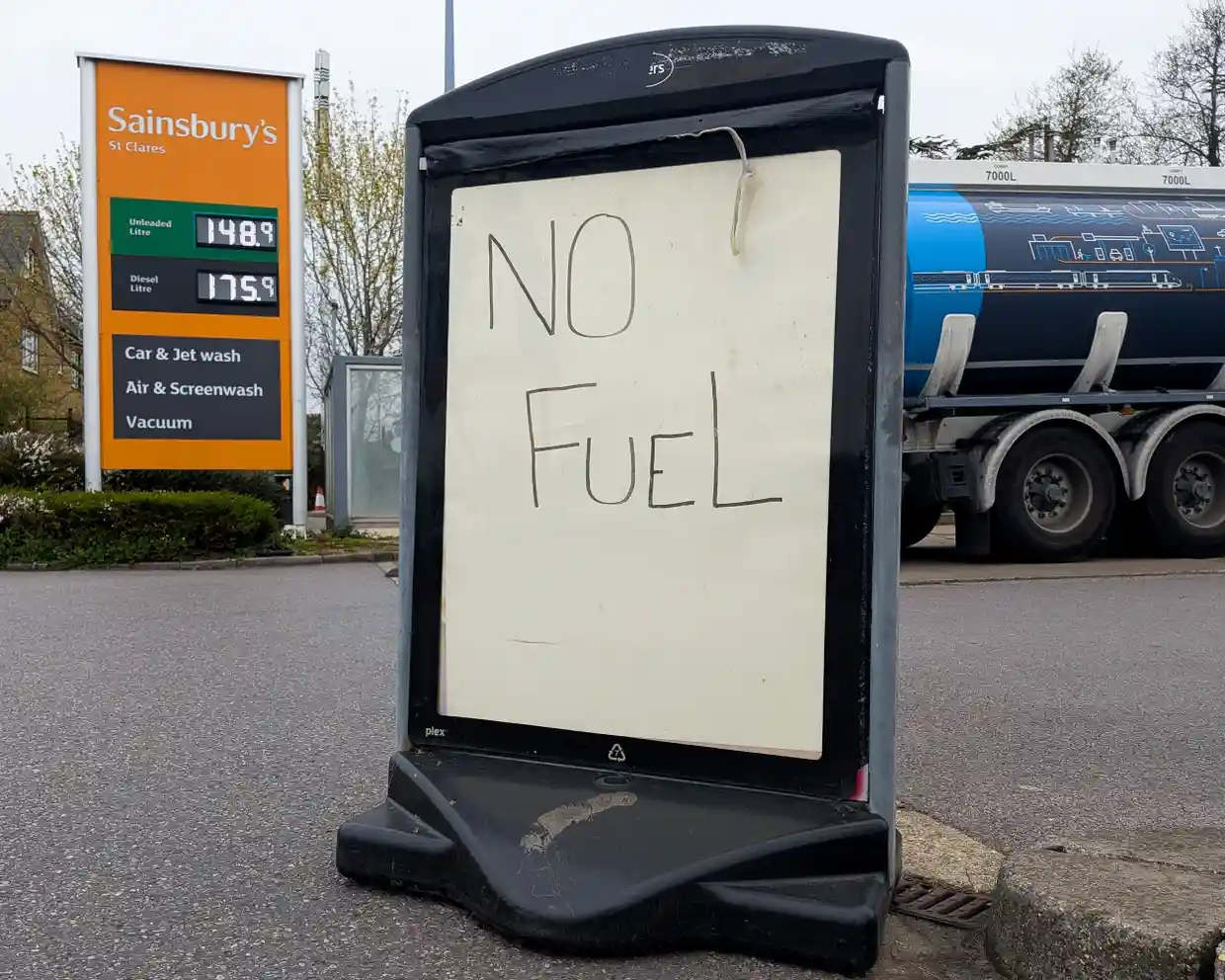
Thursday’s talks will focus on three interlocking priorities: restoring freedom of navigation, guaranteeing the safety of trapped ships and their crews, and resuming the movement of vital commodities. Following the meeting, the UK plans to convene military planners — the Ministry of Defence has already dispatched personnel to US Central Command to examine options — to assess how to make the strait accessible once active fighting ceases.
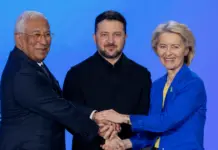
A joint statement backing efforts to ensure safe passage has been signed by a broad coalition including the UK, France, Germany, Italy, the Netherlands, Japan, Canada, South Korea, New Zealand, the United Arab Emirates, and Nigeria. The breadth of signatories reflects the global economic exposure to the crisis, with energy prices rising sharply since the closure began and multiple governments announcing plans to release strategic oil and gas reserves to cushion the impact.
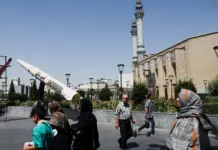
Iran’s Islamic Revolutionary Guards Corps has been unequivocal about its position, stating that the strait remains under the control of its navy and will stay closed to what it characterises as enemies of Iran. The blockade is a direct response to the US-Israeli military campaign, and Tehran has shown no indication of backing down while strikes continue.
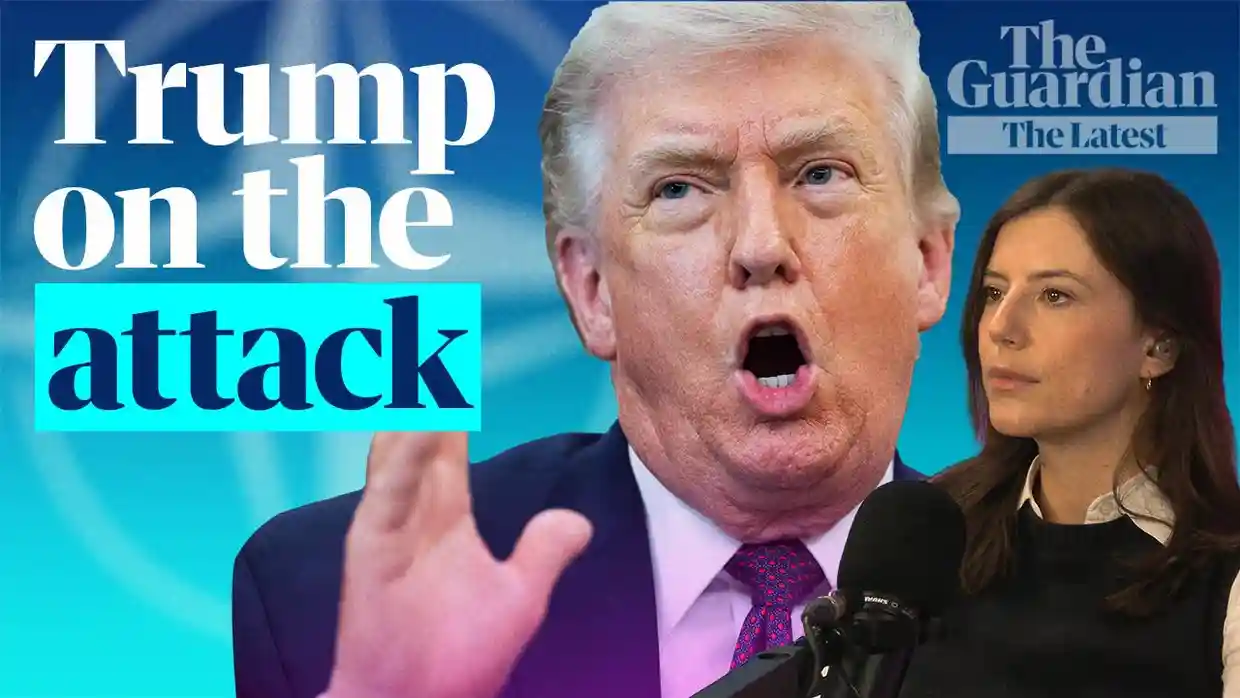
The diplomatic picture is further complicated by the posture of President Donald Trump, who has publicly accused European nations of failing to contribute meaningfully to the US war effort and of doing too little to reopen the waterway. In a post on Truth Social, Trump suggested that countries struggling to secure jet fuel should either purchase it from the United States or ‘go to the Strait, and just TAKE IT.’ He also declared that Iran had been ‘essentially decimated’ and characterised the hardest phase of the conflict as complete, while simultaneously stating there would be no ceasefire until Tehran relinquished control of the waterway.
Notably, Washington has not been invited to participate in Thursday’s talks — a pointed omission that underscores the growing friction between the United States and its European allies over both the conduct of the conflict and the strategy for its aftermath. Starmer convened energy and shipping industry leaders at Downing Street on Monday ahead of the broader multilateral meeting, signalling the urgency London attaches to the crisis.
The Strait of Hormuz, a narrow chokepoint between Iran and Oman at the mouth of the Persian Gulf, has long been regarded as one of the world’s most strategically sensitive maritime passages. Its closure, even partial, sends immediate shockwaves through commodity markets and supply chains that stretch across every continent. The current disruption is among the most severe the strait has experienced, with the near-total halt in tanker traffic representing an unprecedented test of the international community’s ability to coordinate a response to a crisis that is simultaneously military, diplomatic, and economic in nature.