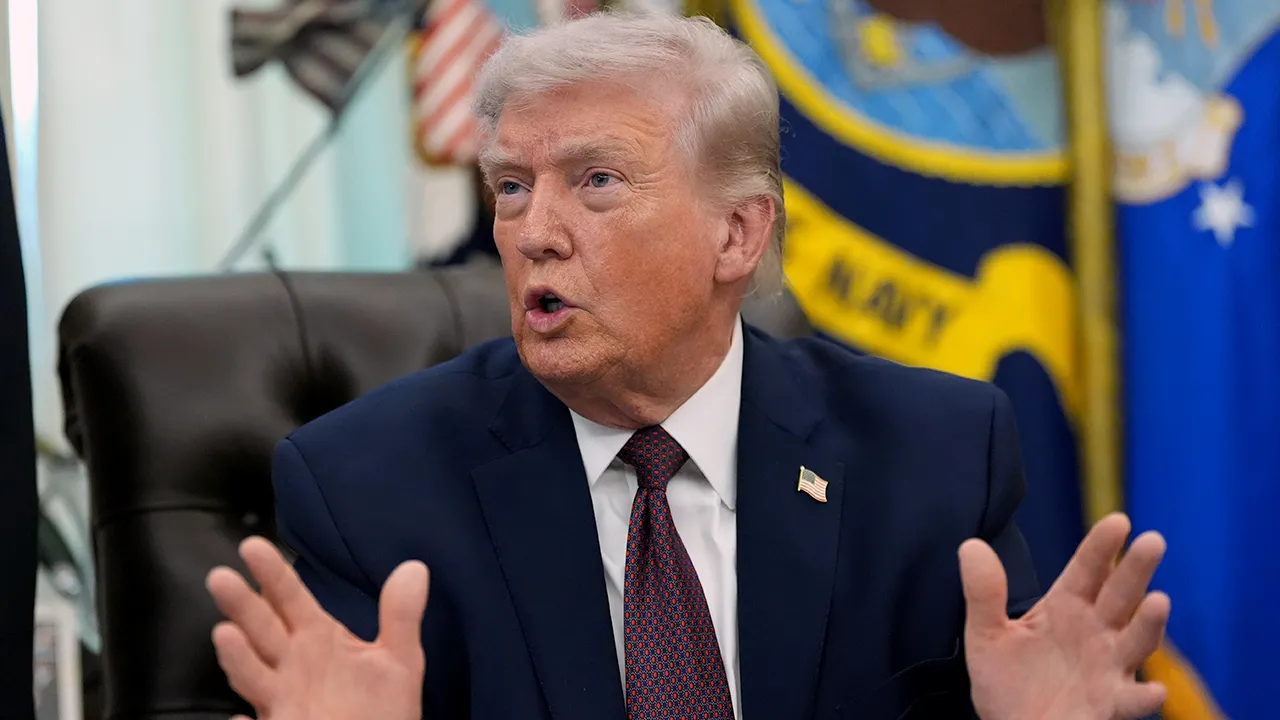
President Donald Trump has threatened to pull the United States out of NATO, describing the alliance as a "paper tiger" after European member states refused to back American military operations against Iran or contribute warships to reopen the Strait of Hormuz. The remarks, published Wednesday in an interview with a British newspaper, mark the most serious challenge to the transatlantic alliance in its post-World War II history.
"Reconsidering NATO membership is beyond consideration," Trump stated, while simultaneously confirming he was strongly weighing an American exit — a contradiction that underscored the volatile nature of Washington’s posture toward its oldest allies. Secretary of State Marco Rubio reinforced the administration’s frustration, stating that if NATO existed solely to defend Europe without reciprocal obligations, the arrangement would need to be fundamentally re-examined.
The rupture has been building since the US-Israel military campaign against Iran entered its second month, with European governments drawing sharp lines over their participation. Spain moved first and most decisively, closing its airspace to American military aircraft involved in the Iran conflict on Monday. Defence Minister Margarita Robles stated Spain’s position was unambiguous, and Madrid additionally barred Washington from using jointly operated military bases on Spanish soil. Prime Minister Pedro Sanchez called the war both "unjustifiable" and "dangerous." Trump responded by threatening to sever trade ties with Spain.
Italy denied US bombers access to a military base in Sicily, with Rome announcing each American request would be evaluated individually on a case-by-case basis. France refused to permit aircraft carrying military supplies destined for Israel to transit French airspace, drawing a sharp rebuke from Trump, who labelled Paris "VERY UNHELPFUL" on his Truth Social platform. Germany‘s Defence Minister Boris Pistorius was blunt: "This is not our war. We have not started it." Poland‘s defence minister Wladyslaw Kosiniak-Kamysz announced Warsaw had no plans to redeploy its Patriot air defence systems to the Middle East, citing Polish national security as an absolute priority.
The United Kingdom adopted the most nuanced position among major allies, permitting US bombers to operate from British bases only for missions defined as defensive — including strikes on Iranian military installations. Prime Minister Keir Starmer declared, "This is not our war. We will not be drawn into the conflict," while simultaneously insisting Britain remained "fully committed to NATO," which he described as "the single most effective military alliance the world has ever seen." Trump publicly mocked the British military, claiming the UK "doesn’t even have a navy" and possesses "aircraft carriers that didn’t work." Starmer responded that he would act in the British national interest in all decisions he makes.
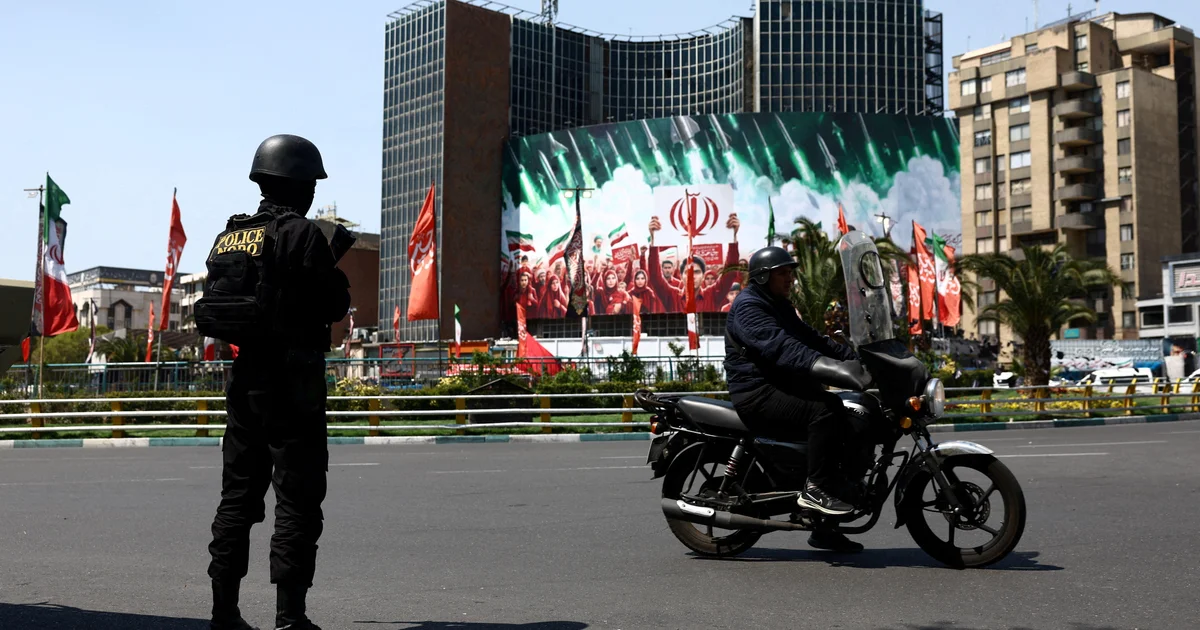
At the centre of the dispute lies the Strait of Hormuz, the narrow waterway through which approximately one-fifth of the world’s oil and gas exports flow. Iran moved to restrict access to the strait in retaliation for American offensive operations, triggering an energy shock that has pushed oil and gas prices up by as much as 60 percent in some markets, though oil fell below $100 per barrel following Trump’s comments suggesting the conflict may be nearing its end. Trump posted on Truth Social that nations should "TAKE" the strait, while also warning he would "obliterate" Iranian civilian power plants if the waterway was not reopened by April 6. He simultaneously stated, "What happens in the strait, we’re going to have nothing to do with" — a signal of potential disengagement that rattled energy markets.
European nations including Italy, the UK, France, Greece and others rejected Trump’s request to form a naval coalition to force the strait open. France‘s Ministry of the Armed Forces disclosed it is in active discussions with approximately 35 countries about a separate mission to reopen the waterway once hostilities cease. Starmer confirmed London is exploring the use of mine-hunting drones in the region in coordination with other allies.
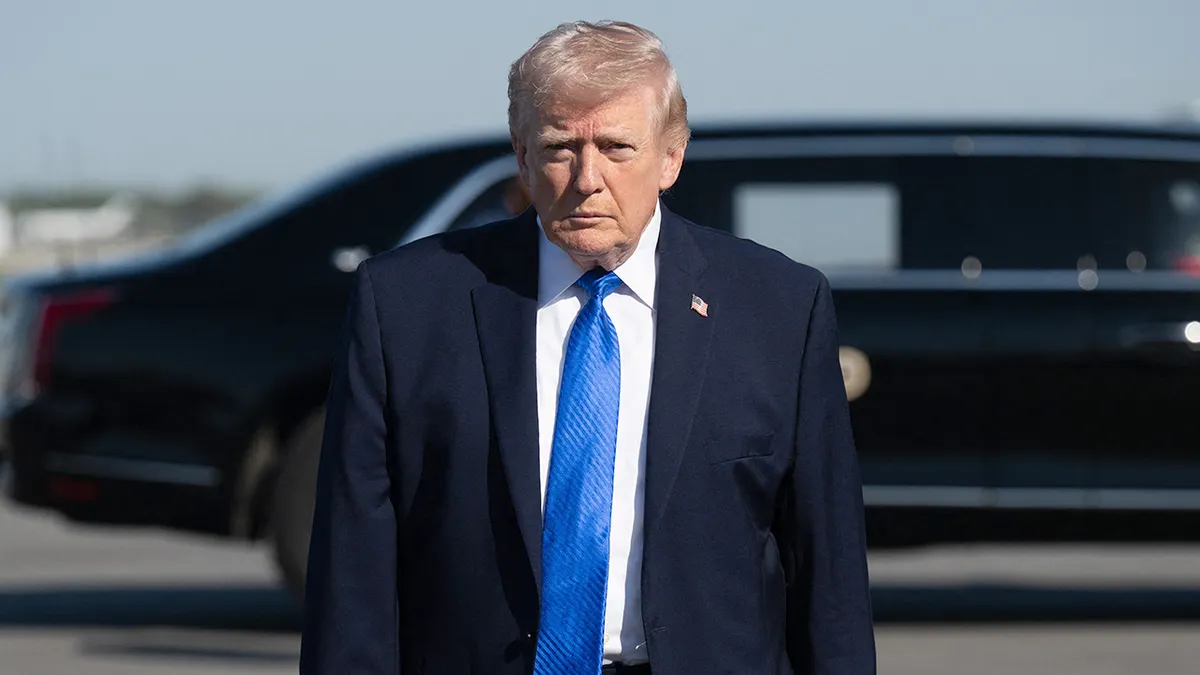
Diplomatic signals from Tehran offered a potential off-ramp. Iranian President Masoud Pezeshkian, who has held office since July 2024, told the European Council president on Tuesday that Iran possesses the "necessary will" to reach a deal ending the war. Trump separately confirmed that Iran has requested a ceasefire and expressed confidence that American operations would conclude within two to three weeks.
The strategic consequences of the transatlantic breakdown extend well beyond the immediate conflict. Samir Puri, a visiting lecturer on war studies at King’s College London, warned that the bond holding NATO together weakens further with each escalation of tensions over the Iran war. Trump’s longstanding scepticism of the alliance — he referenced the Ukraine conflict as an example of the US being "automatically present" for problems he does not consider American concerns — has now crystallised into an explicit threat that European capitals are struggling to dismiss as mere rhetoric.