WASHINGTON — President Donald Trump is weighing a military operation to physically seize Iran’s stockpile of enriched uranium, a mission that defence experts warn would rank among the most operationally complex undertakings in the history of special operations warfare.
The White House confirmed Trump has not made a final decision, but the deliberations signal a dramatic escalation in strategic thinking as the United States and Israel continue military pressure on Tehran’s nuclear programme. In a CBS News interview Tuesday, Trump declined to state whether victory in the broader campaign could be declared without removing or destroying Iran’s enriched uranium, describing the stockpile as ‘deeply buried’ and ‘pretty safe’ even after US-Israeli airstrikes last June.
Mick Mulroy, a former deputy assistant secretary of defence for the Middle East, characterised the potential mission in stark terms. Seizing the uranium, he said, would be ‘one of the most complicated special operations in history.’ The assessment reflects the extraordinary logistical, tactical, and radiological challenges involved in extracting nuclear material from hardened underground facilities deep inside Iranian territory.
At the outset of the conflict, Iran possessed approximately 440 kilograms of uranium enriched to 60% — a level approaching weapons-grade — along with roughly 1,000 kilograms enriched to 20% and 8,500 kilograms enriched to 3.6%, according to senior US officials. The operation under consideration would focus on recovering approximately half a tonne of the most sensitive material, which exists in gaseous form and is believed to be stored in large metal containers.
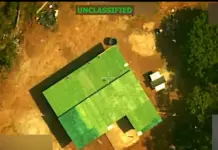
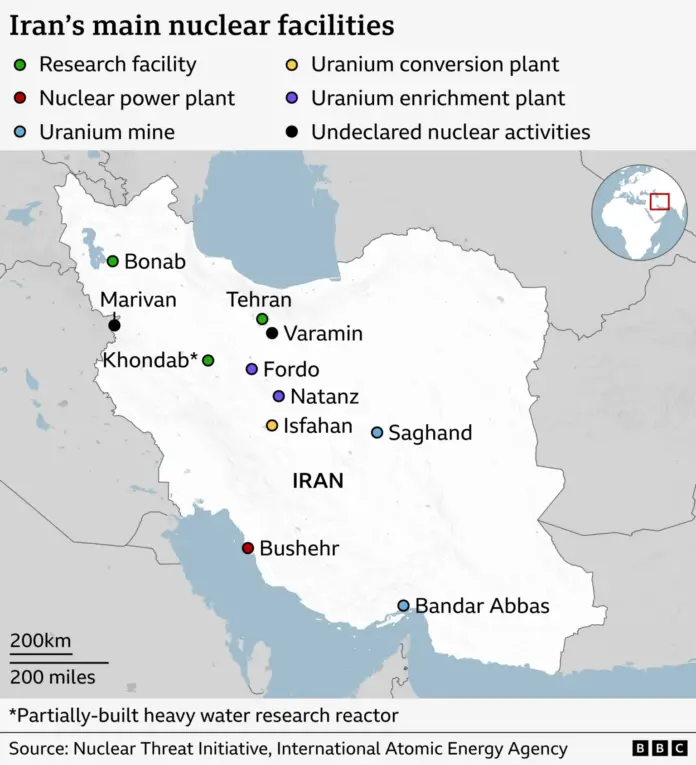
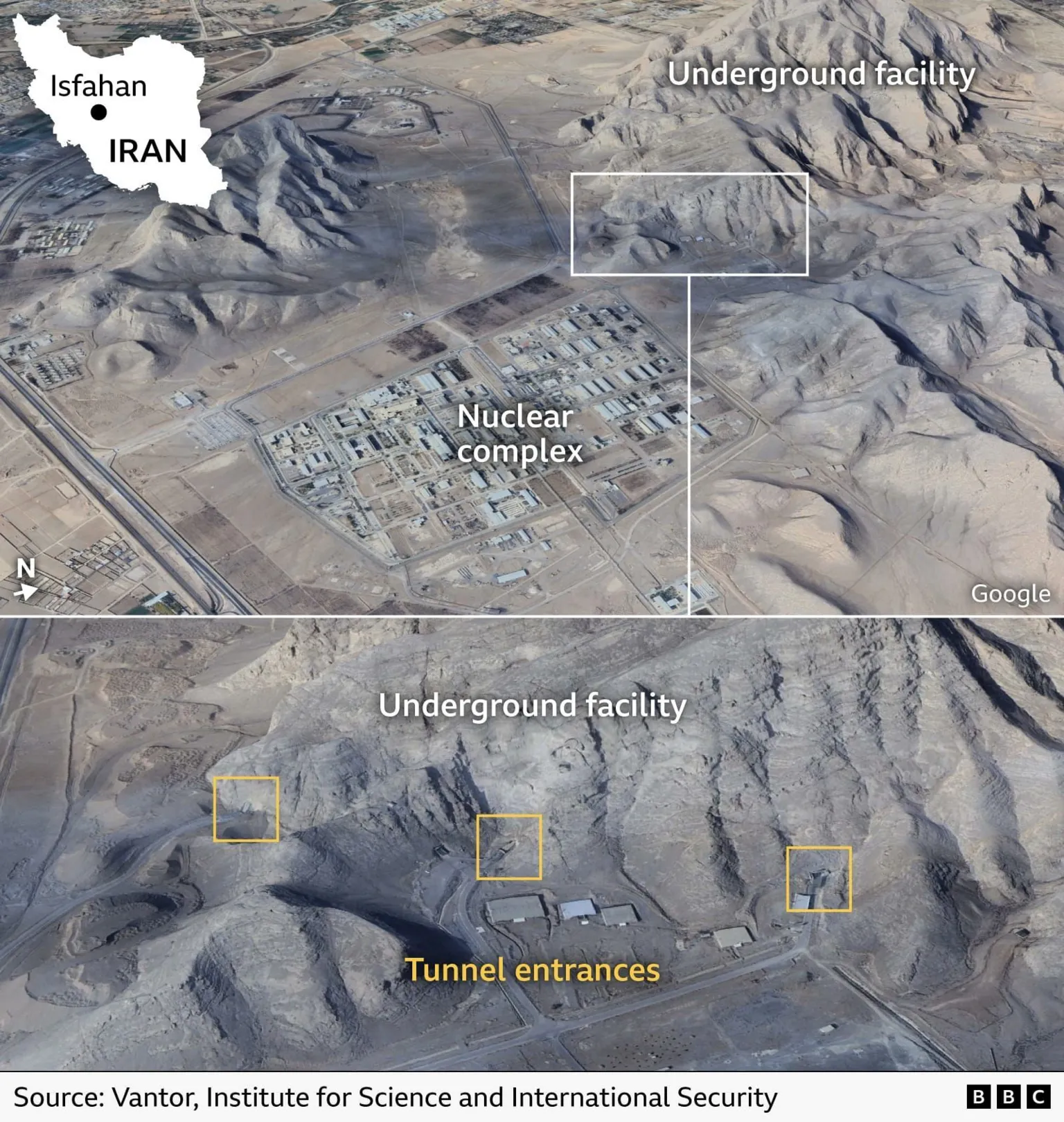
The primary target would be Isfahan, located some 300 miles inland from Iran’s third-largest city, where the director of the International Atomic Energy Agency, Rafael Grossi, confirmed the majority of Iran’s highly enriched uranium is held. Additional quantities may be stored at the underground facilities at Natanz and Fordo. Isfahan is among three underground nuclear sites struck during the US-Israeli air campaign in 2025, though IAEA inspectors have been unable to assess the damage — they were evacuated following those strikes and have not returned since.
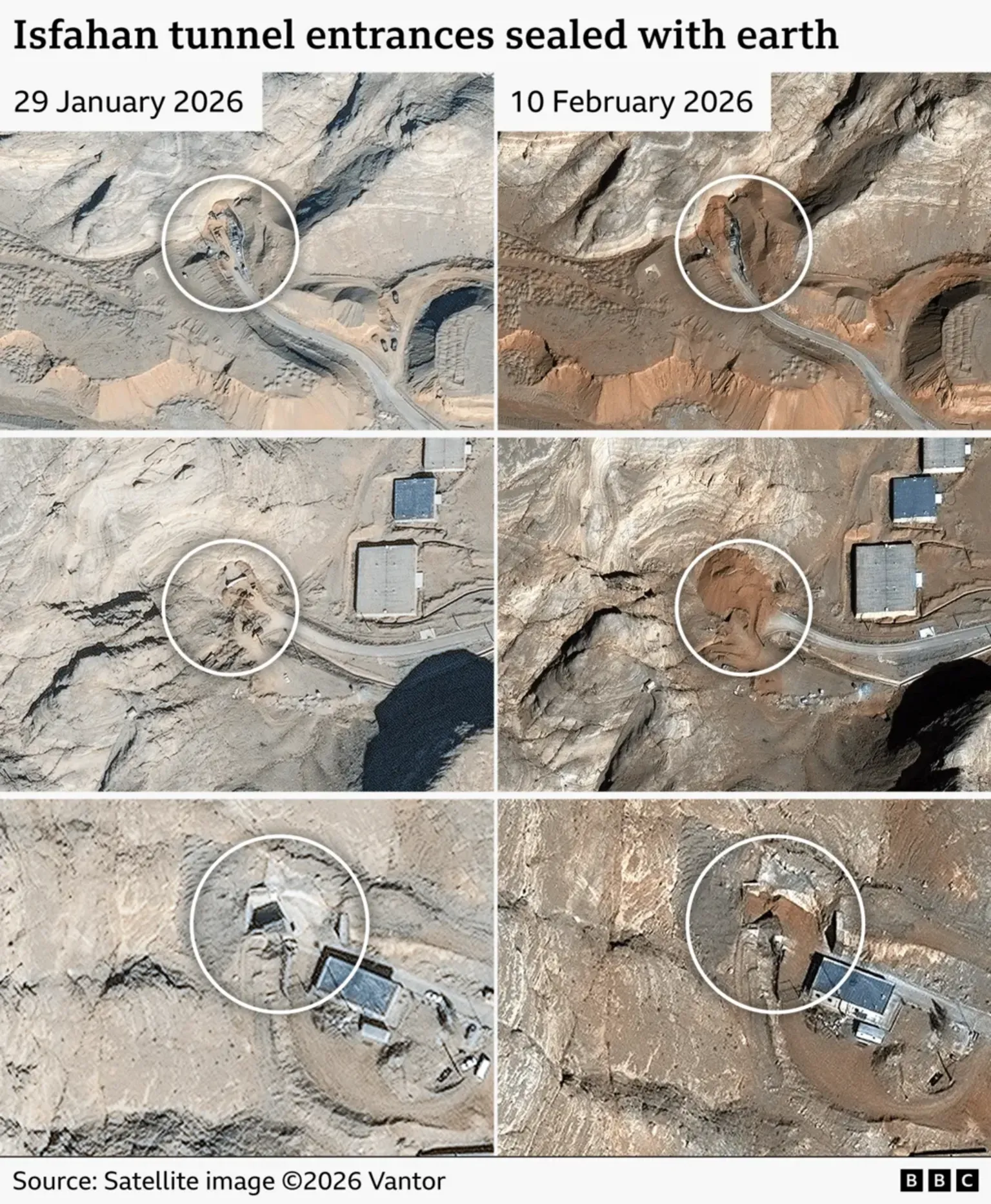
Satellite imagery captured in February added a layer of uncertainty to the planning calculus: all entrances to Isfahan’s tunnel complex appeared sealed with earth, raising questions about the condition and accessibility of the site. Former senior US defence official Jason Campbell noted that precise knowledge of the stockpile’s location would significantly simplify any retrieval mission, underscoring how critical intelligence gaps remain.
Experts are unequivocal that the operation cannot be executed without ground forces. The current planning envisions deploying elements of the 82nd Airborne Division, already positioned in the Middle East, to secure the perimeter around Isfahan and Natanz. Specialised special operations units trained in handling nuclear material would then move in to retrieve the uranium. The mission could span several days or extend into weeks.
One alternative to physical extraction discussed among senior administration officials involves diluting Iran’s highly enriched uranium on site — a slower process. Jonathan Ruhe, an expert on Iran’s nuclear programme at the Jewish Institute for National Security of America, argued that seizure and removal is the faster option, though it carries far greater operational risk.
Beyond the uranium question, other military options remain on the table. Among them is a potential US seizure of Kharg Island, Iran’s primary oil export terminal, as leverage to pressure Tehran into reopening the Strait of Hormuz — a critical global shipping lane whose closure would send energy markets into turmoil.
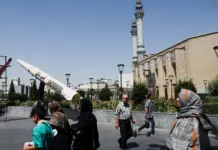
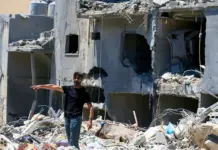
The broader military campaign has already reshaped Iran’s strategic capabilities. US and Israeli strikes have decimated Iran’s navy, degraded its ballistic missile arsenal, and damaged significant portions of its industrial base. Yet the fate of the nuclear stockpile — the central prize of the entire campaign — remains unresolved, and with it, the ultimate question of whether Iran’s path to a nuclear weapon has been permanently closed or merely delayed.
The administration’s deliberations come amid intense international scrutiny. With IAEA inspectors locked out of Iranian facilities and satellite data offering only partial visibility, the precise status of Iran’s remaining nuclear material is uncertain — a fact that complicates both the military planning and any eventual diplomatic resolution.