BAIDOA, Somalia — Somalia’s national army marched into Baidoa on Monday, seizing control of the administrative capital of Southwest state in a swift federal intervention that forced the region’s long-serving president to step down and sent thousands of residents fleeing into the surrounding countryside.
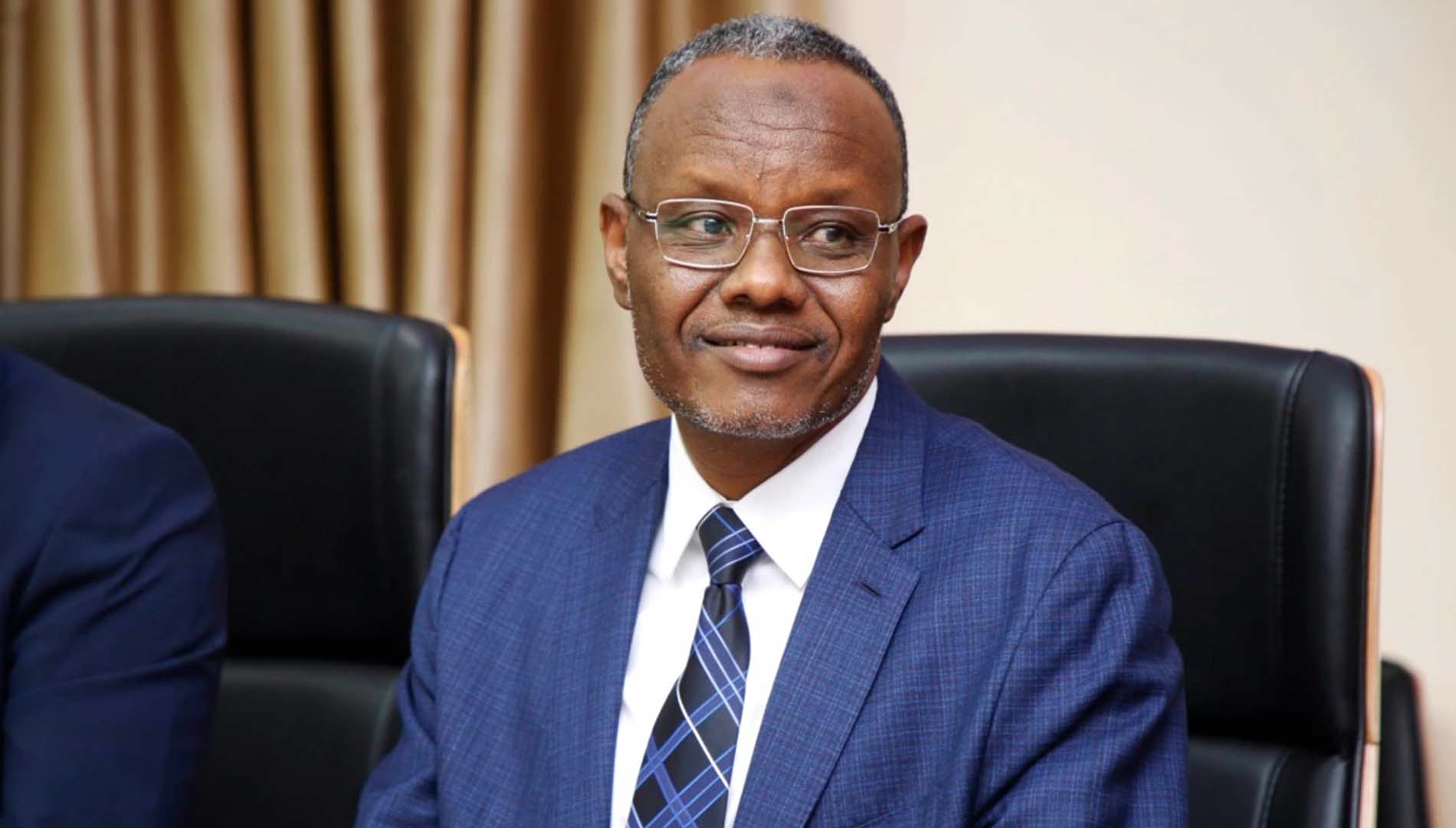
Abdiaziz Hassan Mohamed Laftagareen, who had governed Southwest state for more than seven years, resigned on March 30, 2026 — just days after winning re-election to a second five-year term. The federal government in Mogadishu had declared that re-election illegal, setting the stage for a confrontation that had been building for weeks. Two weeks before the army’s arrival, Laftagareen’s administration announced it was severing ties with the federal government entirely.
Federal forces entered Baidoa, located approximately 245 kilometres (150 miles) northwest of Mogadishu, on Monday morning. Somalia’s Ministry of Information stated that troops were welcomed by residents and that the former Southwest administration had been responsible for creating political conflict. Following Laftagareen’s departure, Ahmed Mohamed Hussein, the region’s finance minister, was appointed acting president through a formal decree.
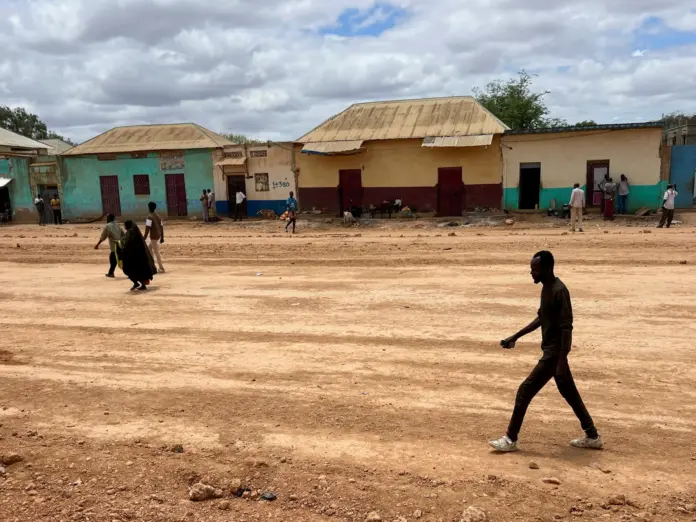
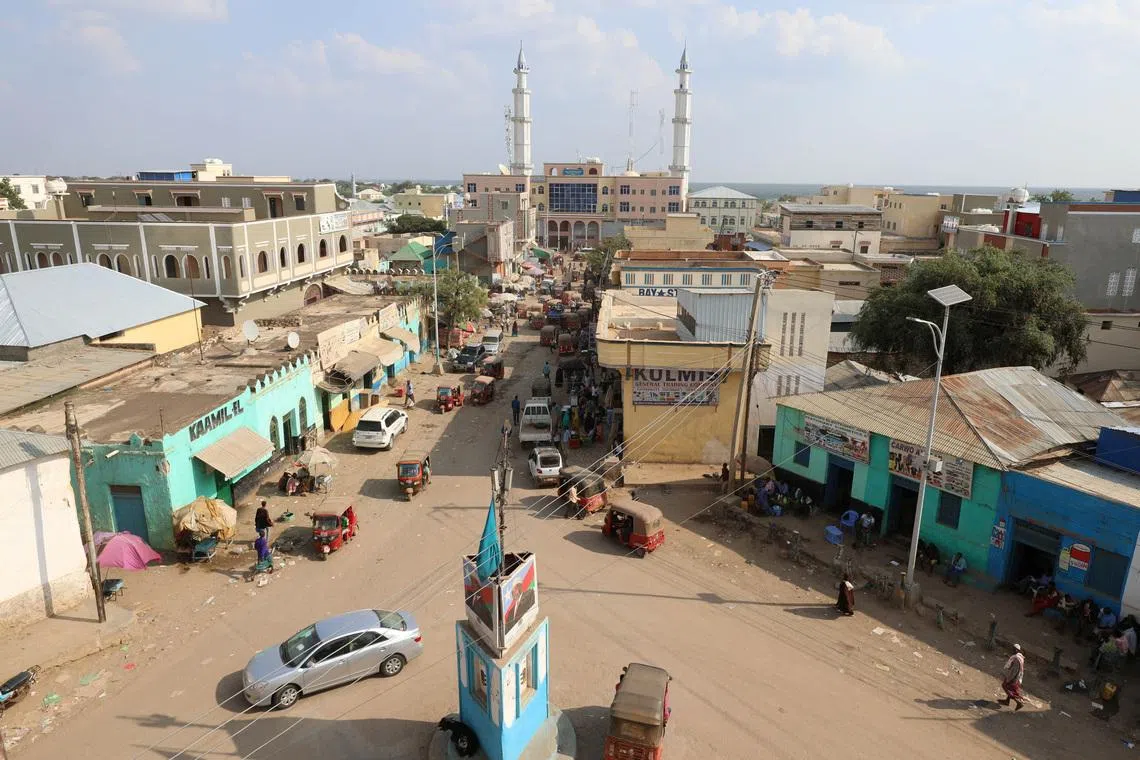
On the ground, however, the mood told a more complicated story. Local elder Adan Hussein described the city as calm but resembling a ghost town, its streets emptied by a week-long exodus of residents who had anticipated violence. Shopkeeper Hussein Abdullahi confirmed that federal troops were in full control of his neighbourhood. Aid agencies operating in the city — which sits at the intersection of drought, displacement, and chronic insecurity — suspended activities in the days preceding the takeover, fearing armed clashes between the national army and Southwest’s regional forces.
Baidoa is not only the political heart of Southwest state but also hosts international peacekeepers and a significant humanitarian presence. Its population has long been among the most vulnerable in the Horn of Africa, battered by successive droughts and years of conflict. The suspension of aid operations, even temporarily, risks compounding an already precarious situation for displaced communities in the surrounding region.
The roots of the crisis stretch back to a broader political rupture between Mogadishu and Southwest state over constitutional reforms. Laftagareen’s administration had been among the most vocal opponents of constitutional amendments championed by the federal government — changes widely described as deeply unpopular among regional leaders and opposition groups alike. Critics of the amendments argue they concentrate power in the hands of the federal presidency, a concern that has grown more acute with a national election due later this year.
Under Somalia’s electoral framework, voters are expected to choose members of parliament, who will then elect the country’s next president. Opposition figures and regional administrators have repeatedly warned that the incumbent federal leadership could manipulate the process to entrench its position. The constitutional dispute with Southwest state has sharpened those anxieties, casting a shadow over the credibility of the upcoming vote.
The standoff reflects a recurring fault line in Somali politics: the tension between a central government seeking to consolidate authority and regional administrations jealously guarding their autonomy under the country’s federal system. Disputes over the balance of power between Mogadishu and the regions have repeatedly destabilised Somalia’s fragile governance architecture, and analysts warn the latest episode is unlikely to be the last.
Somalia’s federal system was designed to accommodate the country’s clan-based political landscape and prevent a return to the centralised authoritarianism that contributed to state collapse in the early 1990s. But the system has struggled to define clear boundaries of authority, leaving federal-regional relations perpetually contested. The takeover of Baidoa marks one of the most dramatic federal interventions in a regional capital in recent memory, and its long-term implications for Somalia’s political stability remain deeply uncertain.
With the national election approaching and tensions between Mogadishu and at least some regional administrations unresolved, Somalia enters a critical period — one in which the ghost-town silence of Baidoa’s streets may prove to be less an ending than a pause.