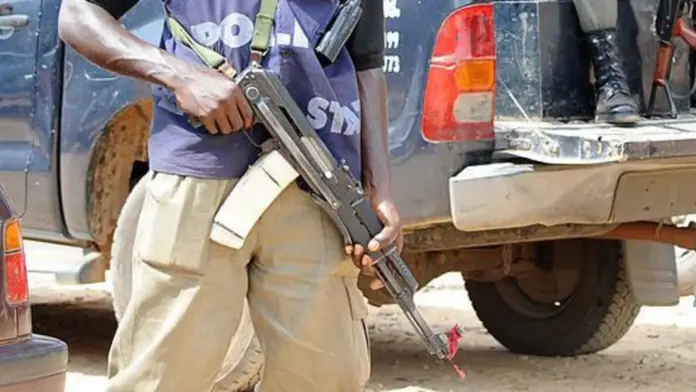
JOS, Nigeria — Gunmen opened fire on an open-air bar in the Gari Ya Waye community of Angwan Rukuba in Jos on Sunday, killing at least 26 people and setting off a wave of deadly revenge attacks that forced authorities to impose an emergency curfew across the city.
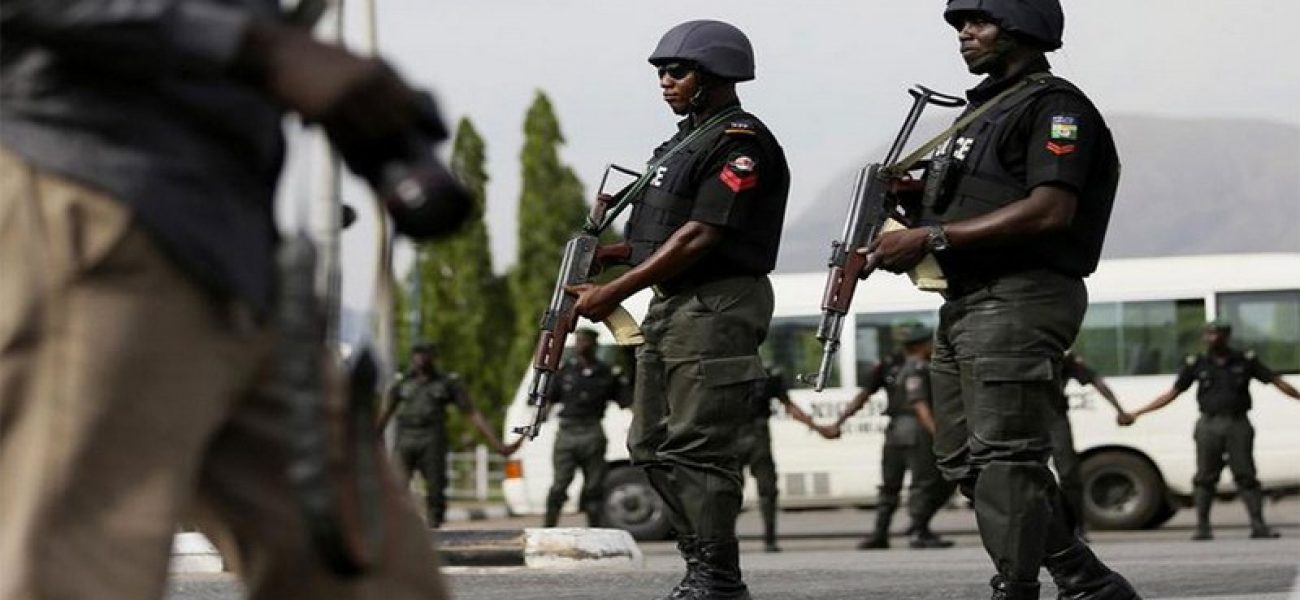
The assault, which struck without warning on the night of March 29, left scores of residents dead or wounded. Plateau State Governor Caleb Manasseh Mutfwang swiftly announced a 48-hour curfew covering Jos North Local Government Area, effective from midnight, ordering all residents to remain indoors until April 1, 2026. Security forces were deployed across affected neighbourhoods to enforce the order and prevent further bloodshed.
The governor described the killings as a ‘barbaric and unprovoked attack on innocent citizens’, vowing that the perpetrators would be identified and brought to justice. State Commissioner for Information and Communication Joyce Lohya Ramnap echoed that condemnation, urging residents to remain calm, stay vigilant, and cooperate with investigators by sharing any relevant information with security agencies.

The official death toll of 26 may not capture the full scale of the carnage. Paul Mancha, chairperson of the Plateau State youth council, said scores of bodies had been counted and that many more victims were receiving treatment in hospitals, suggesting the true number of casualties could be considerably higher than authorities have confirmed.
Local residents reported that threats had circulated on social media in the hours before the attack, raising questions about whether warning signs were missed or ignored. An investigation has been opened into the killings, and the Plateau State Government pledged to work in close coordination with security agencies to apprehend those responsible.
The violence also disrupted academic life in the city, forcing the University of Jos to suspend normal activities as the security situation deteriorated in surrounding areas.
Plateau state sits at the geographic heart of Nigeria and has long been regarded as one of the country’s most combustible flashpoints. Recurring violence there frequently pits Muslim herders against Christian farming communities, with disputes rooted in competition over land and access to water. The underlying tensions have proven resistant to resolution, and periodic outbreaks of mass violence have claimed thousands of lives over the past two decades.
The latest bloodshed arrives at a moment of acute security strain across Nigeria. The country’s north-east remains gripped by an Islamist insurgency, while the north-west and central belt are plagued by armed banditry and mass kidnappings. Security analysts warn that these overlapping crises have stretched the capacity of Nigerian security forces thin, leaving communities in volatile states like Plateau increasingly exposed.
Troops and additional security personnel were deployed to the affected areas in the immediate aftermath of Sunday’s attack, with patrols intensified across Jos North. The government assured the public that restoring order and ensuring accountability remained its top priorities, even as the curfew kept streets largely empty and the city braced for further unrest.