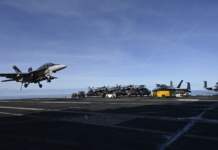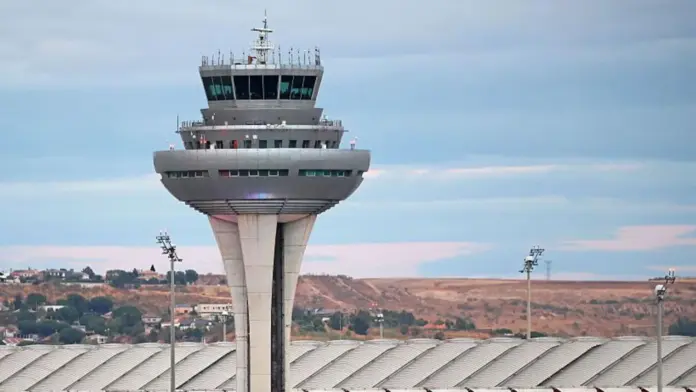
Spain has shut its airspace to United States military aircraft participating in the war on Iran and refused Washington access to two jointly operated bases on Spanish soil, in one of the most significant acts of allied defiance since the 2003 Iraq War.
Defence Minister Margarita Robles confirmed the measures to reporters on Monday, declaring that neither Spanish bases nor Spanish airspace were authorised for any actions connected to the conflict. ‘This war is profoundly illegal and profoundly unjust,’ Robles said, echoing language used repeatedly by the government of Prime Minister Pedro Sánchez, who has called the US-Israeli campaign against Iran reckless, illegal, unjustifiable, and dangerous.
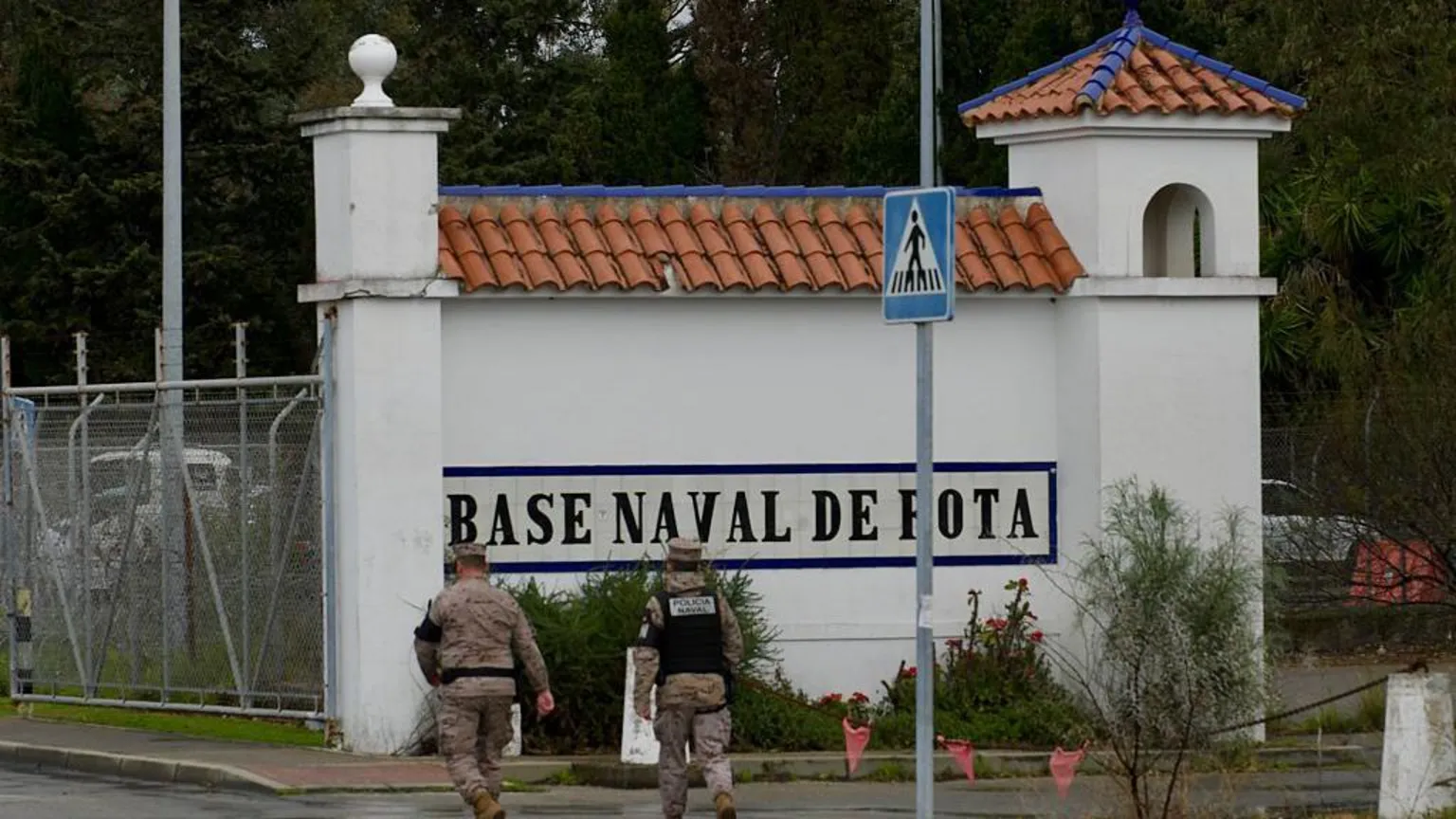
The two bases at the centre of the dispute — Morón de la Frontera and Rota, both located in the southern region of Andalusia — are jointly run by Spanish and American forces and have long served as critical logistics hubs for US operations across Europe, Africa, and the Middle East. Sánchez announced in March that Spain had already denied Washington use of the facilities, and that all flight plans connected to the Iran operation — including those of refuelling aircraft — had been rejected. Monday’s announcement formalises the airspace ban as a further escalation of that position.
Foreign Affairs Minister José Manuel Albares framed the decision in diplomatic terms, stating that Spain’s goal was to avoid encouraging further escalation in a war that has already sent shockwaves through global energy markets. The Strait of Hormuz — the narrow chokepoint between Iran and the tip of the Arabian Peninsula through which roughly 20 percent of the world’s oil supply normally flows — has been effectively closed for weeks amid threats from Iranian drones, missiles, and potentially mines. Oil prices have risen sharply as a result.
In a notable diplomatic signal, the Iranian embassy in Spain said Tehran would be receptive to requests from Madrid regarding transit through the Strait of Hormuz, citing Spain’s commitment to international law as the basis for that goodwill.
The practical consequences for US military logistics are significant. Some American bombers involved in operations against Iran are stationed at RAF Fairford in Gloucestershire, England, after UK Prime Minister Sir Keir Starmer agreed on 1 March to Washington’s request to use the base. With Spain’s airspace now closed to those aircraft, US planes departing from Fairford will be forced to reroute over the eastern Atlantic or through French airspace, bypassing much of the Iberian Peninsula. Emergency landings at Spanish facilities remain the only exception permitted under the new rules.

A White House official stated that the US military was meeting or surpassing all goals under Operation Epic Fury, the name given to the campaign against Iran, suggesting Washington views the Spanish restrictions as a manageable obstacle rather than a strategic setback.
The friction between Madrid and Washington predates the current conflict. President Donald Trump threatened to impose a full trade embargo on Spain after it first denied use of the Rota and Morón bases — a warning that follows earlier US pressure on Spain over defence spending. While other NATO members agreed to spend 5 percent of GDP on defence following Trump’s demands, Spain’s government maintained it could meet its military commitments at 2.1 percent of GDP. NATO, which counts 32 member nations, declined to comment on Spain’s decision, referring questions to national authorities.
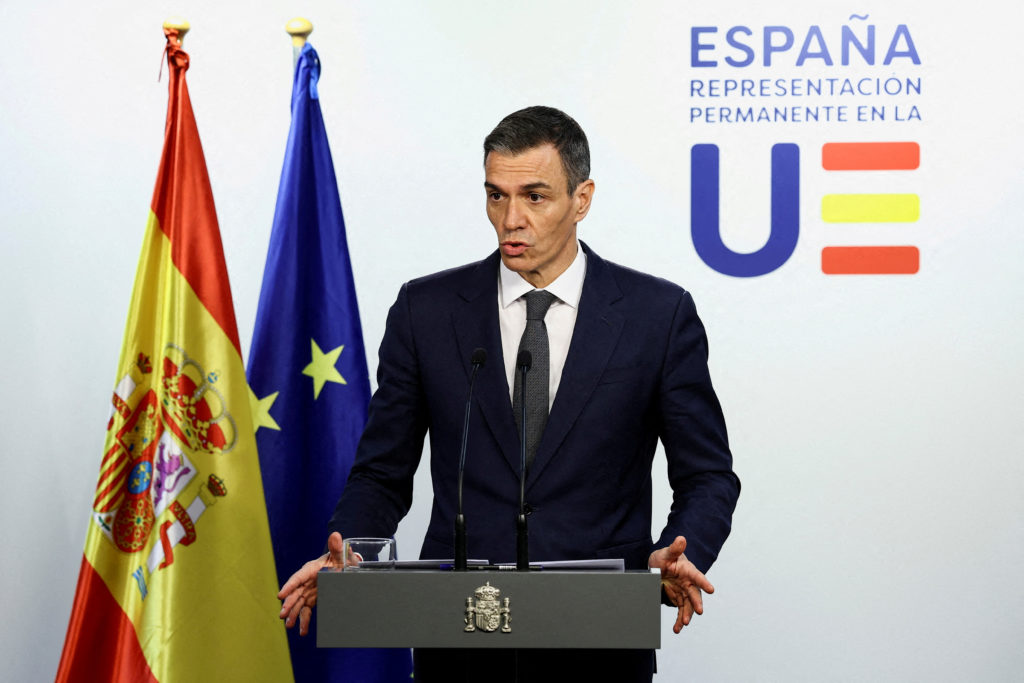
Sánchez, widely regarded as one of Europe’s most prominent left-wing leaders and a persistent critic of Israeli military conduct in Gaza, gave a 10-minute televised address on 4 March in which he reflected on the wars in Ukraine, Gaza, and Iraq. ‘You cannot respond to one illegality with another,’ he said, ‘because that is how humanity’s great disasters begin.’ He called on the United States, Israel, and Iran to bring the war to an end.
Spain’s stance carries historical echoes. In 1986, France and Italy blocked US aircraft from using their airspace during an operation targeting Libyan leader Moammar Gadhafi. In 2003, Turkey refused to allow American troops to use its territory as a staging ground for the invasion of Iraq, though it permitted overflights. France and Germany opposed that war outright, yet both ultimately allowed US and British jets to transit their airspace — a distinction that France’s then-Foreign Minister Dominique de Villepin acknowledged when he told the French Parliament that certain practices between allies, including overflight rights, must be respected. Spain under Sánchez has drawn a harder line.