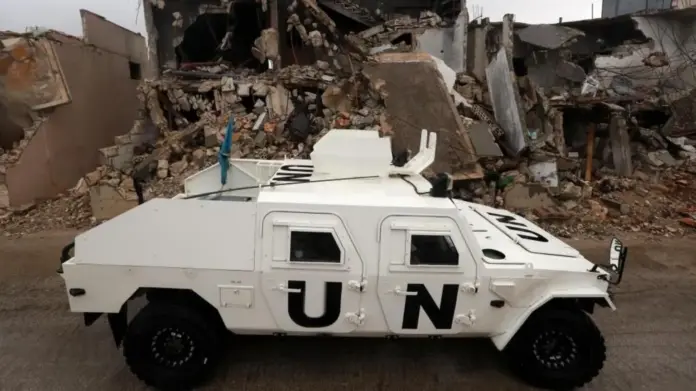
SOUTHERN LEBANON — At least three United Nations peacekeepers were killed and several others wounded in southern Lebanon within a single 24-hour span, as Israel pressed forward with an intensified ground and air campaign against Hezbollah that has left the fragile region in renewed crisis.
The deadliest incident occurred Monday when an explosion of unknown origin destroyed a vehicle carrying UN peacekeepers near the southern Lebanese village of Bani Hayyan, killing two soldiers and severely wounding a third. A fourth peacekeeper sustained injuries in the same blast. Hours earlier, on Sunday night, a single peacekeeper was killed when a projectile struck a UNIFIL position near the village of Aadshit al-Qusayr. Three other Indonesian soldiers were wounded in that attack, which Indonesia’s Ministry of Foreign Affairs described as indirect artillery fire.
All three fatalities were Indonesian nationals. The soldier killed Sunday was identified as Chief Private Farizal Rhomadhon. Despite the losses, Indonesian Defense Forces official Major General Aulia Dwi Nasrullah reaffirmed Jakarta’s commitment to the peacekeeping mission, signalling that Indonesia would not withdraw its contingent from the volatile theatre.
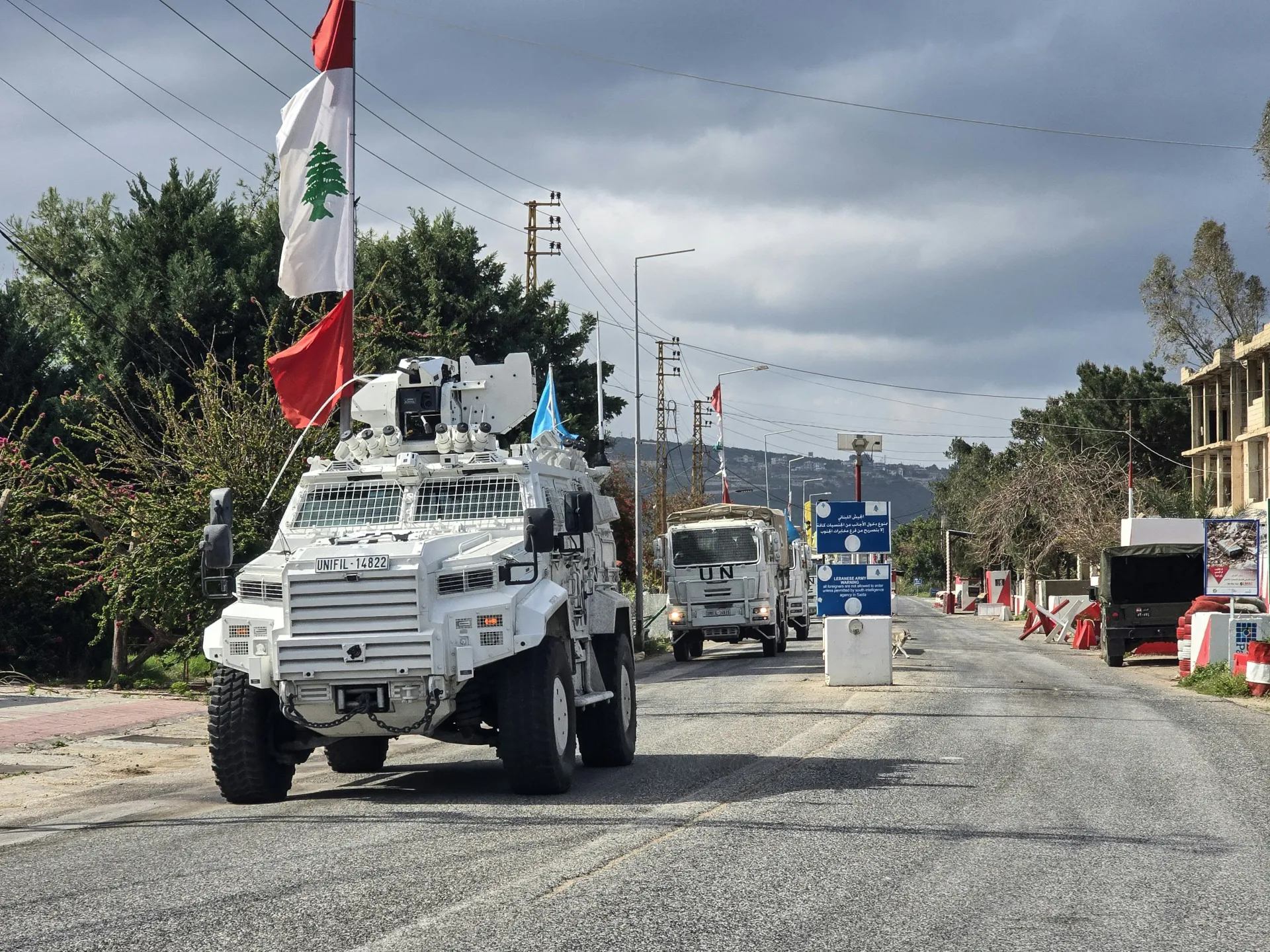
UNIFIL launched investigations into both incidents and stressed that deliberate attacks on peacekeepers constitute grave violations of international humanitarian law. Under international law, all parties to a conflict carry an obligation to protect UN personnel. The Israeli Defense Forces said both incidents were being thoroughly reviewed to determine whether they resulted from IDF or Hezbollah activity, noting that the events took place in an active combat zone.
The killings prompted swift and forceful diplomatic responses. France requested an emergency session of the UN Security Council on Monday, and French Foreign Minister Jean-Noël Barrot condemned the attacks as ‘unacceptable and unjustifiable.’ Spanish Prime Minister Pedro Sánchez declared that ‘a new red line was crossed’ following the first fatal incident. UN Secretary-General António Guterres, through spokesperson Stéphane Dujarric, called on all parties to abide by international law and guarantee the security of UN personnel.
The deaths come as Israel has dramatically escalated its military operations across Lebanon. Tel Aviv launched intensified strikes in early March and has since expanded its ground invasion of the south, announcing plans to further step up both ground and air assaults against Hezbollah. Israel says the campaign is designed to secure communities in its north, and accuses UNIFIL and the Lebanese army of failing to remove Hezbollah militants from the region as required under the terms of a ceasefire brokered in November 2024.
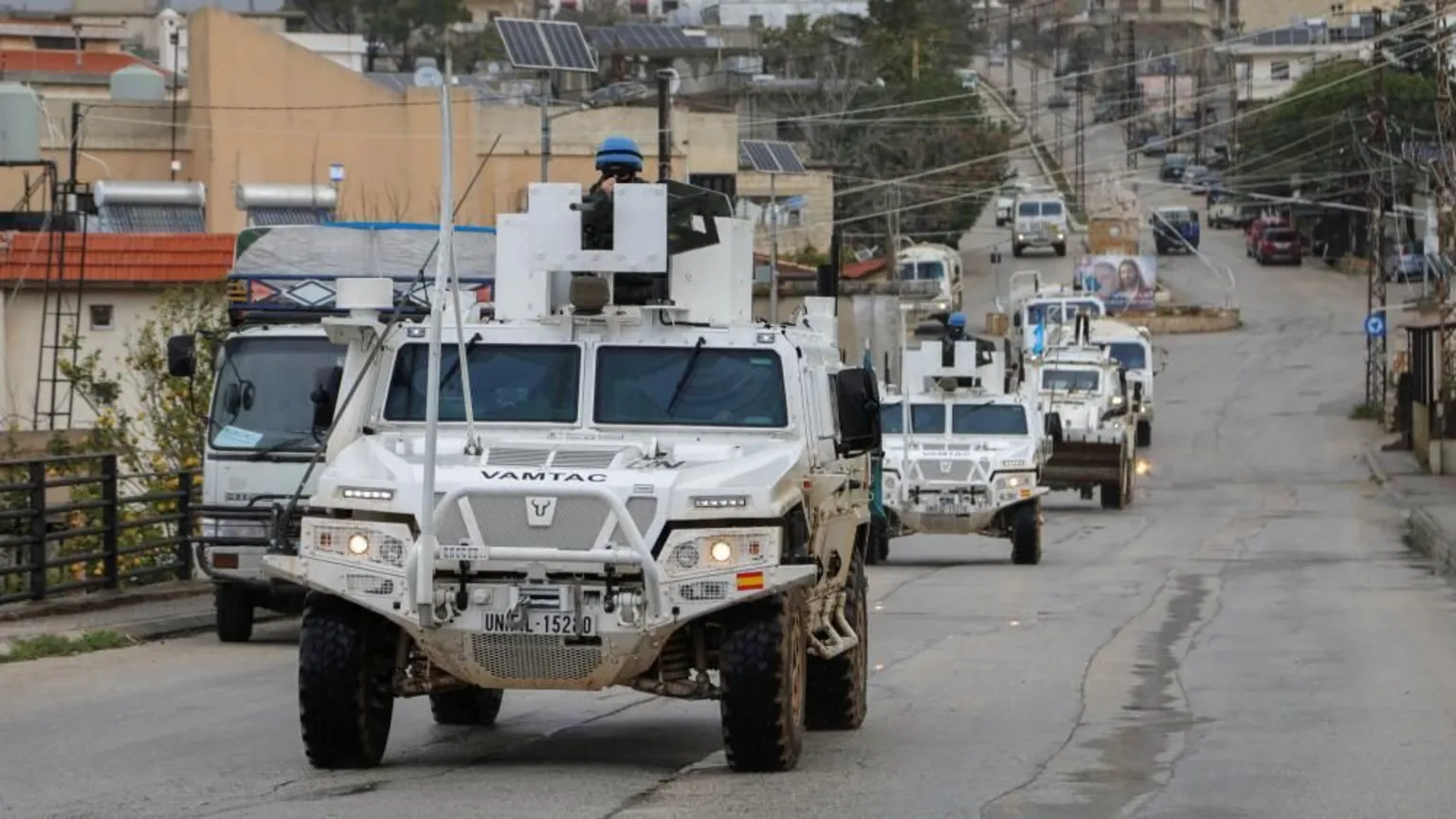
That agreement was meant to end a surge of violence tied to the war in Gaza, with Hezbollah obligated to disarm and withdraw from positions in southern Lebanon. Instead, Israel has conducted near-daily strikes on Hezbollah targets since the deal was signed, while Hezbollah — the Iranian-backed militia and political party — has fired rockets into northern Israel in retaliation for US-Israeli strikes on Iran, which began on February 28. The cycle of violence has rendered the ceasefire largely nominal.
The human toll inside Lebanon has been severe. The Lebanese Health Ministry reports that more than 1,200 people have been killed since the ceasefire took effect, including at least 124 children. More than 1.2 million people have been displaced from their homes across the country. On Monday, a Lebanese soldier was also killed when an Israeli strike hit a clearly marked military checkpoint in the south.
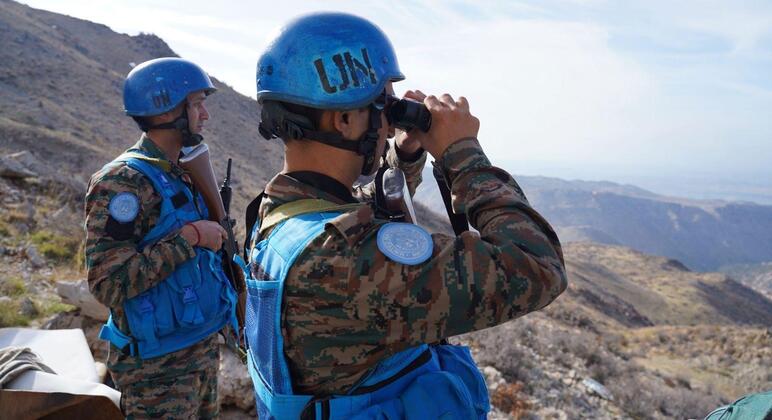
UNIFIL peacekeepers have not been spared. Earlier this month, four Ghanaian soldiers serving with the mission were injured when their base came under fire, prompting a formal protest from Ghanaian Foreign Minister Samuel Okudzeto Ablakwa. The string of incidents against the UN force has raised urgent questions about the viability of the mission and the protection afforded to its personnel.
Established by the UN Security Council in 1978, UNIFIL was created to serve as a buffer between Israel and Lebanon, with peacekeepers patrolling the Blue Line — the de facto border separating the two countries. Since its founding, approximately 339 peacekeepers have lost their lives in the mission. This week’s deaths represent among the most concentrated losses the force has suffered in a single period, underscoring how dramatically conditions on the ground have deteriorated as Israel’s military campaign shows no sign of abating.