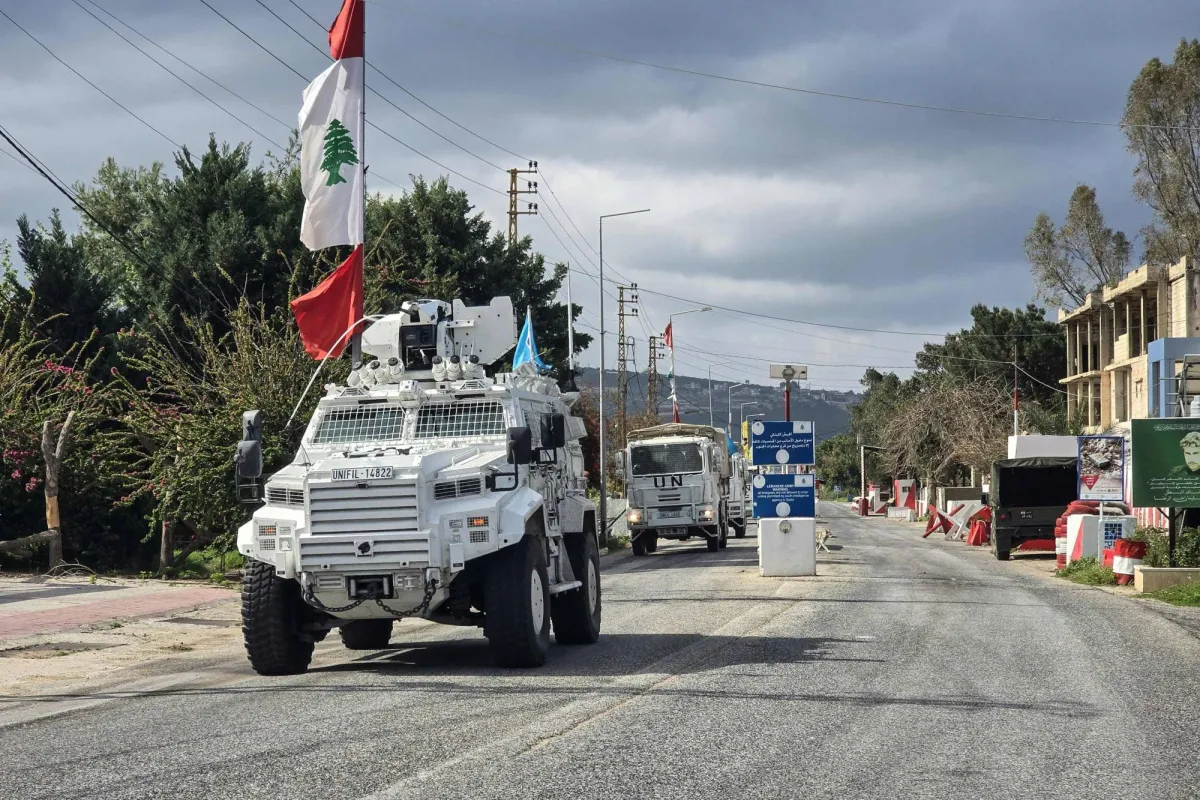
SOUTHERN LEBANON — An Indonesian soldier serving with the United Nations peacekeeping force in Lebanon was killed Sunday night when a projectile struck a UNIFIL position near the southern Lebanese town of Adchit al-Qusayr, as Israel’s expanding ground offensive pushes deeper into the country and strikes resume on the outskirts of Beirut.
Indonesia’s foreign ministry confirmed that one of its peacekeepers died and three others were wounded as a result of indirect artillery fire near the contingent’s position. A second peacekeeper was critically injured in the same incident. UNIFIL said it has launched an investigation to determine the origin of the projectile, stating it currently has no information on where the fire came from.
Jakarta swiftly condemned the attack. The Indonesian foreign ministry described any harm to UN peacekeepers as unacceptable and reiterated its broader condemnation of Israeli military operations in southern Lebanon. Indonesia said it is coordinating with UNIFIL to arrange the repatriation of the fallen soldier and to secure medical treatment for the wounded.
UN Secretary-General Antonio Guterres called on all parties to uphold their obligations under international law and to guarantee the safety of UN personnel operating in the conflict zone.
The killing of the Indonesian peacekeeper is not an isolated incident. On March 6, the headquarters of Ghana‘s UN peacekeeping battalion in Lebanon was struck by missile fire, critically injuring two Ghanaian soldiers. The Israeli military subsequently acknowledged that its tank fire had hit the position, saying its troops were responding to anti-tank missile fire from Hezbollah that had wounded two Israeli soldiers. Three additional Ghanaian soldiers were wounded by gunfire in a border town on March 7. UNIFIL has now reported multiple strikes on its positions since fighting resumed on March 2.
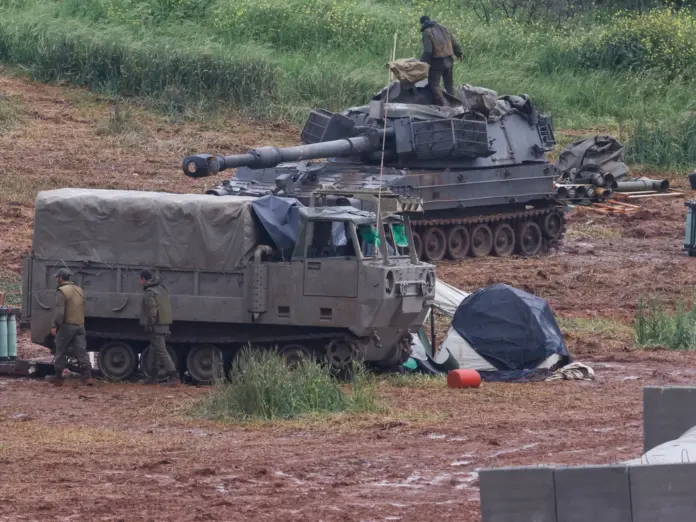
Israel’s military offensive, which began after Hezbollah fired rockets into Israel on March 2 in solidarity with Tehran — two days after Israel and the United States struck Iran — has rapidly escalated from limited incursions into a broad ground campaign. Israeli forces have advanced into several areas across southern Lebanon, moving along the western coastal highway and pushing to approximately 8 kilometres south of Tyre. Israeli officials have stated their objective is to establish a security zone extending 30 kilometres from the Israeli border, with troops aiming to seize territory up to the Litani River.
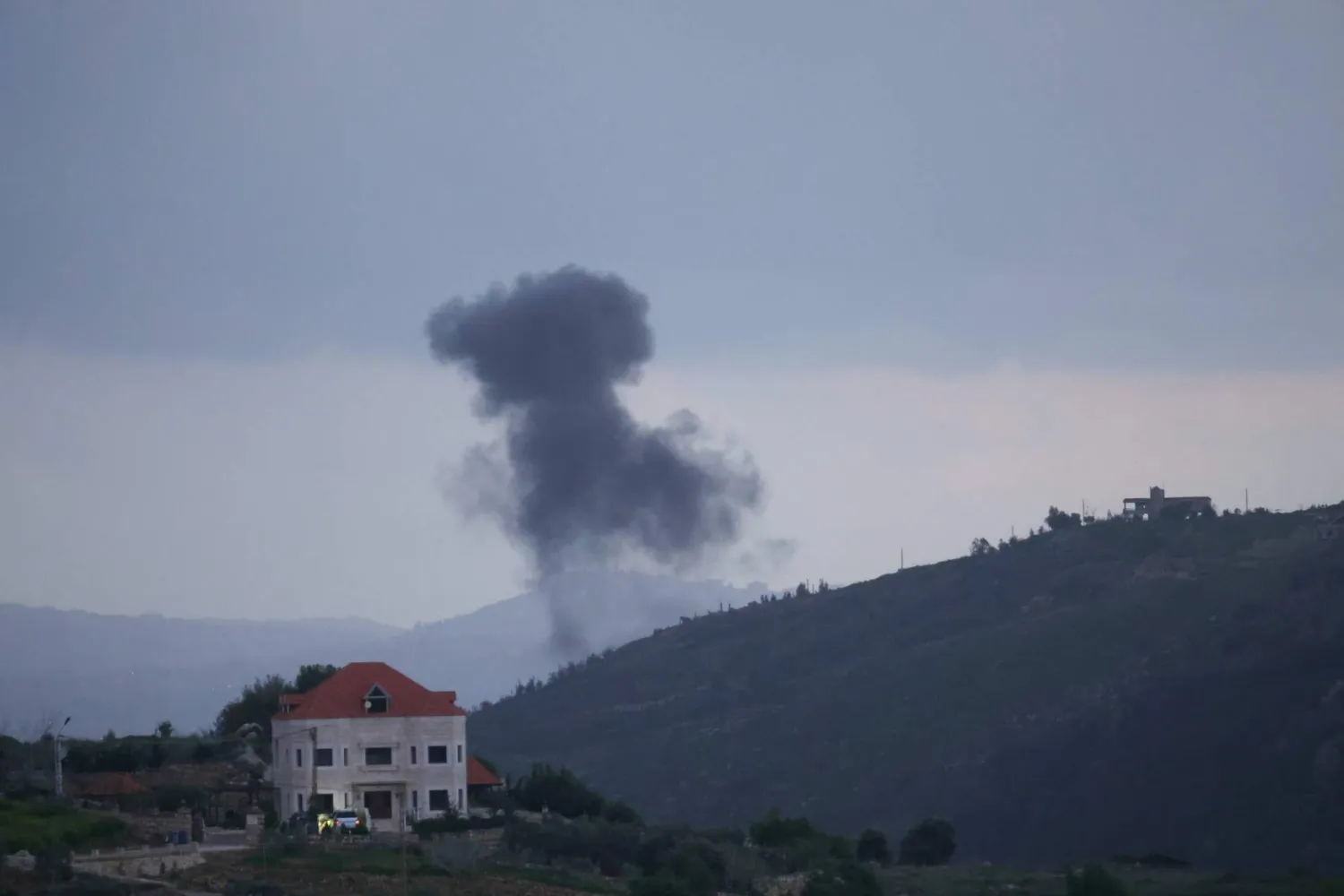
On Monday, Israeli forces struck Beirut‘s southern suburbs for the first time since Friday, with the military issuing warnings of further attacks on seven suburban districts, including Haret Hreik, Ghobeiry, Laylaki, Haddath, and Burj al-Barajneh. The military claimed to be targeting Hezbollah military infrastructure in those areas. Six Israeli soldiers were reported injured in three separate incidents on Monday, three of them seriously.
The renewed conflict has triggered a severe humanitarian crisis. More than 1.2 million people have been displaced from their homes since the beginning of March, according to the United Nations. Israel’s military has issued mass forced displacement orders for residents across southern Lebanon and multiple Beirut suburbs while conducting simultaneous aerial and ground operations.
The violence represents a dramatic collapse of the ceasefire that came into effect in November 2024. Despite near-daily Israeli violations of that agreement, Hezbollah had refrained from retaliating — until the assassination of Iranian Supreme Leader Ayatollah Ali Khamenei on February 28 prompted the group to fire rockets into Israel on March 2, triggering the current Israeli offensive.
UNIFIL, which has been deployed in southern Lebanon to monitor the demarcation line with Israel, has repeatedly found itself caught in crossfire between the two sides over recent years. The force’s mandate is currently set to expire at the end of 2026. With peacekeepers now being killed and wounded in an accelerating conflict, pressure is mounting on all parties to halt attacks on UN personnel — though so far, neither side has shown signs of restraint.